
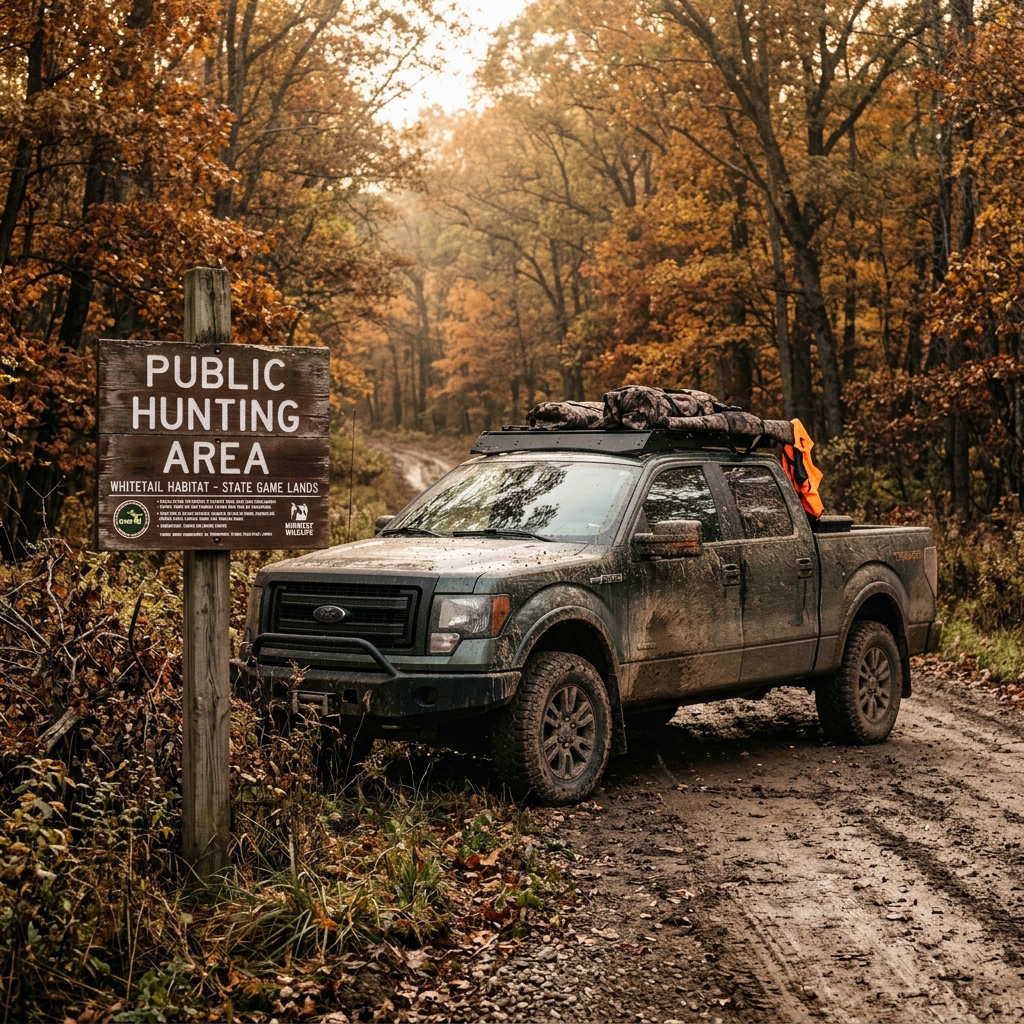
The Best Over-the-Counter (OTC) Whitetail States Worth Traveling To
Plan a DIY OTC whitetail trip: top states, realistic tag costs, public-land pressure tactics, CWD transport rules, and travel checklists Practical tips for.
Preference points and decade-long draws stop a lot of hunters from ever leaving home. Over-the-counter (OTC) tags change that. Buy the license, plan the route, and hunt public ground without waiting on a lottery email.
“Best” still depends on what you want—trophy odds, deer density, solitude, or an early opener. This guide covers standout OTC whitetail destinations, realistic costs, how to beat pressure, and the logistics that make or break a DIY trip.
Always verify current regulations, unit boundaries, and tag quotas before you spend money. Rules change.
What OTC Really Means for Non-Residents
OTC generally means you can purchase a deer privilege without entering a limited draw for that specific tag. Some states still require habitat stamps, permission systems for walk-in areas, or unit-specific restrictions. “OTC” is not “hunt anywhere with no homework.”
Build your trip around:
- Legal weapon seasons that match your schedule
- Public or walk-in access you can actually reach
- Lodging or truck-camping plans
- Meat care and interstate transport rules
For a full DIY framework, pair this article with DIY out-of-state whitetail hunts.
Ohio: Trophy Structure With Public Grind
Ohio’s one-buck framework and strong ag/timber mix produce legitimate mature bucks. Southeast public tracts (including Wayne National Forest country) reward hunters willing to climb and cover ground.
Pros: Genuine OTC access, strong age structure potential, diverse habitat.
Cons: Steep terrain, pressure near easy parking, physical hunts.
Hunt midweek, leave the roadside oaks to the crowd, and push into nastier benches and thickets. Saddle or lightweight hang-on setups shine here.
Wisconsin: Record History and Big Woods Reality
Wisconsin’s record-book history is real. So is the big-woods grind in the north: lower densities, long sits, and days without a sighting—followed by a deer that makes the drive worthwhile.
Pros: Huge public footprints (county forests, state lands, industrial forests where open), deep archery culture.
Cons: Pressure near towns; big timber requires navigation skill and patience.
Bring GPS layers, mark swamps and clearcut edges, and treat still-hunting as a real option when stands go cold—see still-hunting and spot-and-stalk.
Nebraska: Glassing, Walk-In Access, Early Openers
Nebraska offers a different visual game: longer sight lines, Open Fields and Waters / PLOTS-style access in many areas, and early archery opportunities when bucks may still be patternable.
Pros: Access programs, spot-and-stalk potential, earlier seasons in some units.
Cons: Tree cover can be limited out west; ground blinds matter. Confirm mule deer vs whitetail rules by unit.
Eastern river bottoms and western breaks hunt like different states—scout the habitat you actually booked lodging near.
Other OTC-Friendly Options Worth Researching
Depending on year and weapon, hunters also look hard at states such as Kentucky, Missouri, Indiana, and parts of the Southeast for OTC or OTC-like access. Trophy ceilings and public quality vary widely. Run the same filter every time: tag availability, public acreage quality, season dates, and travel cost vs expected experience.
Do not chase internet rumors of “secret” units without reading the current regs PDF yourself.
Budget: Tags, Hidden Fees, and Trip Math
Expect roughly $200–$600 for non-resident deer privileges depending on state and weapon, before stamps.
Illustrative ballparks (verify current pricing):
- Ohio: often around the mid-two-hundreds for license + deer permit bundles
- Wisconsin: archery packages can be comparatively lower for some first-time buyers
- Nebraska: deer permit plus habitat/stamp fees commonly land in the high two-hundreds
Hidden costs: habitat stamps, park permits, boat launch fees, and tags that must arrive by mail before opening day. Build a buffer for fuel, ice, and an extra motel night if you punch a tag late.
Beating OTC Public-Land Pressure
If you can buy a tag tomorrow, so can thousands of others.
The one-mile rule. Most hunters never leave easy trails. Pack light, walk farther, hunt nastier cover.
Water access. Kayaks, jon boats, and waders unlock landlocked timber. See kayak and canoe access hunting.
Midweek hunts. Weekend armies arrive Friday and leave Sunday. Tuesday–Thursday is a different forest.
E-scout first. Mark parking density, trail webs, and ignored thickets before you burn vacation days—e-scouting whitetails.
Sanctuary mindset. Find places deer go when pressure spikes: swamps, blowdowns, steep ditches, and micro-thickets 80 yards off the main logging road.
Logistics Checklist Before You Tow Out
- Confirm season dates and legal shooting hours for your weapon.
- Buy tags/stamps early enough for shipping if required.
- Download offline maps; cell service will fail.
- Pack meat care: bags, knives, game bags, cooler capacity, ice plan.
- Know CWD carcass transport rules for the return drive.
- Tell someone your hunting plan and check-in time.
- Bring a backup area if your primary parking lot is full at dawn.
Meat Care on the Road
OTC success means nothing if meat spoils in a warm truck bed. Quarter early, keep meat out of meltwater, and freeze or refrigerate as soon as you hit civilization. Review meat spoilage limits before a long haul home.
How to Choose a Unit Once You Pick a State
Statewide reputation means little if you camp in the wrong county. Overlay public access layers with ag productivity, deer density maps from the agency, and topo relief. Ask: Can I get a mile off the road? Is there water access? Are there sanctuaries (swamps, steep timber) when Saturday pressure hits?
Call regional biologists with specific questions—not “where are the big bucks?” Ask about CWD zones, recent harvest trends, and whether OTC pressure has shifted deer nocturnal on famous WMAs. Then build three hunting areas within a 45-minute drive so a full parking lot does not end your day.
Scout digitally for a month, then spend day one of the trip walking, not sitting. Confirm sign, wind options, and exit routes. Day two begins the real hunt.
Sample Seven-Day OTC Itinerary
- Day 0: Travel, buy ice, confirm regs packet in camp
- Day 1: Boots scouting, hang 1–2 sets, still-hunt evenings
- Days 2–3: Hunt best wind mornings/evenings; midday nap or glass
- Day 4: Relocate if sign is stale; try water-access pocket
- Days 5–6: Weather-window sits on food or funnels
- Day 7: Flex day for tracking, packing meat, or one last sit
Build buffer for a long blood trail. Punching a tag at dark on day six with a twelve-hour drive home and no meat plan is how good hunts become wasted venison.
Camp and Meat Logistics
Truck camping works if you manage condensation and cold. A budget motel with a bathtub ice system has saved more DIY meat than fancy lodges. Pack game bags, a sharp boning knife, latex gloves, and a printed CWD rules sheet for the states you cross. Know the nearest processor who takes walk-ins—and their hours—before you need them.
Physical Prep for OTC Public Dirt
OTC dream trips die on day two when legs and lungs quit. Train with a weighted pack on hills before you go. Practice hanging a stand quietly alone. Shoot your weapon accurately after a hike, not only from a bench rest. Public giants live where casual travelers will not sweat.
Pack blister kits, rain layers, and a realistic daily mileage plan. A five-mile swamp push is useless if you cannot hunt hard the next morning. Include hip mobility and core work so saddle or hang-on sits do not destroy you after the approach. Test your pack stove, water filter, and sleep system on a local overnight before the license money is spent. DIY travel hunting is a fitness sport that happens to include deer.
Tag Math vs Trip Math
A cheap tag with a 12-hour drive, motel nights, and low deer density can cost more per encounter than a pricier tag closer to better public access. Build a simple spreadsheet: fuel, tags, food, lodging, ice, and processor fees. Decide what success means before you leave—meat, encounter rate, or antler potential—and pick the state that matches that definition. Instagram maps optimize for antlers; your calendar and wallet may need density and access instead.
Frequently Asked Questions
Can I shoot a mule deer on an OTC tag? Sometimes in western states when the permit is “any deer,” but many units protect mule deer specifically. Read the GMU fine print every year.
Is baiting legal on OTC public land? Often illegal on public land in top Midwest destinations. Assume natural hunting unless regs explicitly allow it—and even then, ethics and CWD rules may argue against it.
How do I transport meat across state lines? CWD rules commonly ban whole carcasses with brain/spine. Debone or quarter as required; clean skull plates of tissue when bringing antlers home.
How many days should I book? Five to seven hunting days gives weather buffers. Three-day weekends are mostly pressure tourism unless you live close.
Do I need permission for walk-in private access programs? Follow the program’s signs and rules; some require permission slips or have weapon restrictions. “Open” does not mean “do anything.”
What weapon is best for a first OTC trip? Hunt the weapon you shoot best under stress. Archery offers longer seasons and less opening-day chaos; firearms weeks are shorter and louder.
Stop waiting on a draw miracle. Pick a state that matches your fitness and goals, buy the OTC tag, and earn your deer the hard way—on public dirt with a map and a pack.
Wildsnap • Open beta
Join Wildsnap and try the beta
In the open beta, you turn trail-cam data into actionable insights—free, fast, and simple.
No credit card