
8 min read
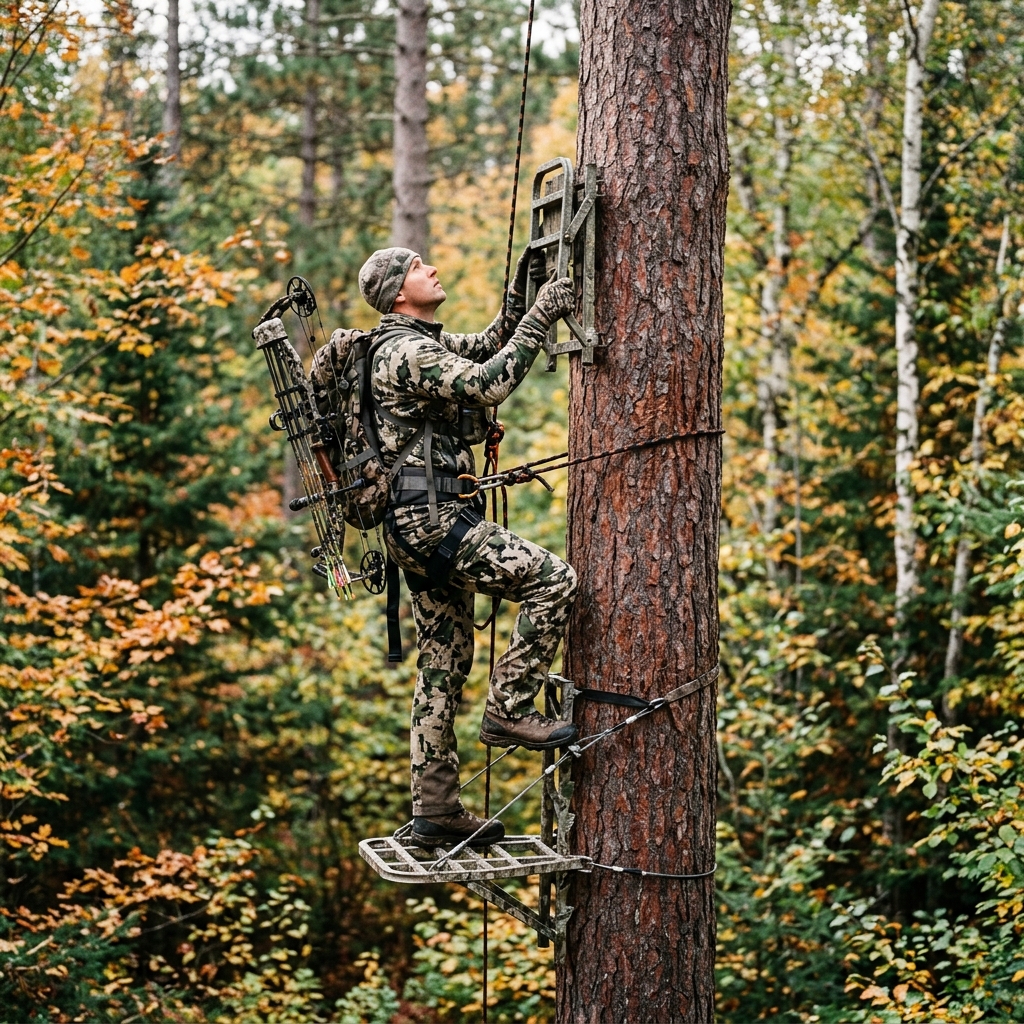
Using a Climbing Tree Stand: Safety and Ascending Techniques
Learn how to use a climbing tree stand safely—tree selection, inchworm ascent, connector straps, haul lines, and descent tips for public land.
Read our latest articles on wildlife analytics, hunting tips, and nature conservation.
Learn how to use a climbing tree stand safely—tree selection, inchworm ascent, connector straps, haul lines, and descent tips for public land.
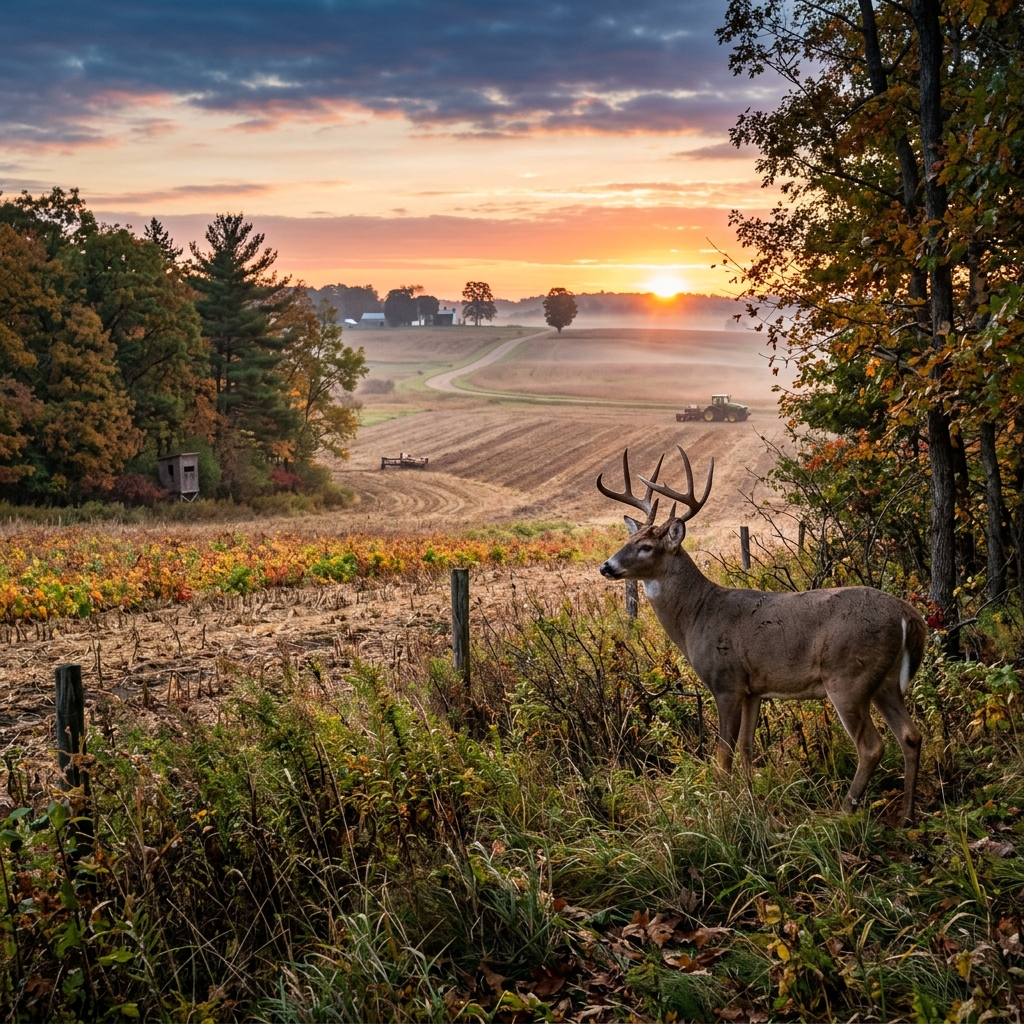
Learn how agricultural hunting leases work—typical costs per acre, how to find farm ground, contract must-haves, and how to keep landowners happy.
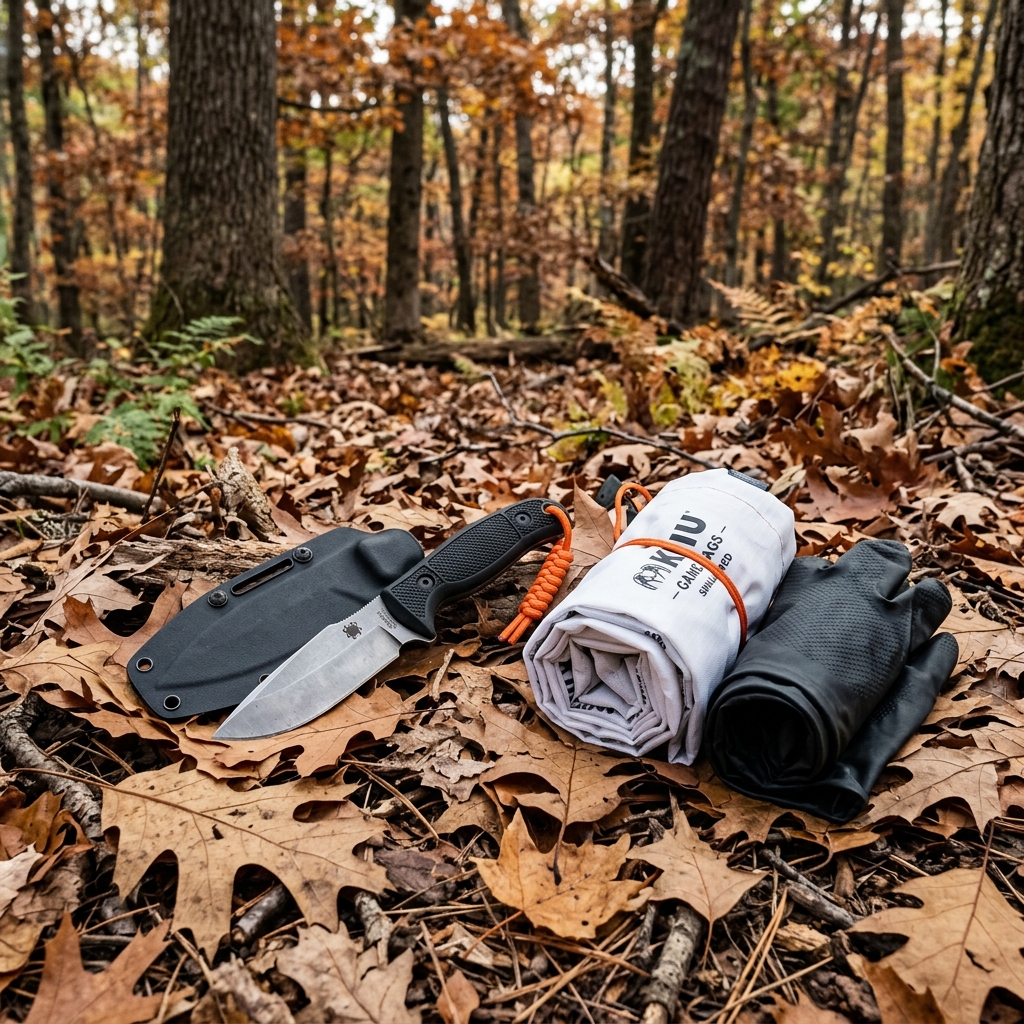
Build a 2-pound kill kit that lives in your pack: blades, game bags, gloves, tags, and trauma gear so field dressing stays safe when the buck is down.
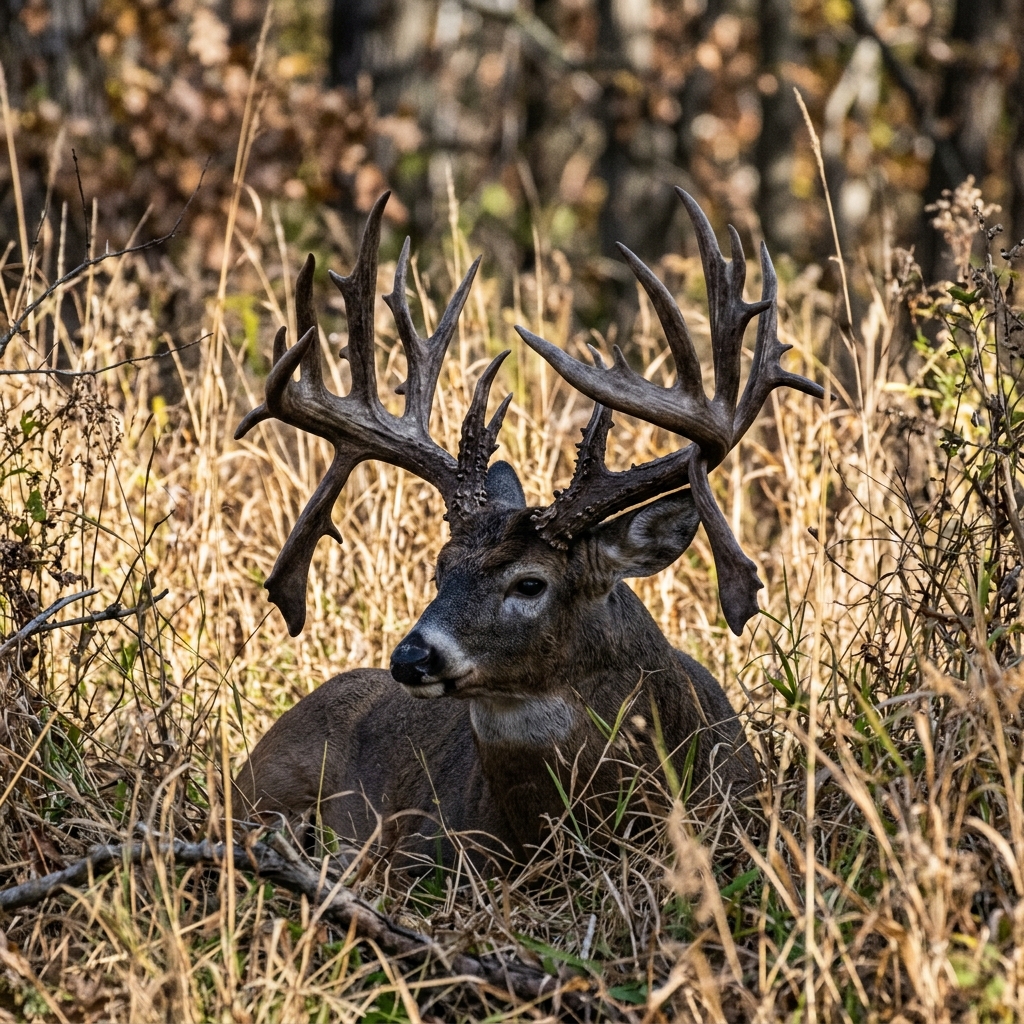
What causes drop tines and non-typical racks? Learn genetics, pedicle stress, injury effects, and how hunters score and evaluate character bucks.
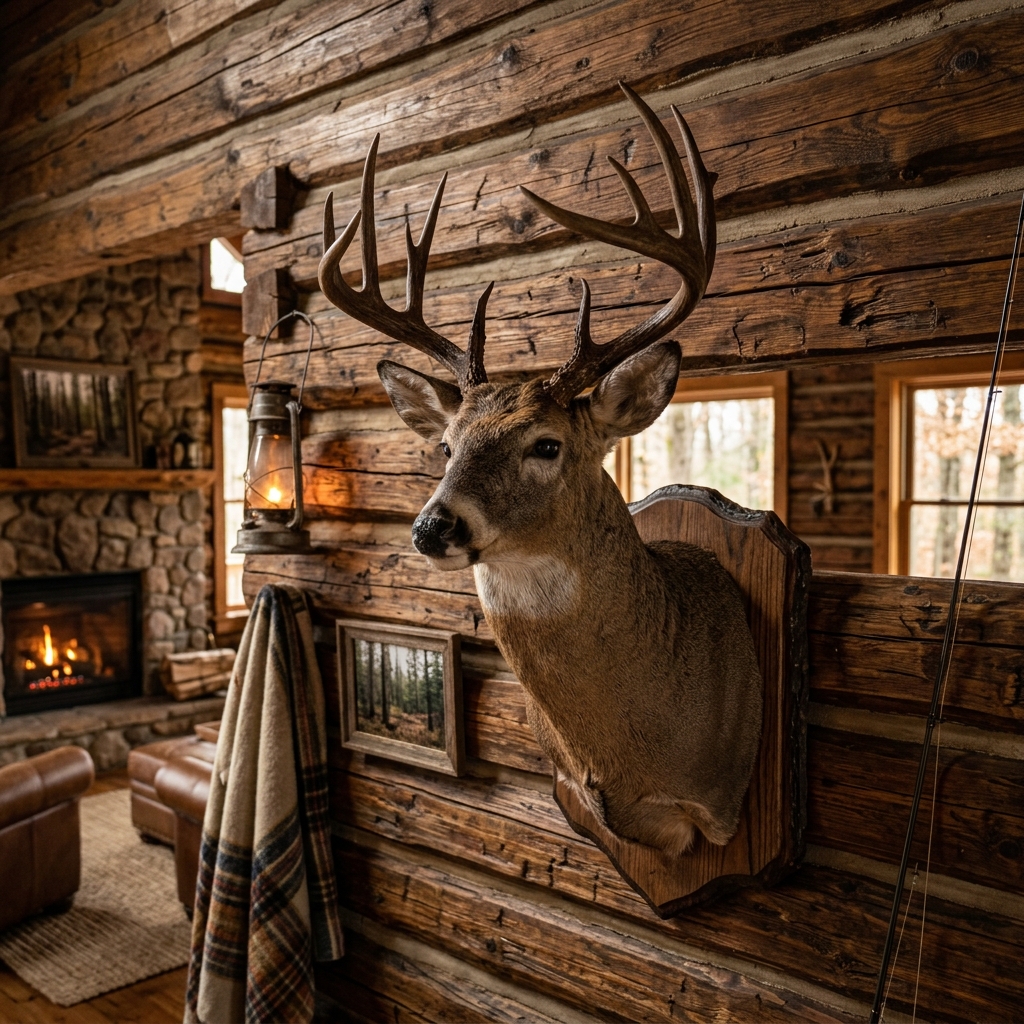
Choose the right taxidermy pose for your whitetail. Compare upright, semi-sneak, and full-sneak mounts, ear positions, room fit, and antler display tips.
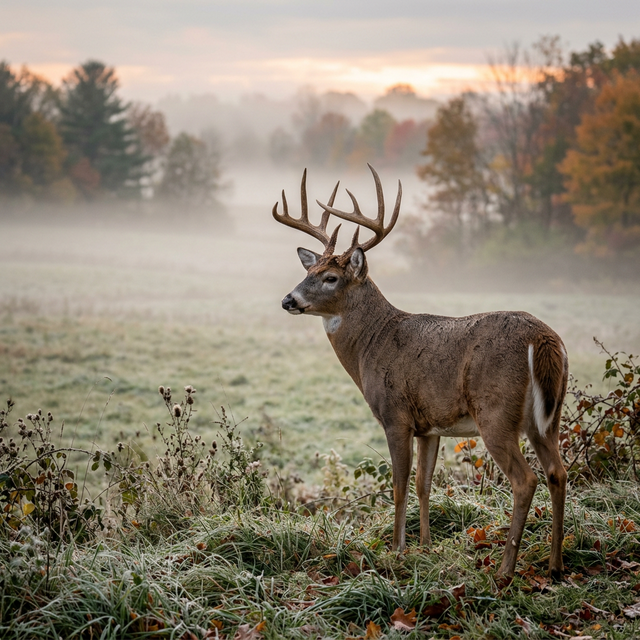
When November hits 80°F, deer go nocturnal. Hunt north slopes, shaded water, and bedding edges—and cool meat fast to stop bone sour in the heat.
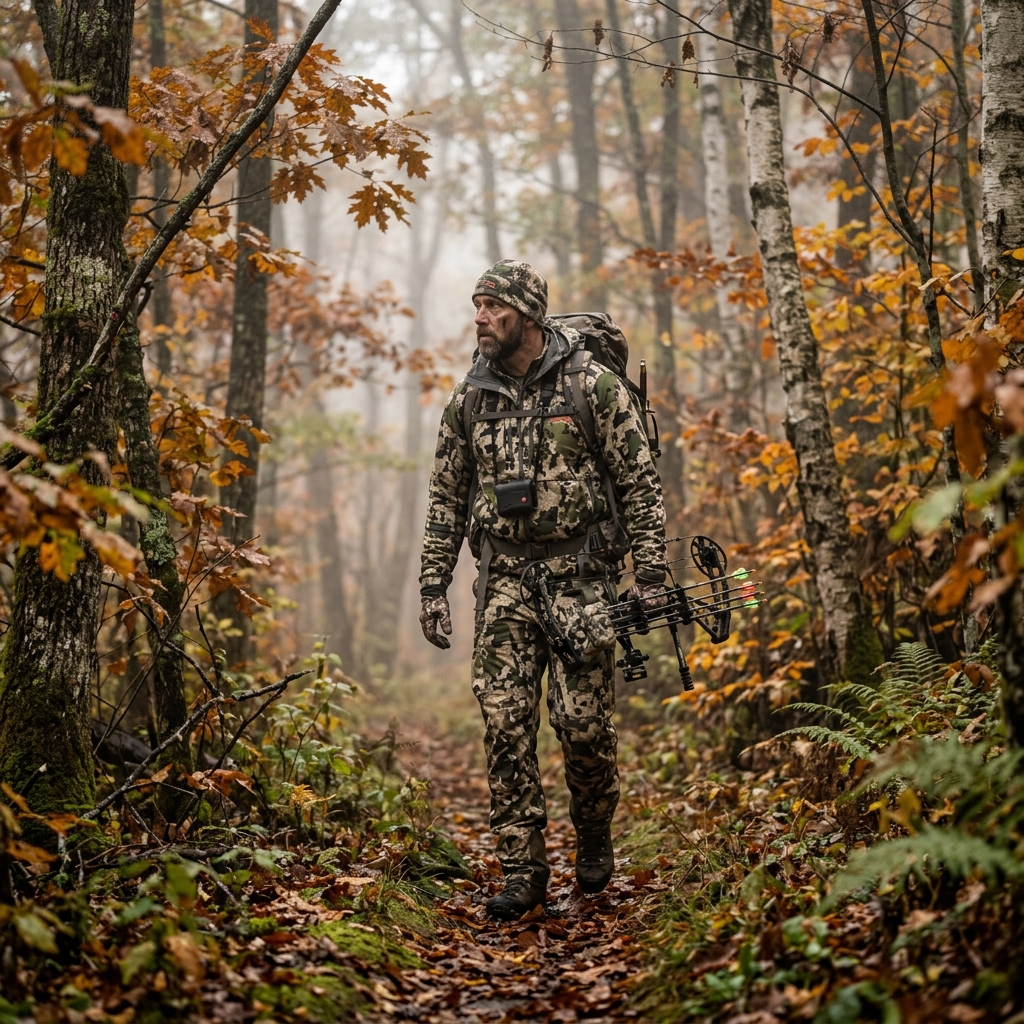
Human pressure follows a weekly cycle. Learn why midweek public-land hunts outproduce Saturdays and how to use weekend crowds as strategic beaters.
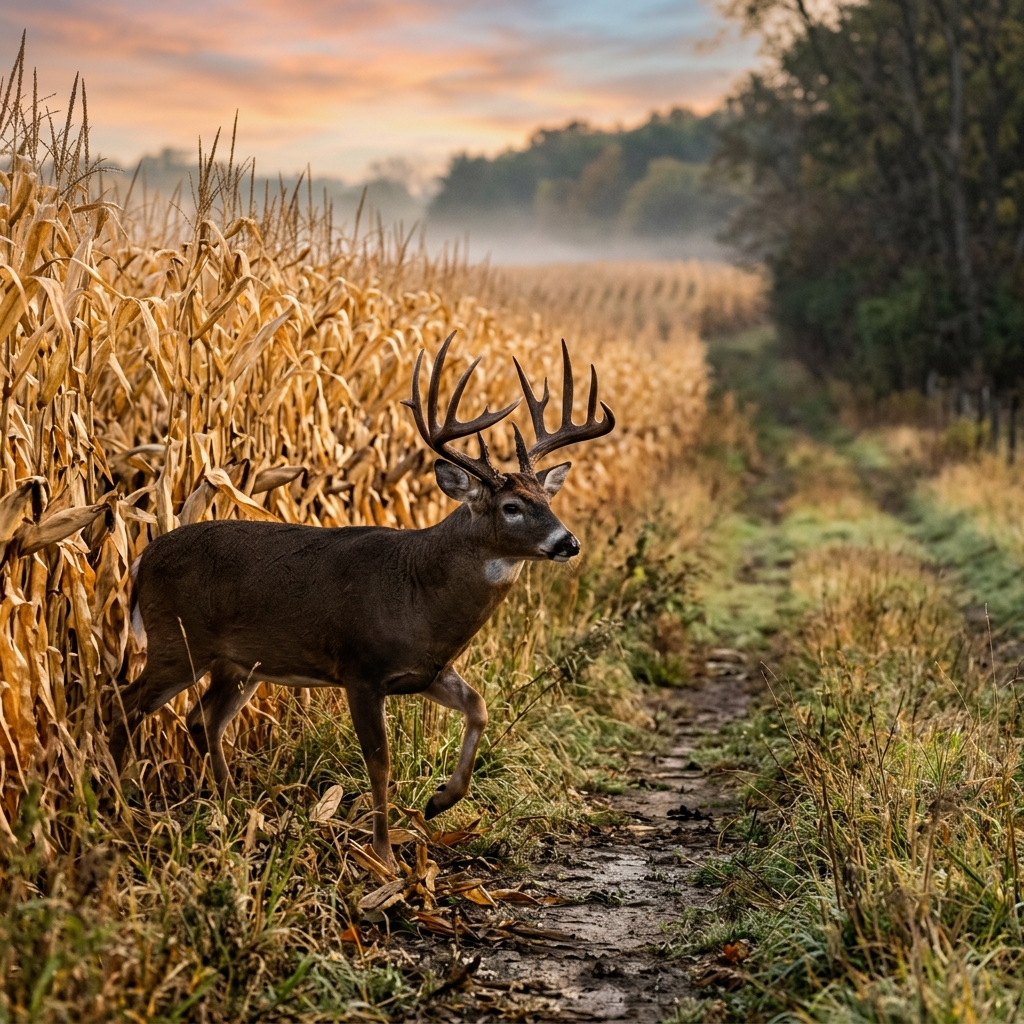
Hunt standing corn the smart way: washout hubs, timber seams, crosswind fringes, and harvest-week adjustments—without pushing rows or risking combines.
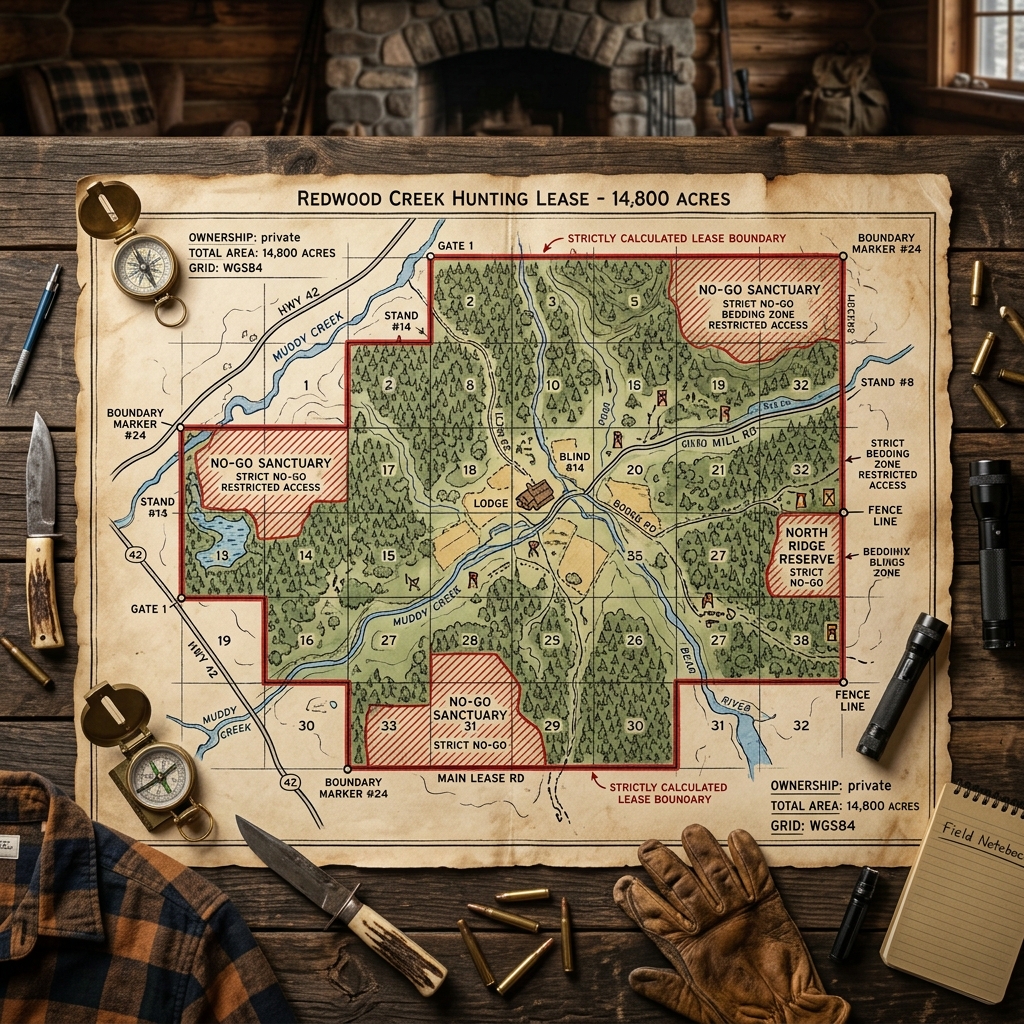
Keep a hunting lease productive with sign-in boards, stand-rest rules, sanctuaries, and hunter-per-acre ratios that prevent nocturnal bucks.
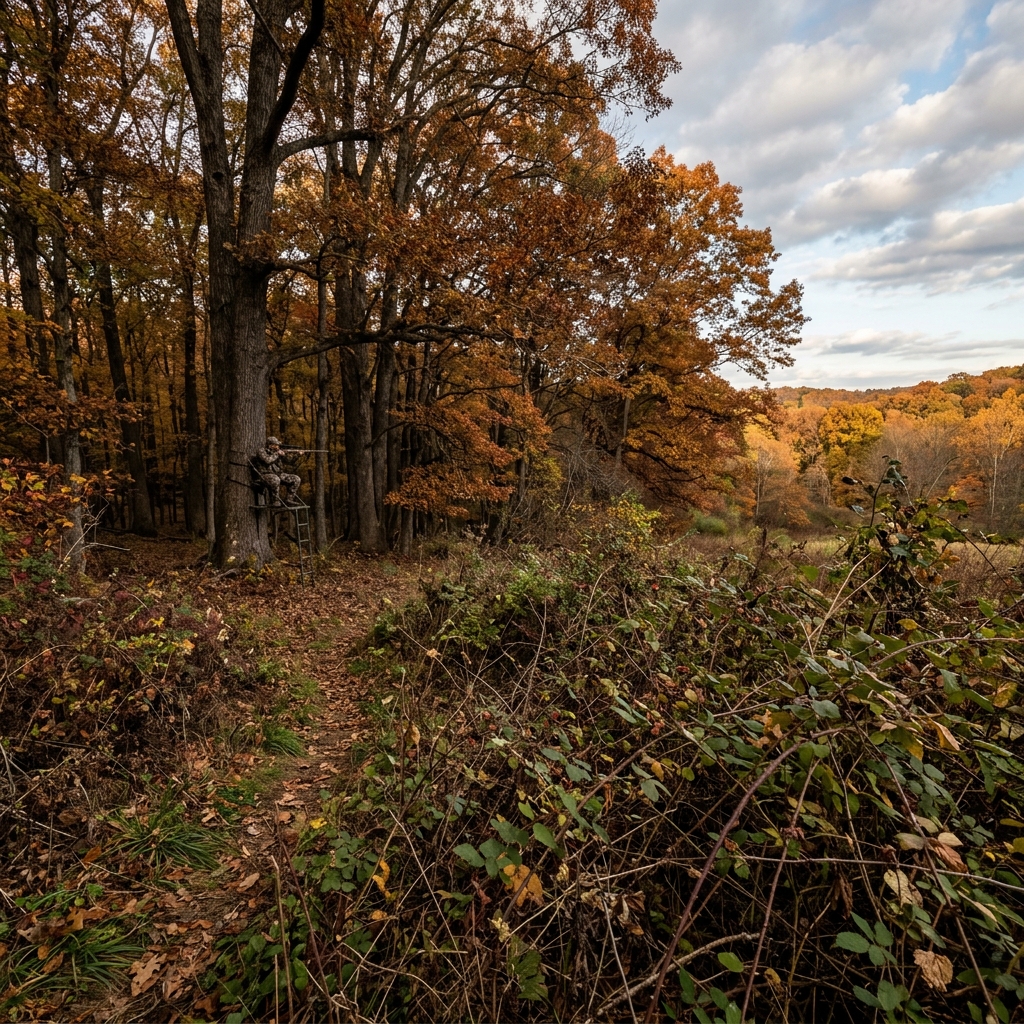
Mature deer live on edges. Learn hard vs soft habitat transitions, why bucks travel seams, and how to place stands on pine-to-oak hubs for daylight shots.
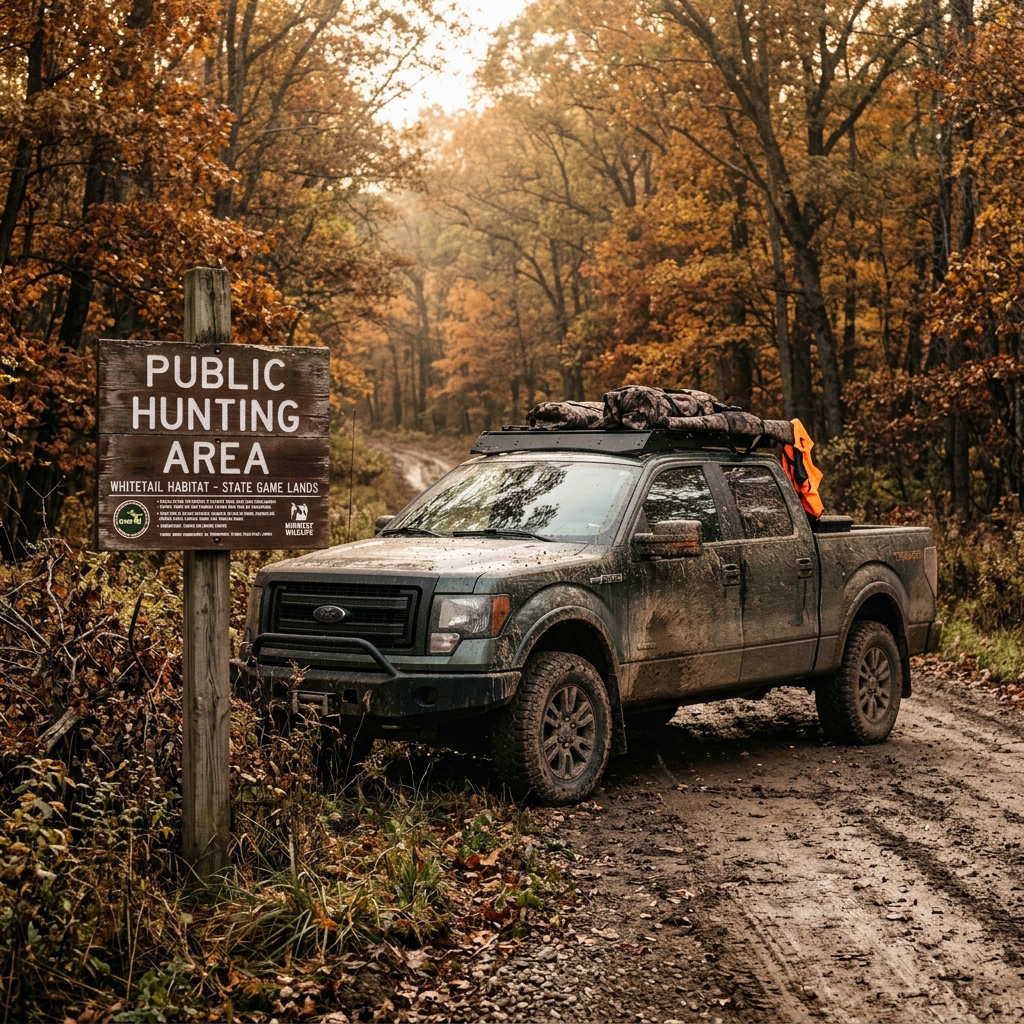
Plan a DIY OTC whitetail trip: top states, realistic tag costs, public-land pressure tactics, CWD transport rules, and travel checklists Practical tips for.
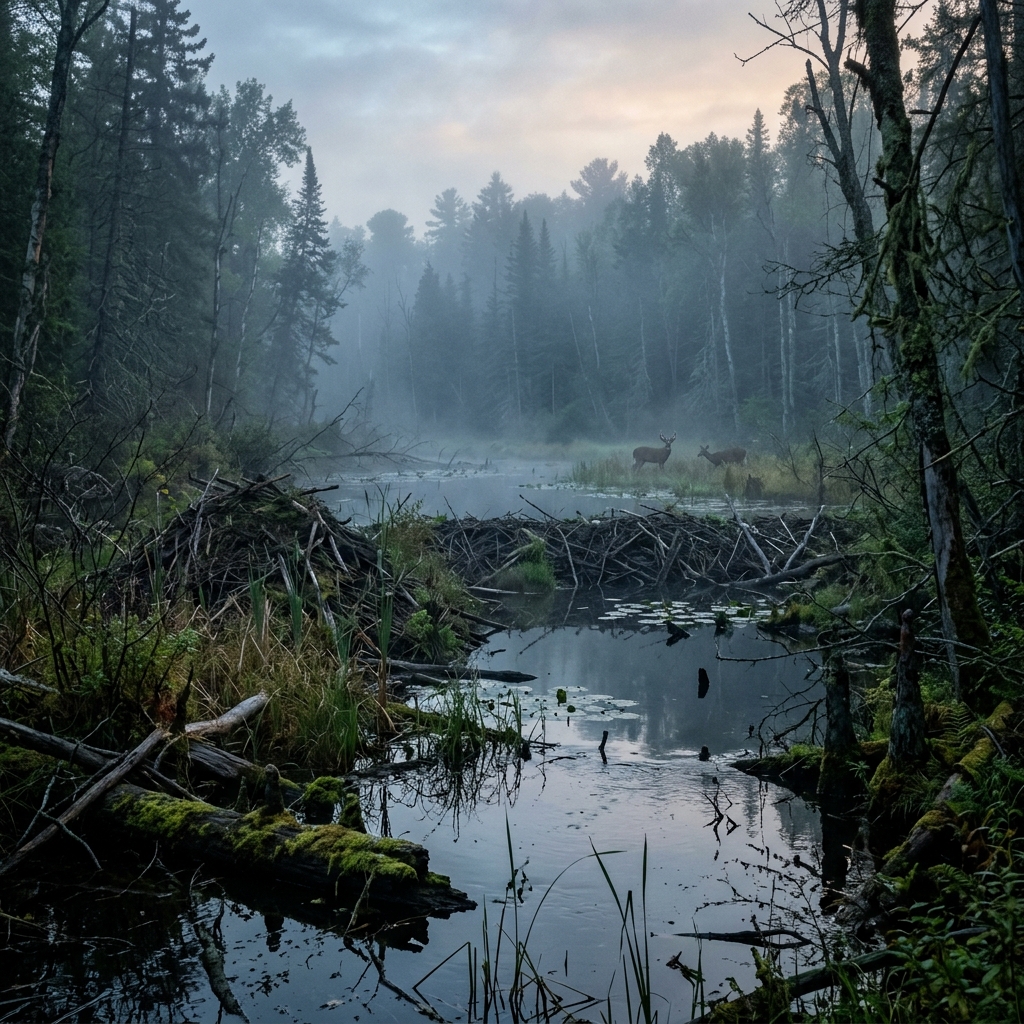
Hunt beaver dams and swamp sloughs as dry-crossing funnels. Master scent over water, kayak access to islands, and safety around unstable dams and pathogens.
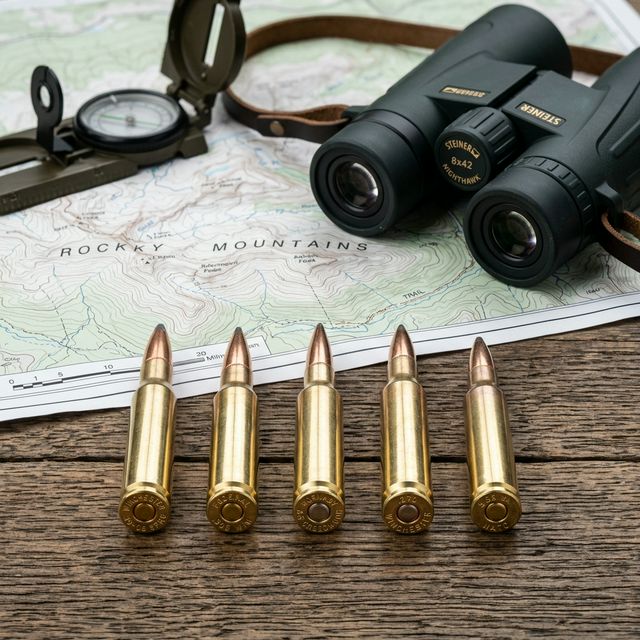
Pick the right deer knife: drop-point geometry, steel types, and replaceable surgical blades—plus safety tips for gutting, skinning, and quartering cleanly.
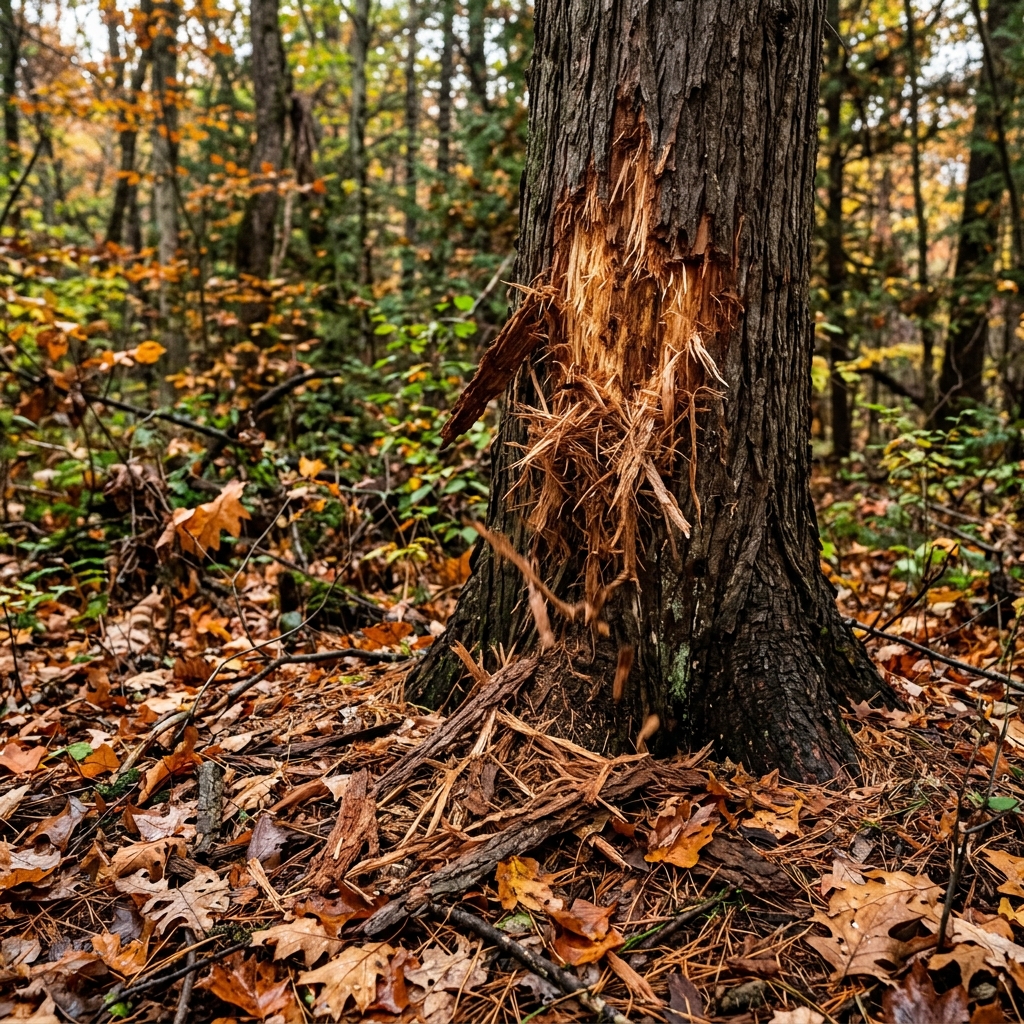
Build a realistic mock rub line to pull cruising bucks past your stand. Tree choice, spacing, gland lures, kill-lane pauses, and safe bark-shredding tools.
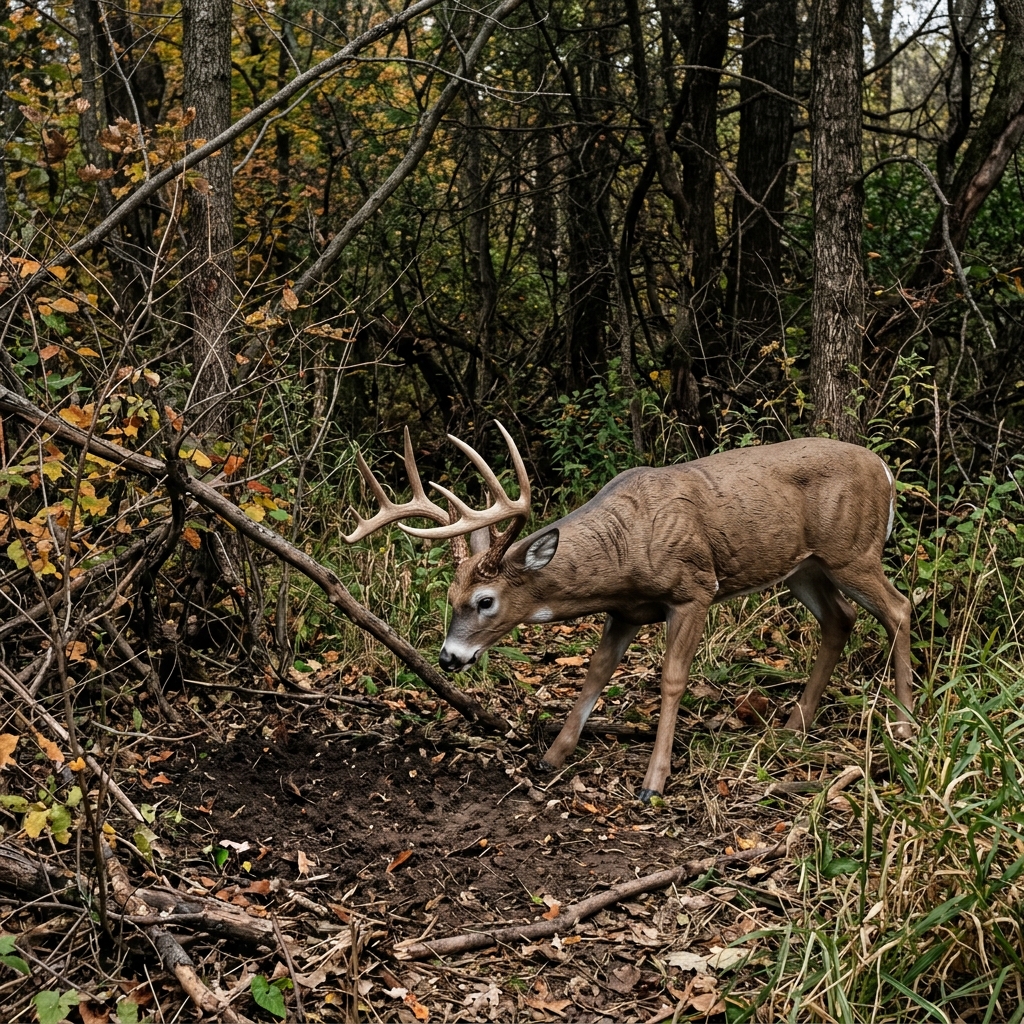
Use buck decoys in the pre-rut to trigger fights. Learn aggressive posture, the 20-yard rule, calling combos, and safety tips that pull mature bucks.
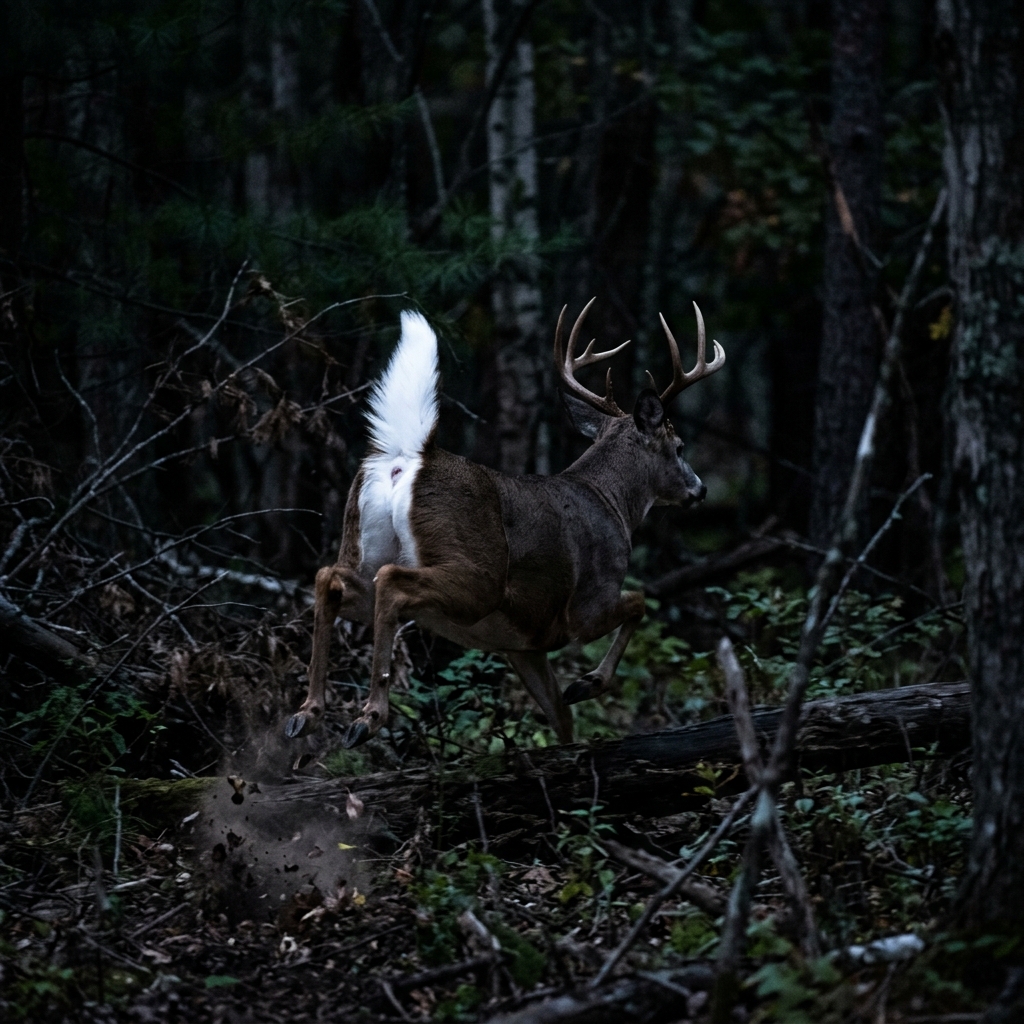
Spooked a buck? Learn how to judge minor vs. major spooks, realistic recovery timelines, when to stay put, and how to reset pressured stands.
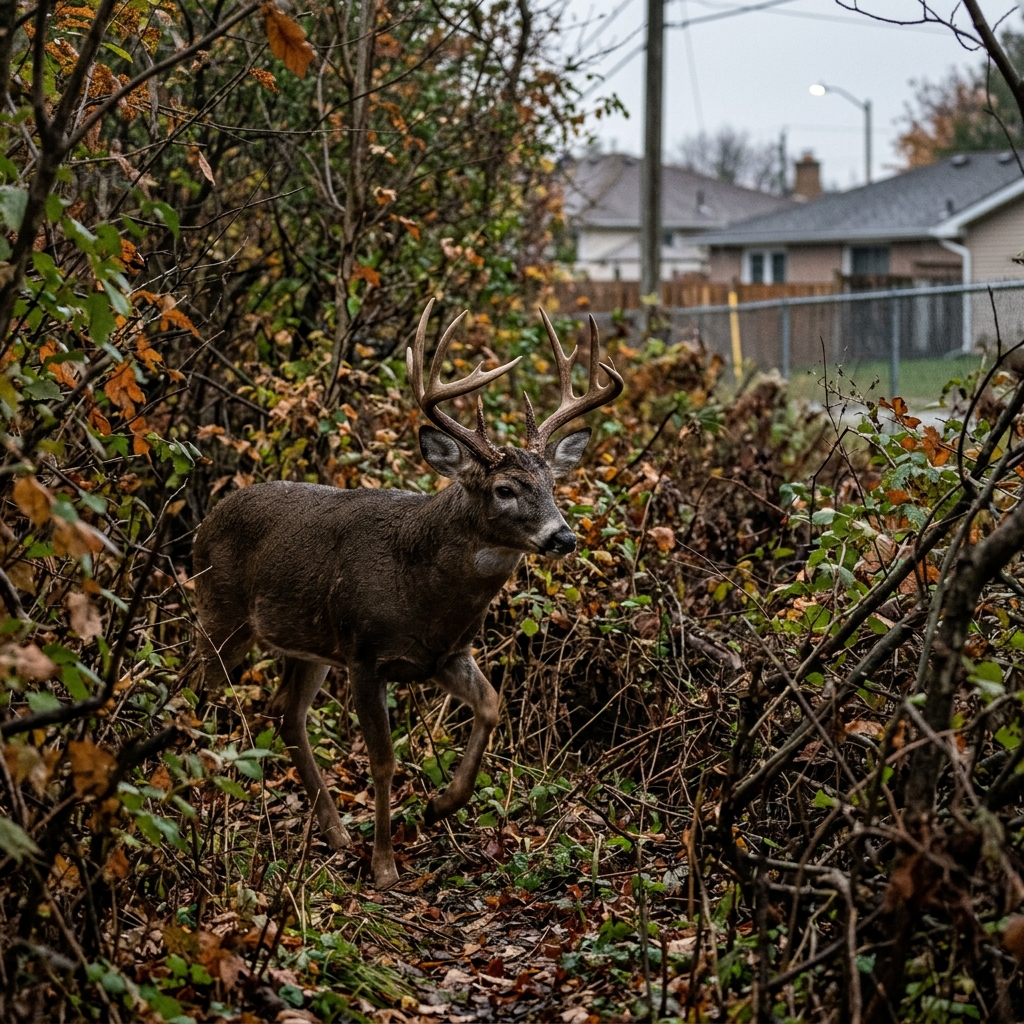
Hunt fragile 5–10 acre woodlots without burning them: sanctuary rules, perimeter entry, blow-off winds, and low-frequency sits that hold mature bucks.
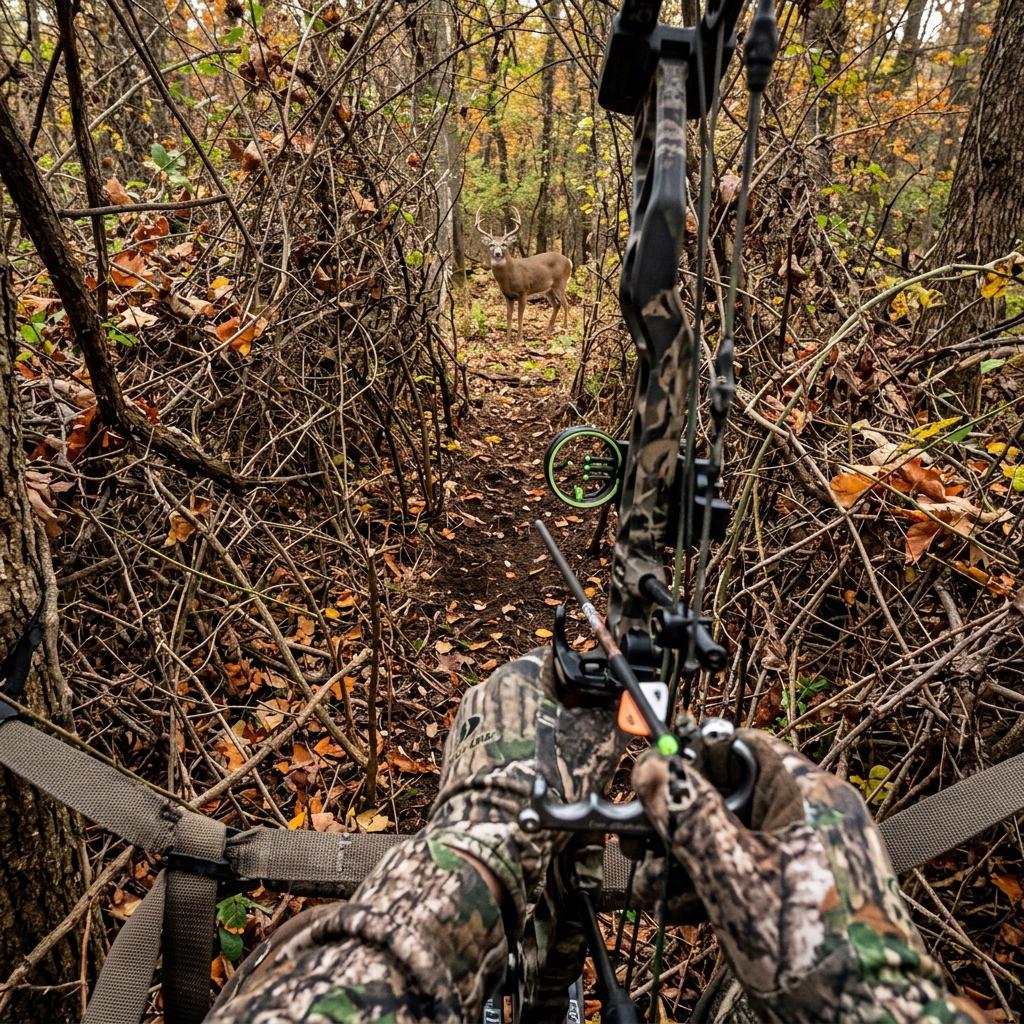
Clear shooting lanes for deer hunting without overcutting. Learn V-funnel trimming, scent control on fresh cuts, timing, and widowmaker safety tips.
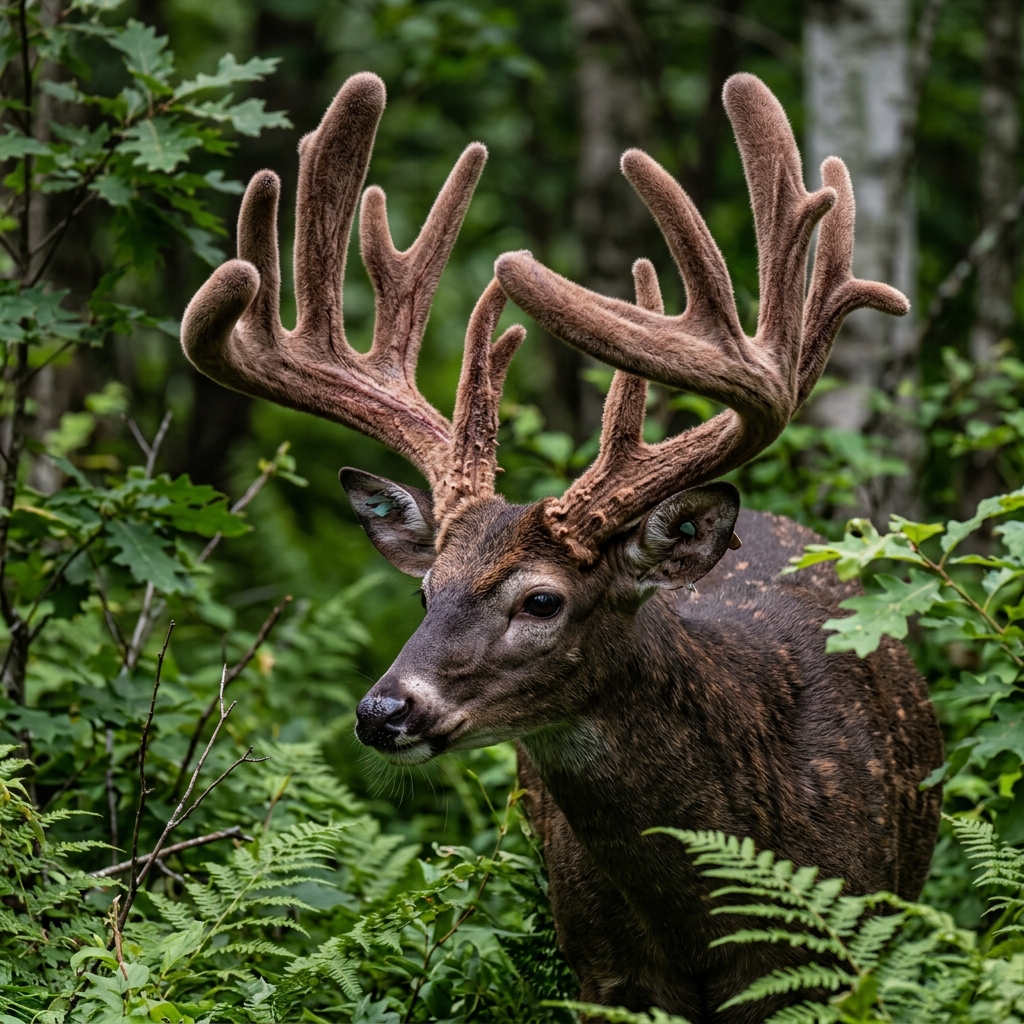
How bucks grow racks in ~120 days: velvet science, testosterone timing, nutrition vs genetics vs age, and why mineral sites raise CWD concerns.
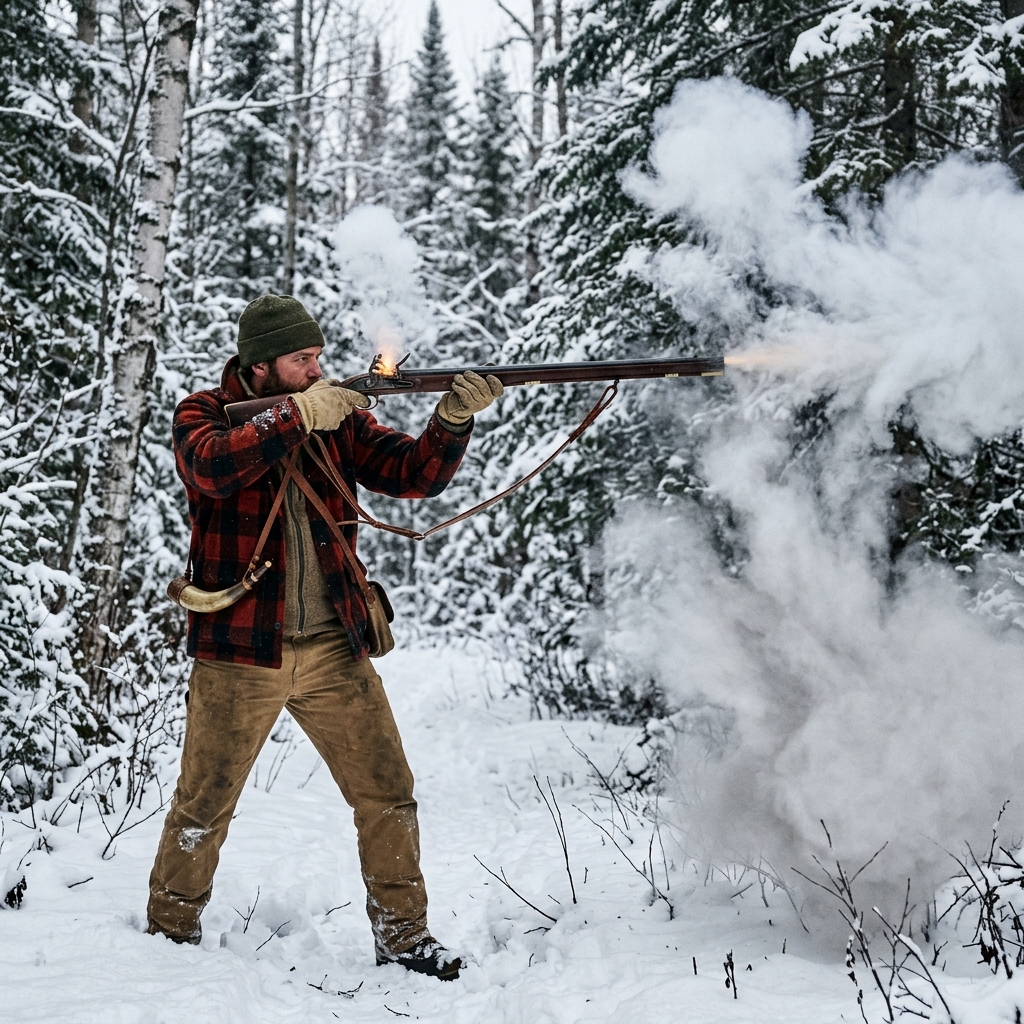
Master muzzleloader deer hunting: inline basics, sabots and pellets, trajectory notes, cleaning habits, hangfire safety, and late-season tactics.
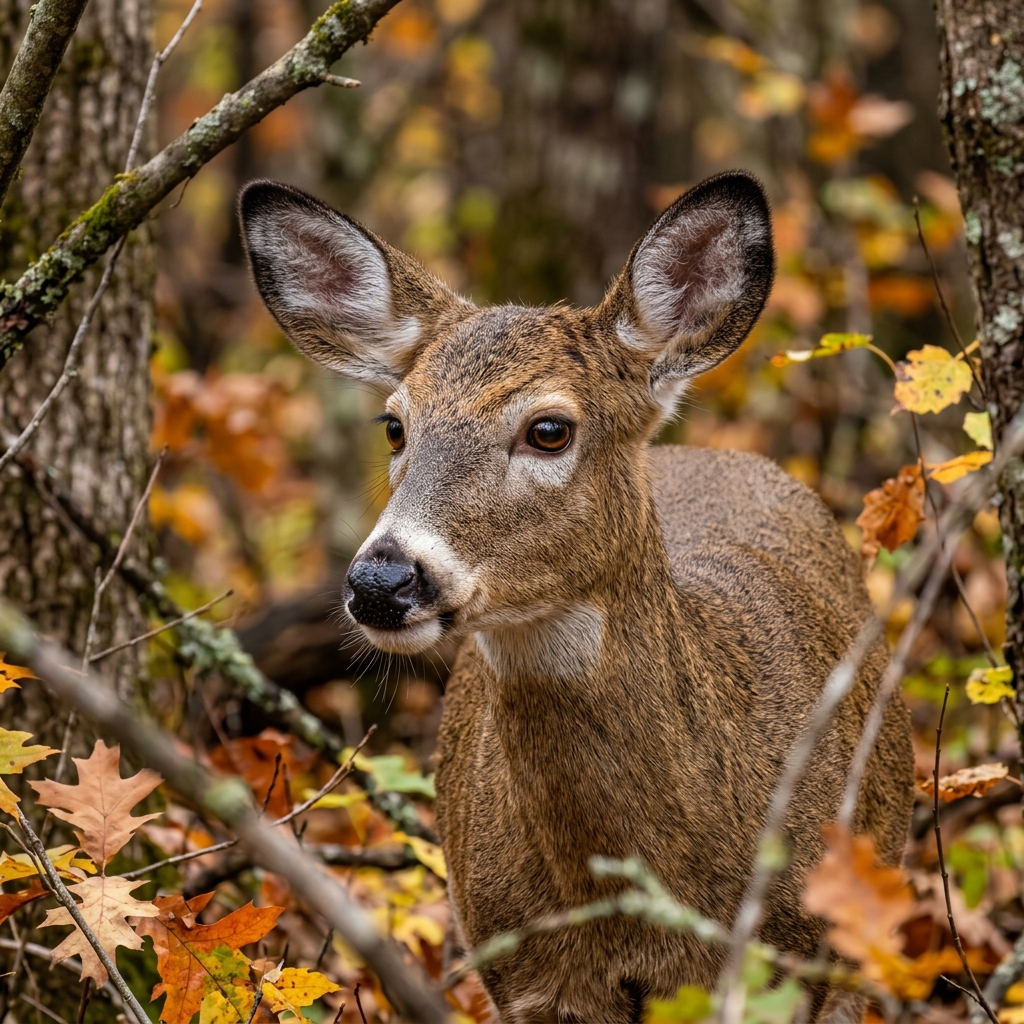
Deer ears pinpoint unnatural noise from hundreds of yards. Learn hearing ranges, binaural locating, and how to silence boots, zippers, stands, and clothing.
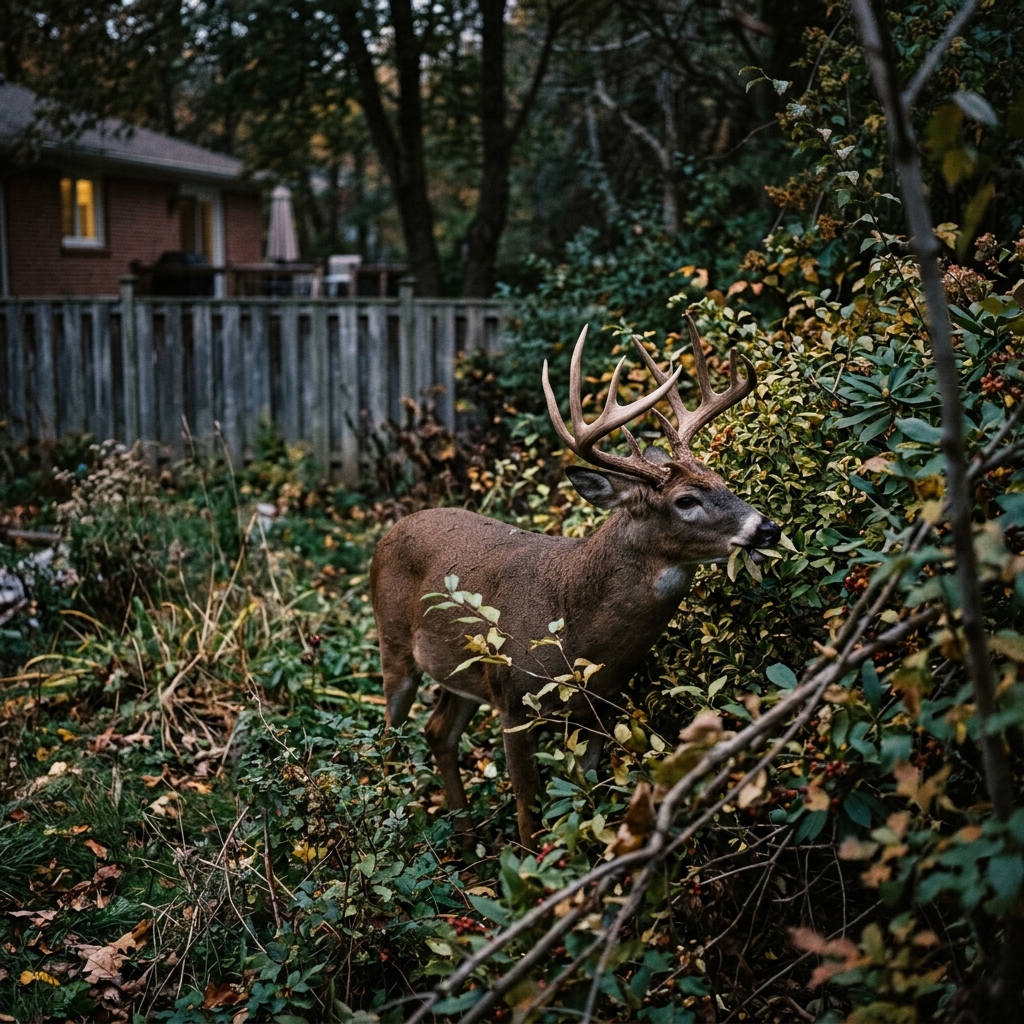
Learn how depredation tags and urban archery programs work, who qualifies, and how ethical hunters help reduce crop damage and herd numbers.
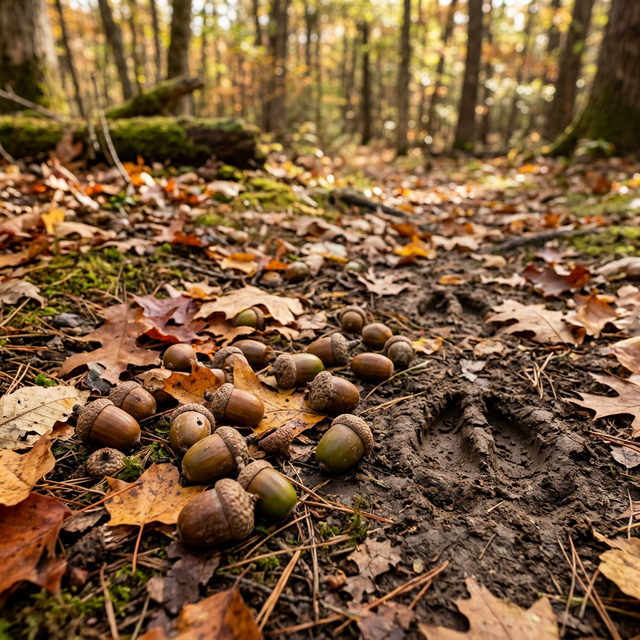
Old farmsteads hide apples, cellars, and soft edges mature bucks love. Learn eco-scouting clues, periphery stands, and well hazards before you hunt.
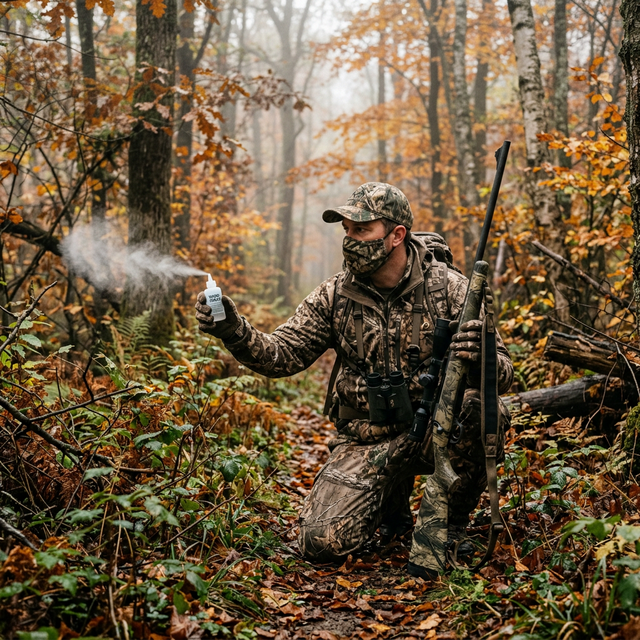
Skip camo marketing hype. Learn silhouette breakdown, UV wash mistakes, tree-stand vs ground patterns, and why blaze orange still works for deer hunters.
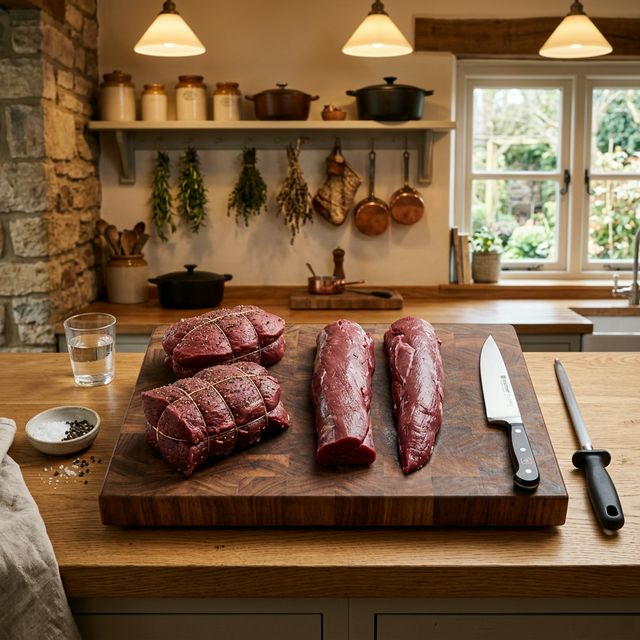
Pressure-can venison safely: raw-pack steps, PSI by altitude, 75/90-minute times, botulism prevention, storage tips, and common canning mistakes.
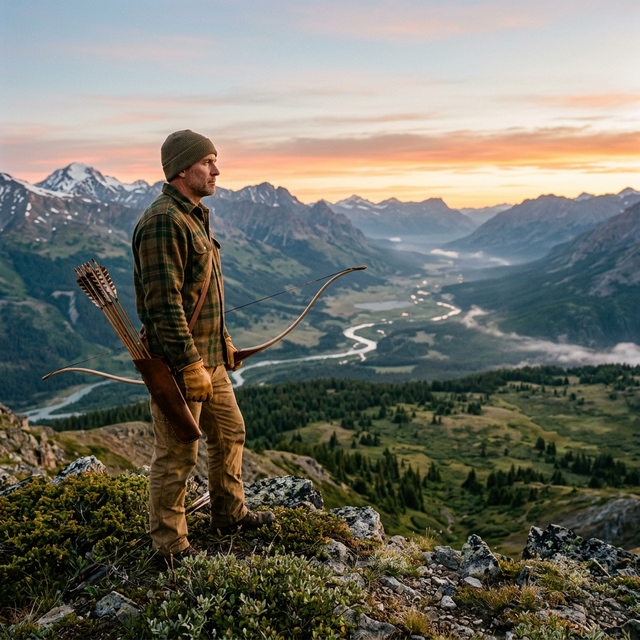
Hitting steel at 800 yards is not an ethical whitetail shot. Learn time of flight, expansion limits, wind drift, and when to pass for a fair-chase harvest.
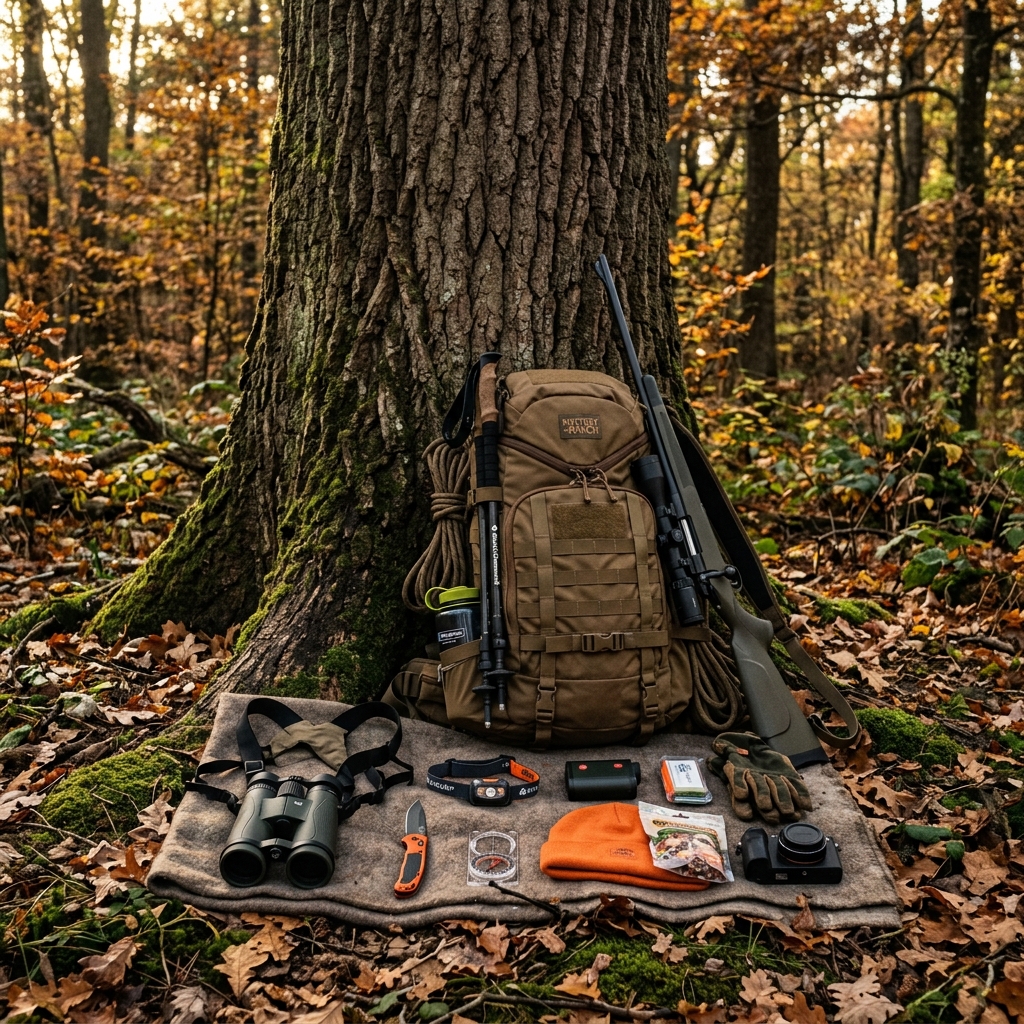
Pick the right hunting pack—lightweight daypacks for short sits vs. frame meat haulers for public land pack-outs, with fit, capacity, and kit tips.
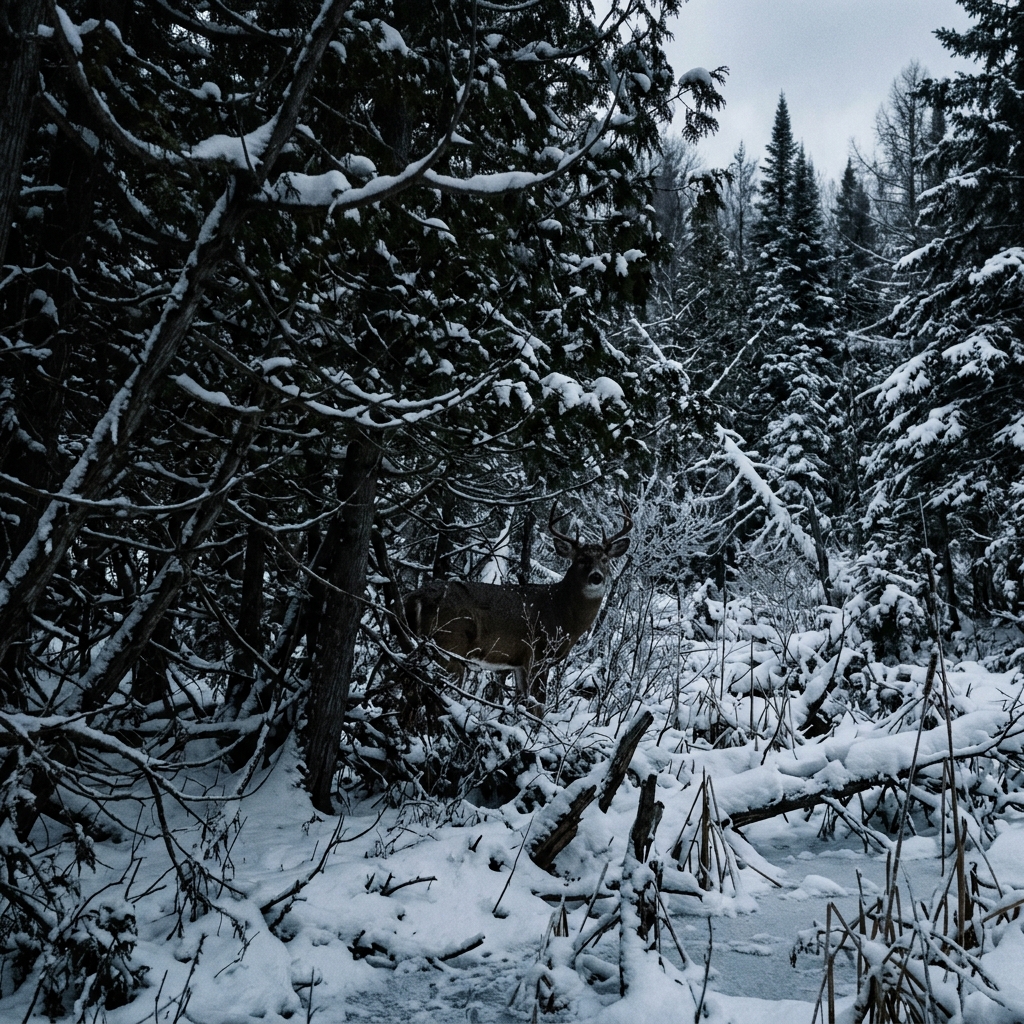
Dense cedars offer thermal cover deer need to survive winter. Learn edge tactics, midday sits, and how to hunt conifer swamps without blowing the sanctuary.
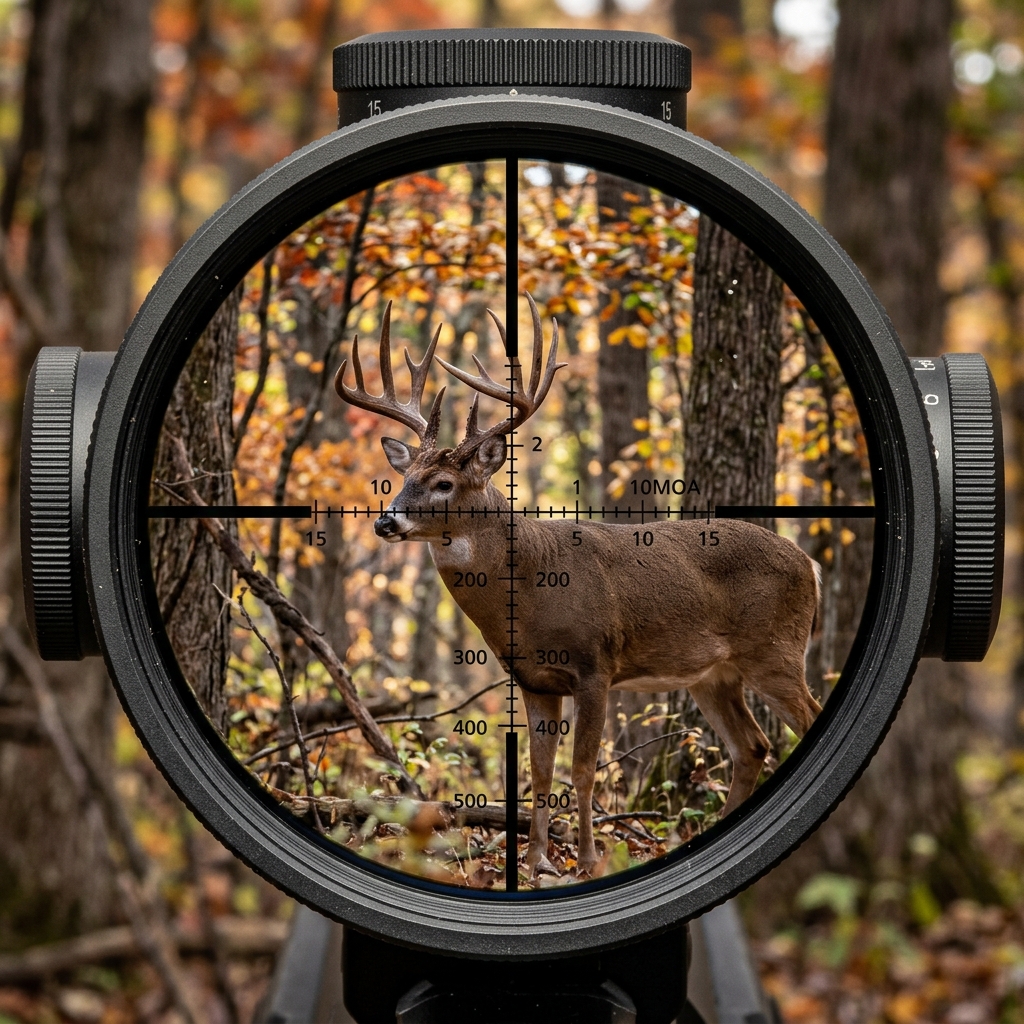
Pick deer-hunting glass with the right magnification, reticle, focal plane, and coatings. 3-9x baselines, illumination, FFP vs SFP, and low-light tips.
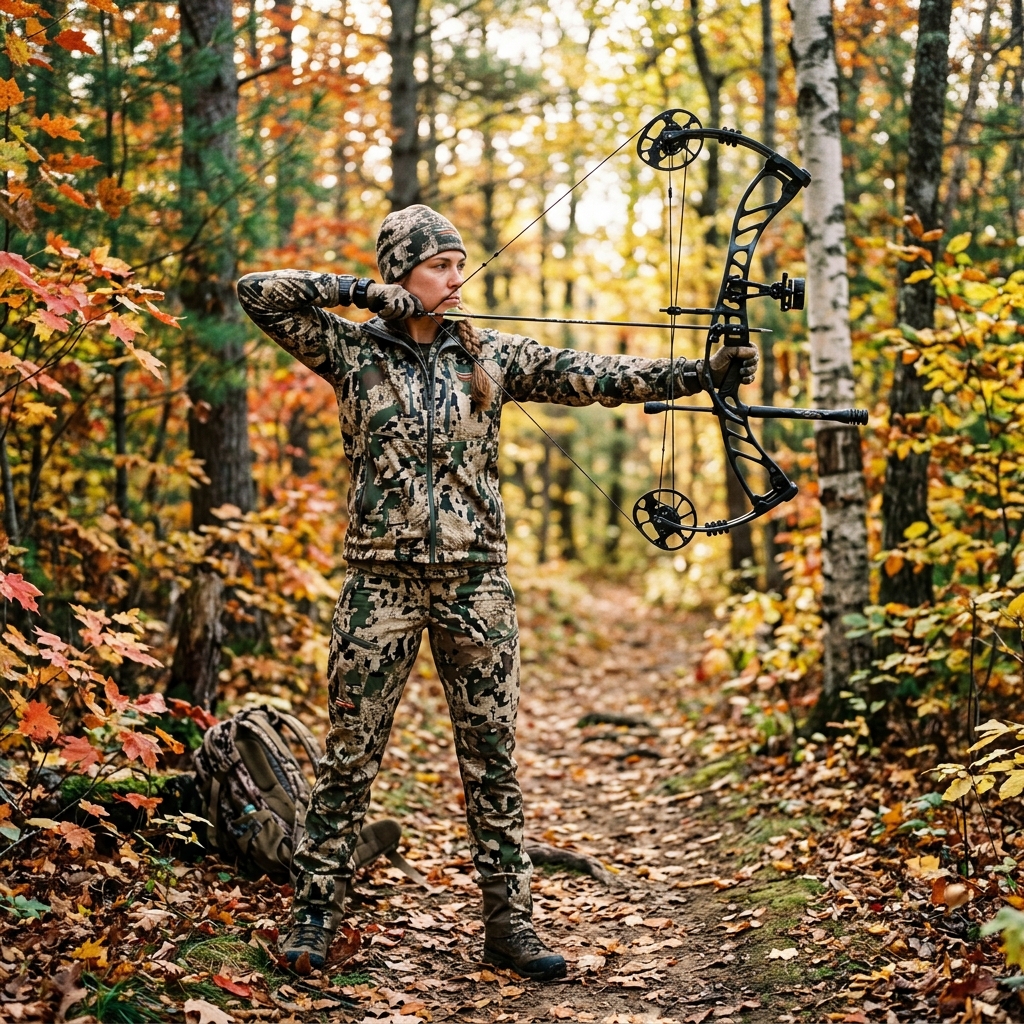
Women are hunting's fastest-growing demographic. Focus on fit, draw length, kinetic energy, harness safety, recoil management, and solo-hunt protocols.
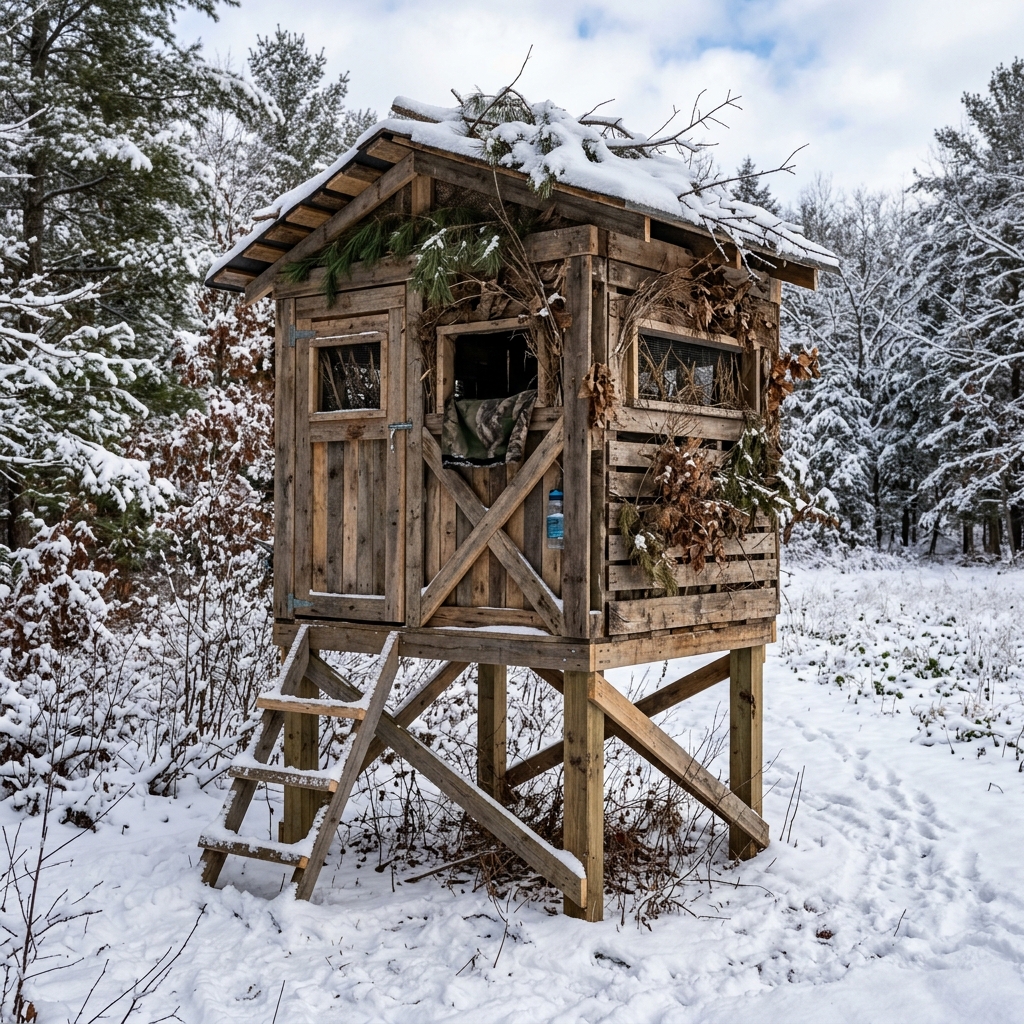
Build a durable DIY pallet deer blind: foundation, walls, roof pitch, window concealment, placement timing, and mistakes that educate deer Practical tips.
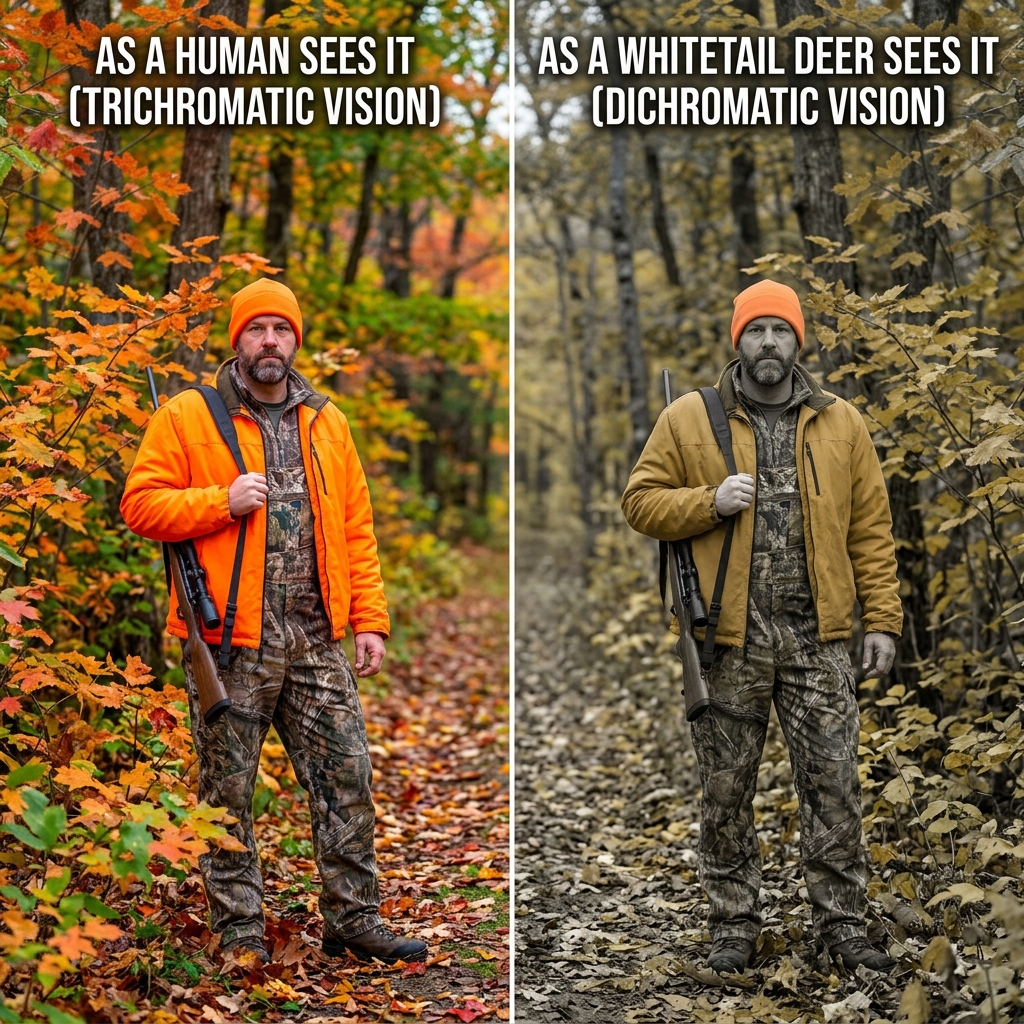
Deer miss blaze orange but light up blue and UV-bright fabric. Learn dichromatic vision, night sight, motion detection, and how to dress so you stay unnoticed.
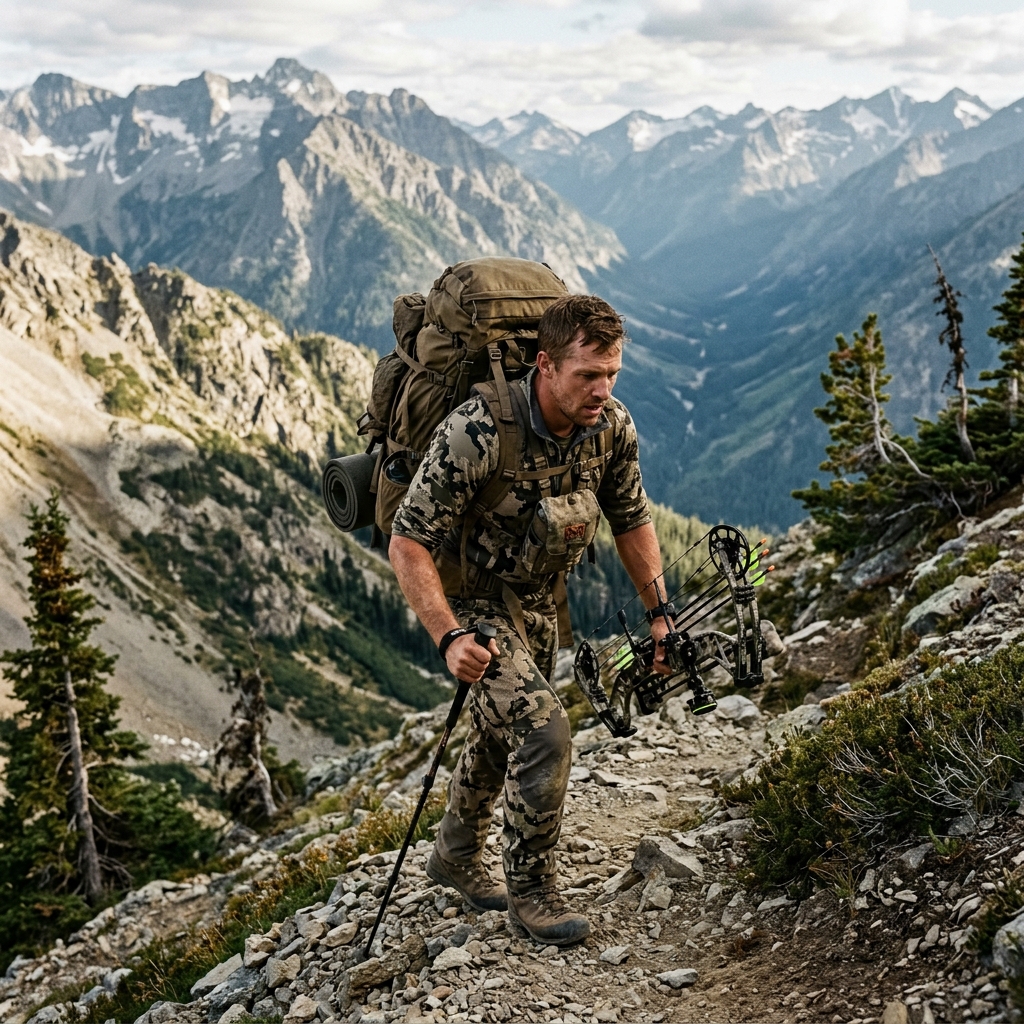
Train for backcountry whitetails with rucking, draw strength, pack-out power, and heart-safe recovery habits that keep you hunting deep timber.
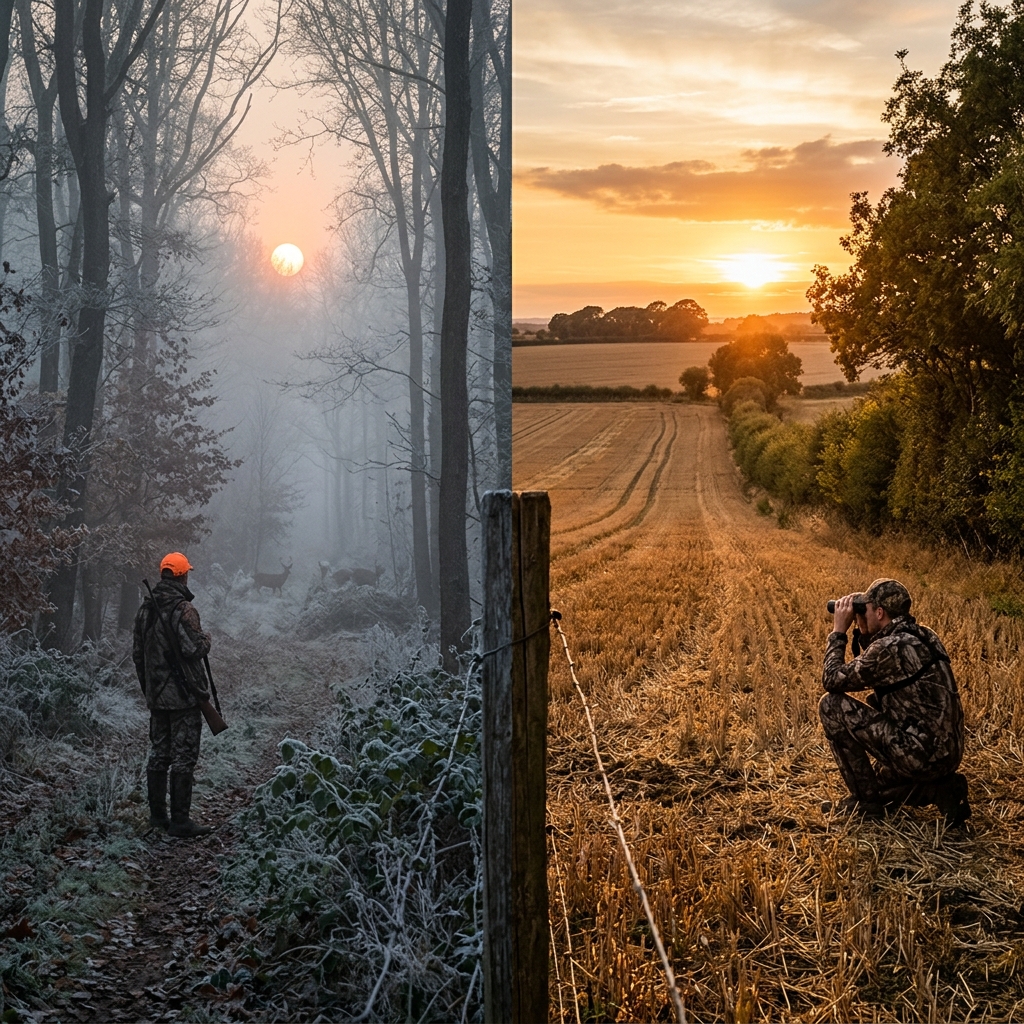
Morning hunts for rut funnels and bedding returns; evening hunts for staging and food edges—match access, thermals, and stand sets to the clock.
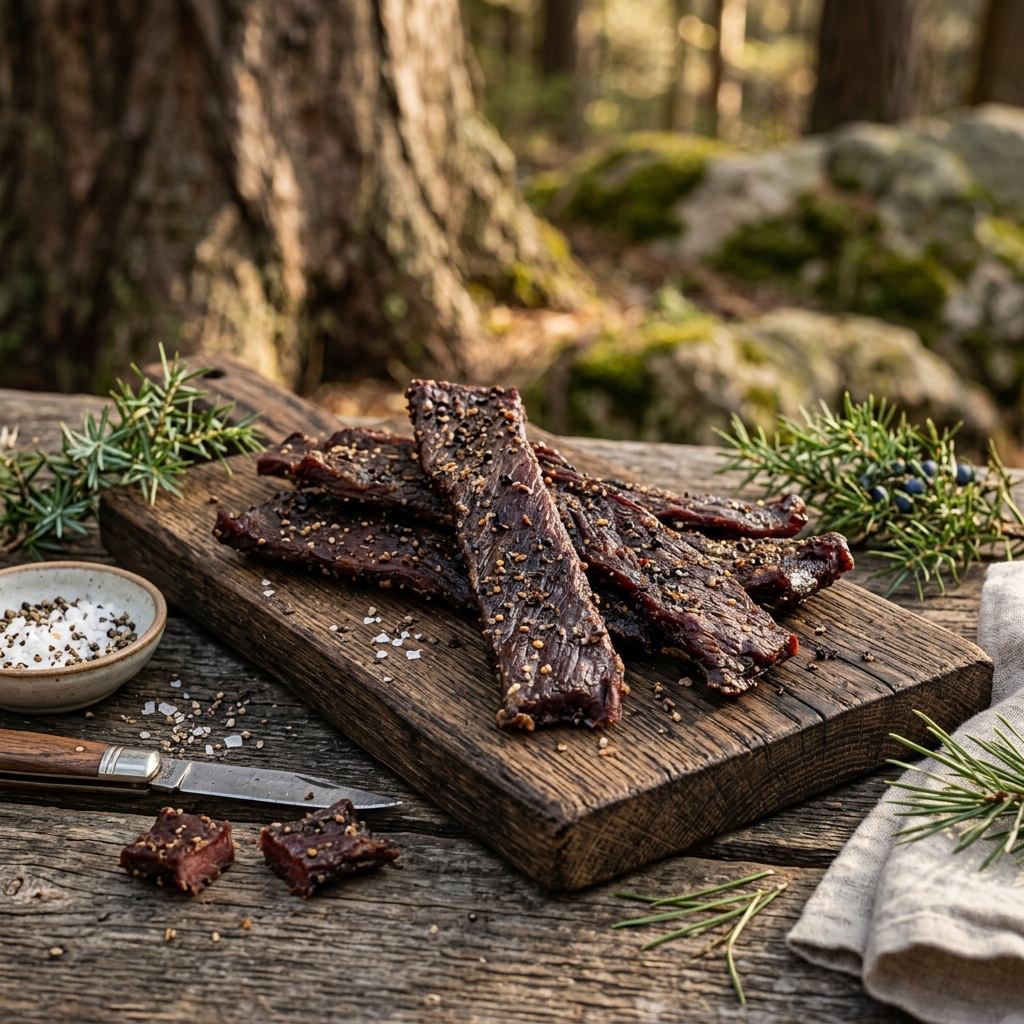
Safer homemade venison jerky: slice against the grain, use curing salt, hit 160°F, dehydrate evenly, and turn tough roasts into pack-ready protein.
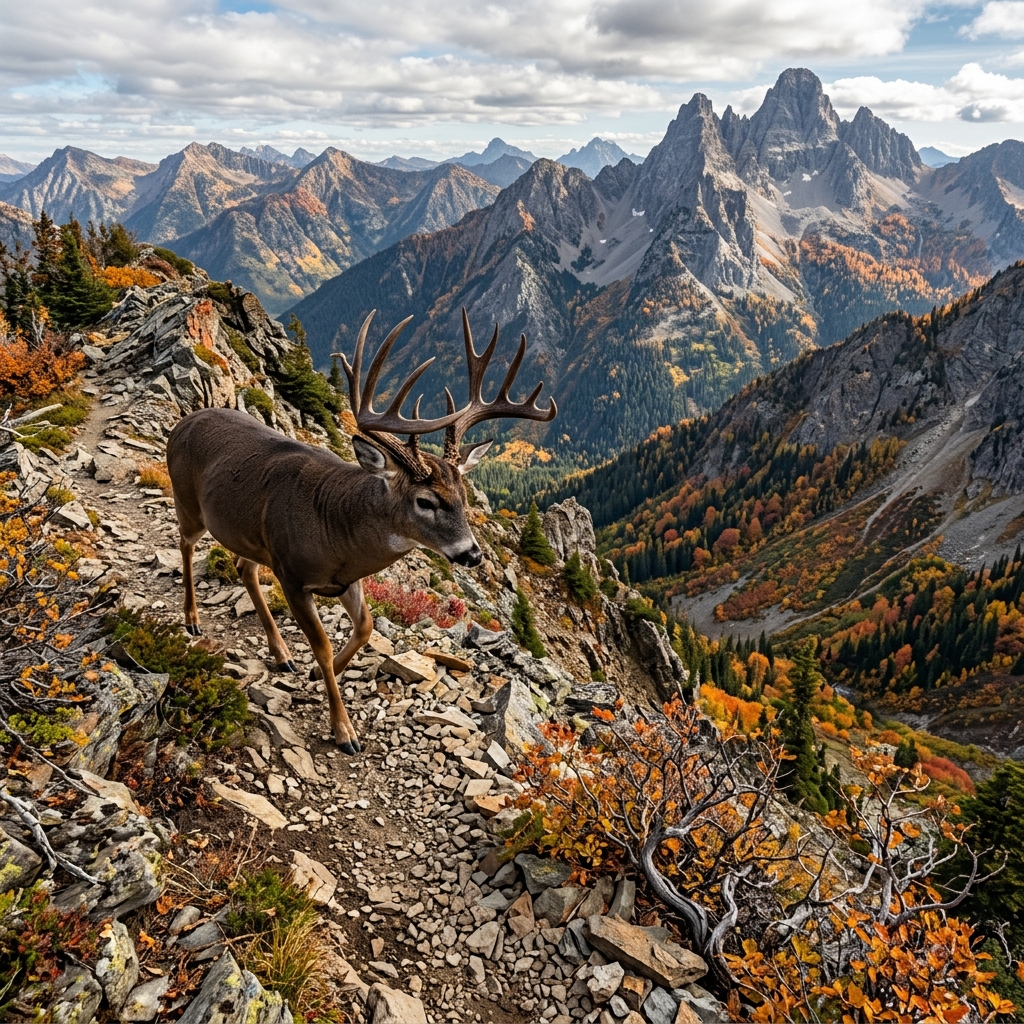
Hunt mountain whitetails by reading saddles, benches, and leeward beds. Master thermals, topo funnels, and safe access in steep Appalachian and Ozark timber.
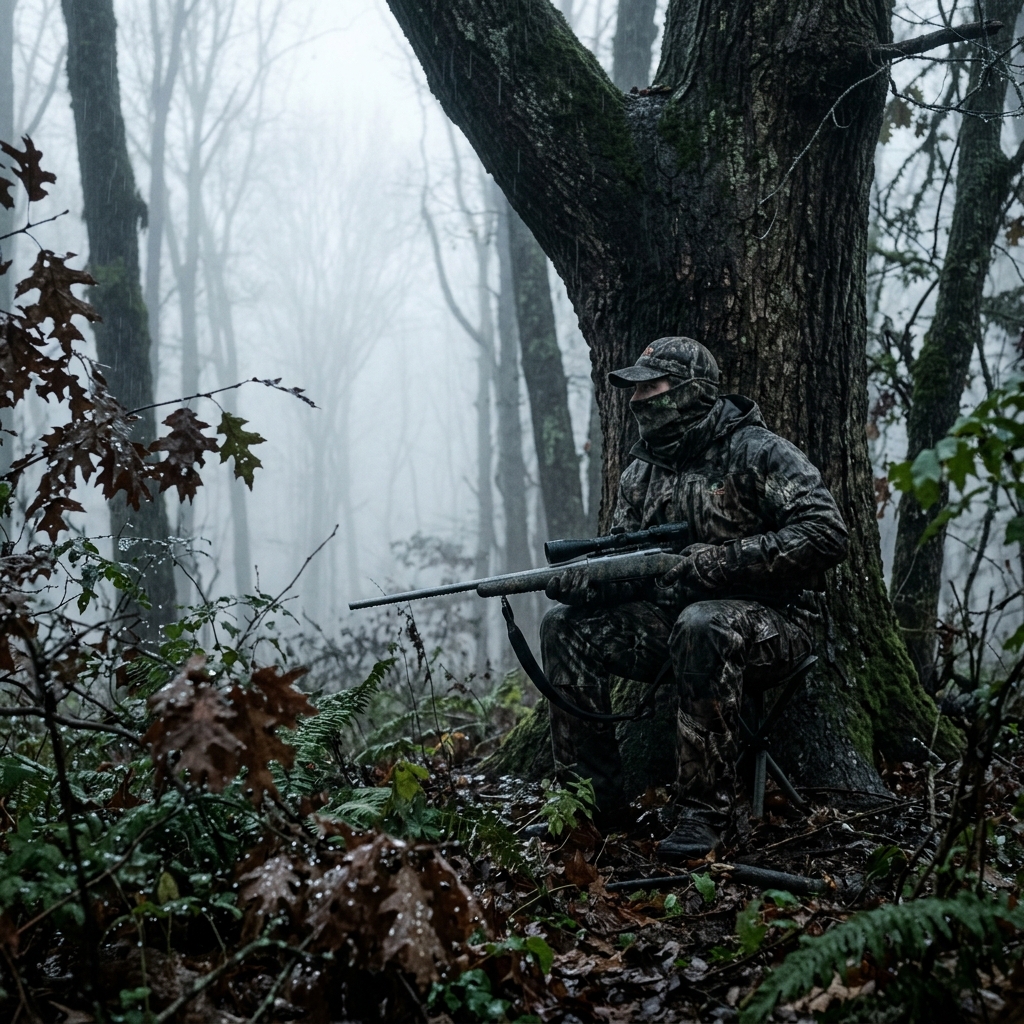
Fog and light drizzle quiet leaves, shrink scent cones, and extend daylight security. Learn stalking tactics, sit timing, gear, and hypothermia prevention.
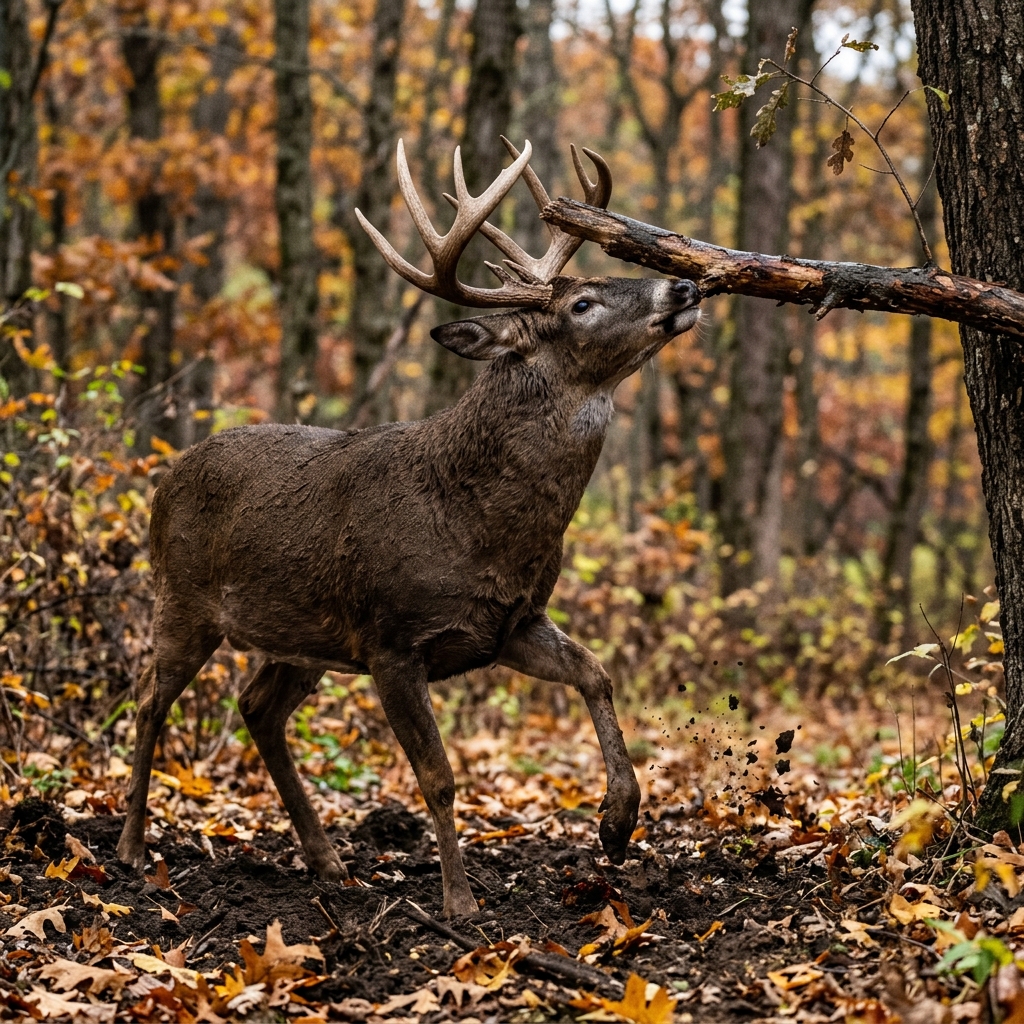
Hunt the pre-rut seeking phase: daylight cruising, rattling, scrape lines, doe-bedding edges, and all-day sits when mature bucks search hard.
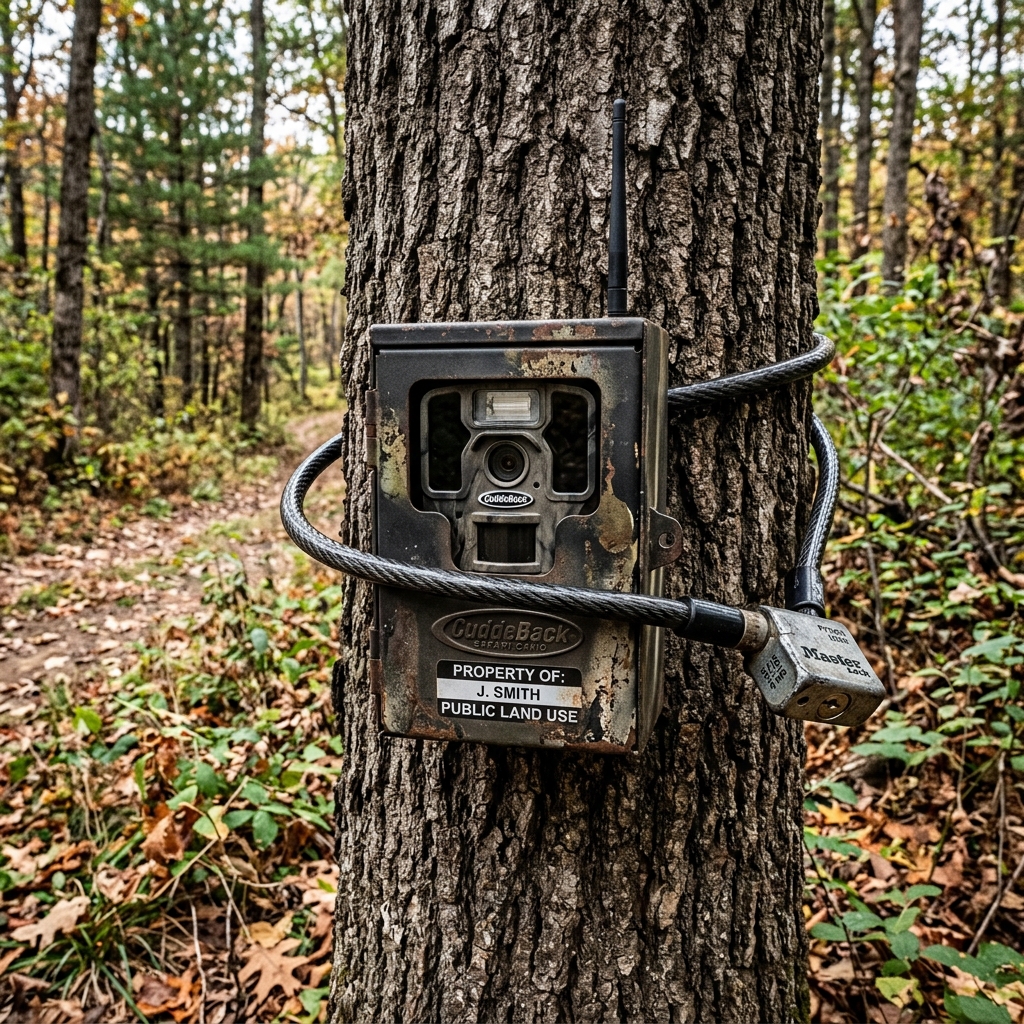
Stop public-land trail camera theft: mount 10–12 feet high, cinch cable locks, use steel boxes, and install safely without advertising your setup.
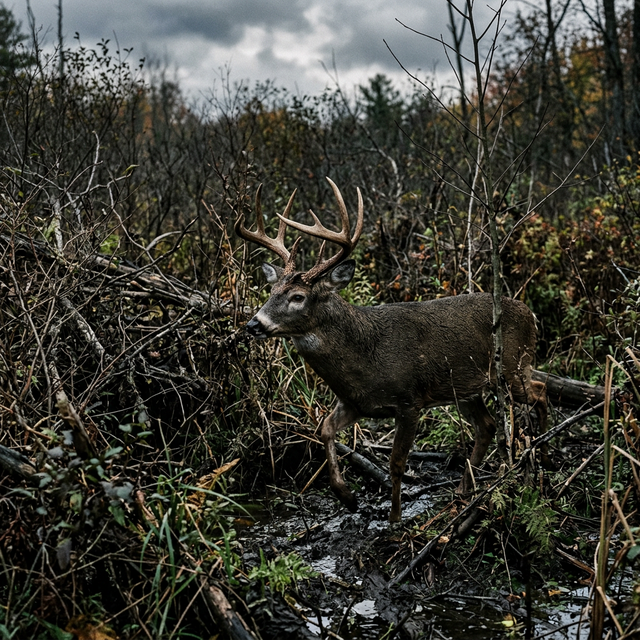
Hunt persimmons, apples, and soft mast when sugar peaks. Find homestead orchards, read drop sign, and set stands for the short early-season fruit window.
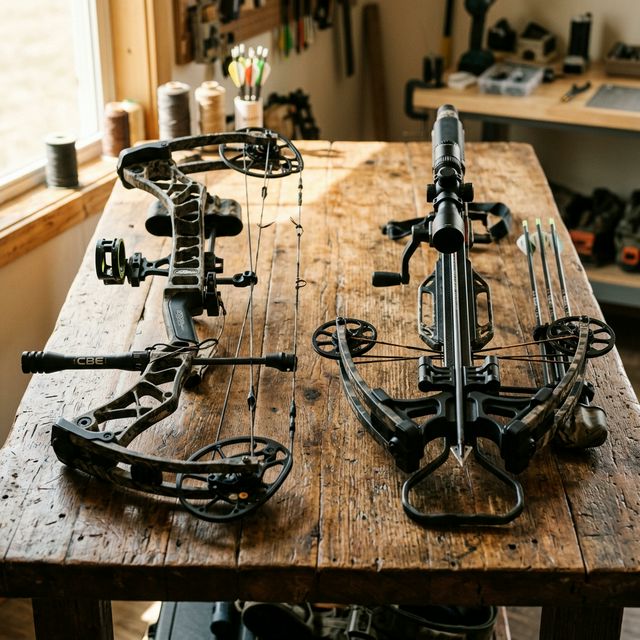
Compare index, thumb, and hinge archery releases for bowhunting: setup tips, back-tension form, safety checks, and how to pick the right aid.
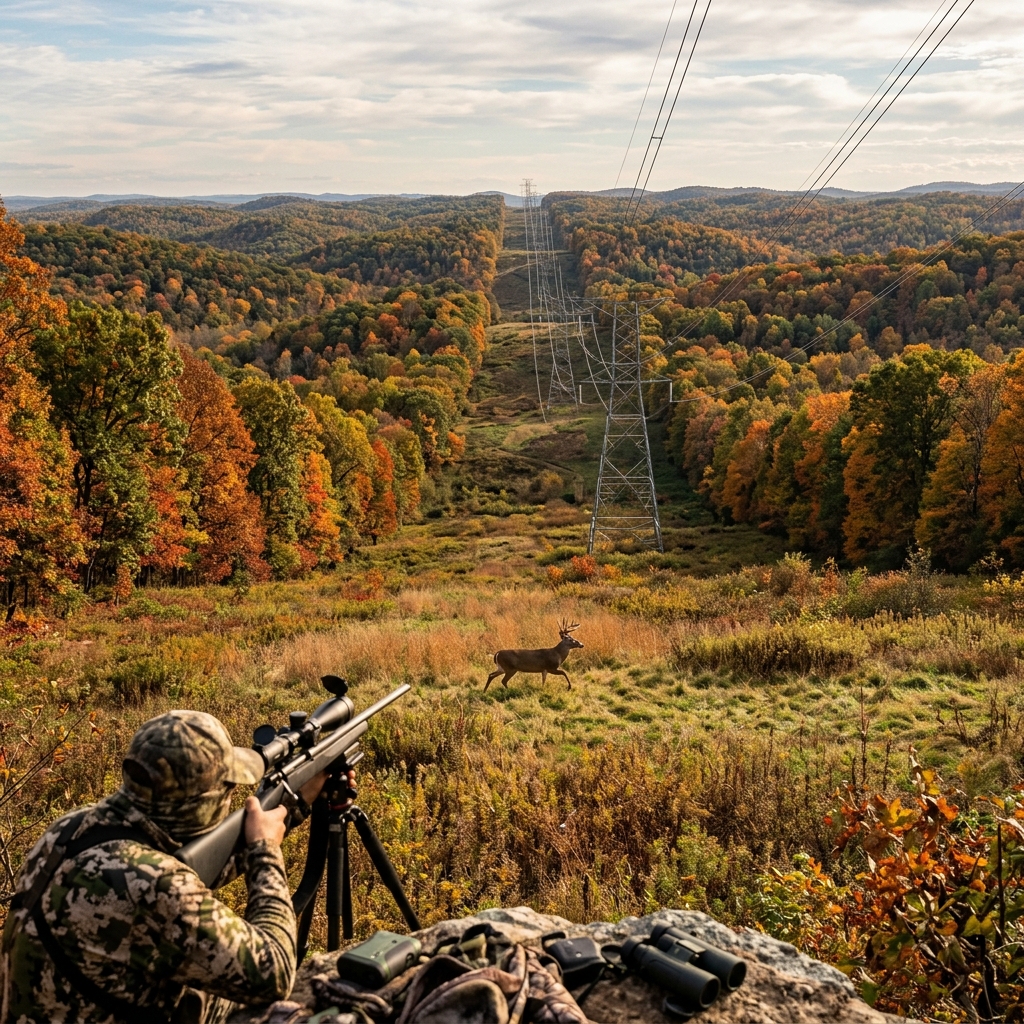
Powerline rights-of-way create miles of edge browse and long sightlines. Learn feathered-edge travel, low-spot crossings, stand setbacks, and safety rules.
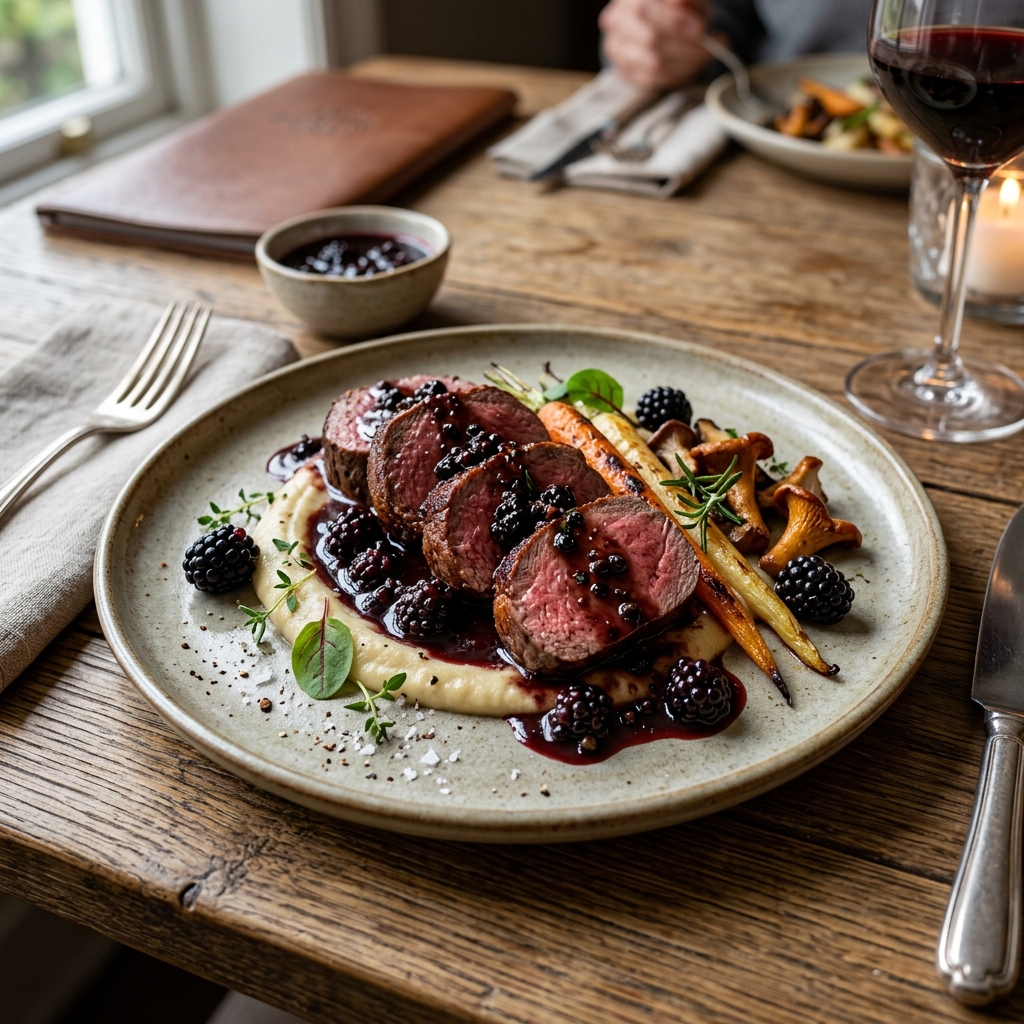
Cook tender venison backstraps, juicy burgers, and rich chili. Master the 130°F rule, fat ratios, and field-to-fork tips that kill the gamey taste.
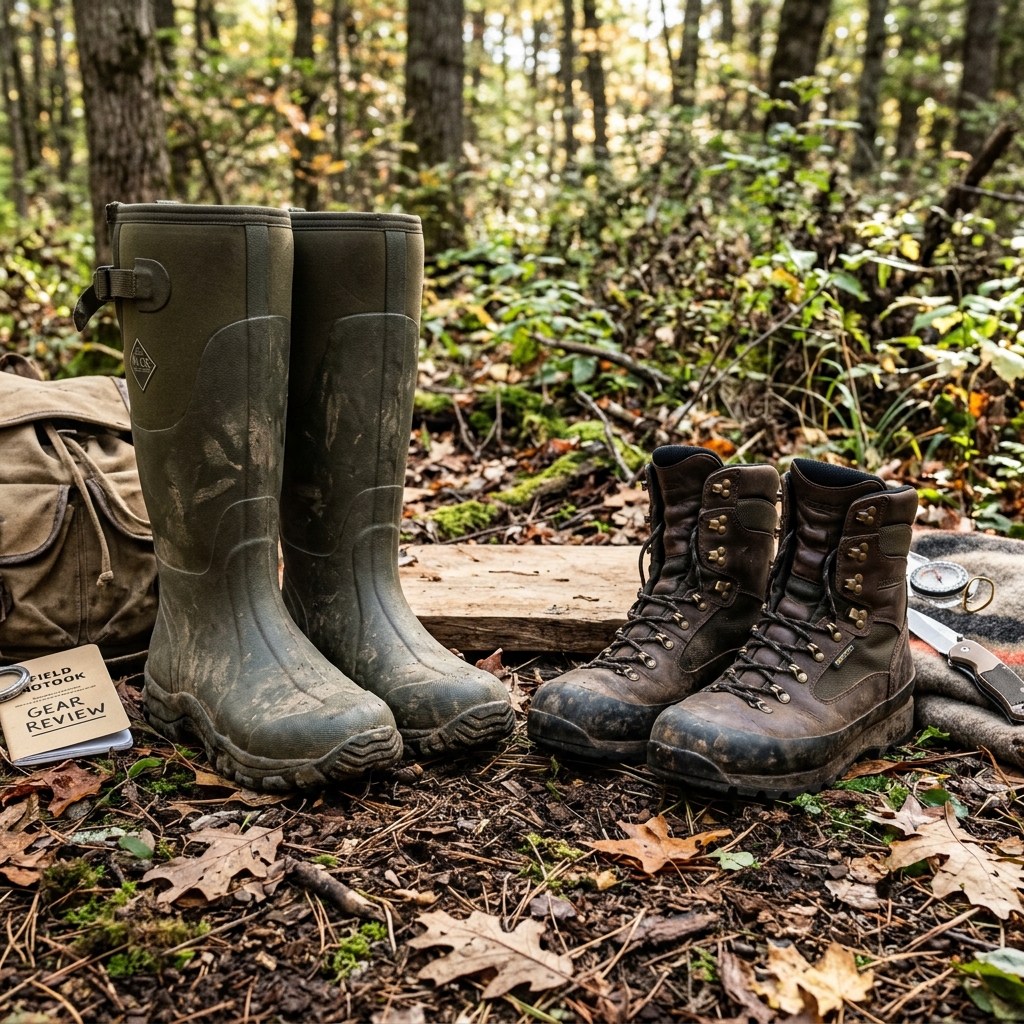
Rubber vs. leather hunting boots compared: scent control, ankle support, insulation grams, fit tips, and when each footwear style wins for whitetails.
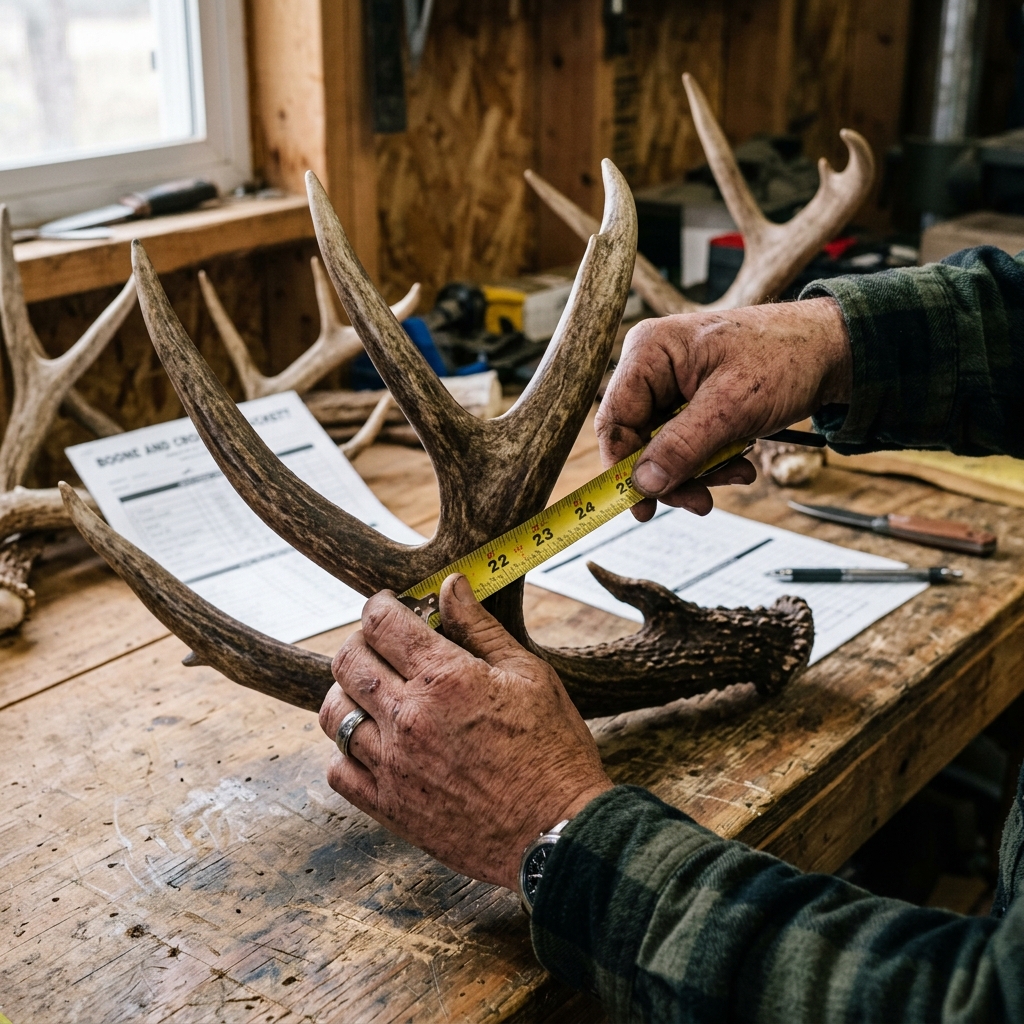
Score a whitetail with Boone and Crockett basics: gross vs net, beams, tines, mass, spread credit, green scoring tips, and common tape errors.
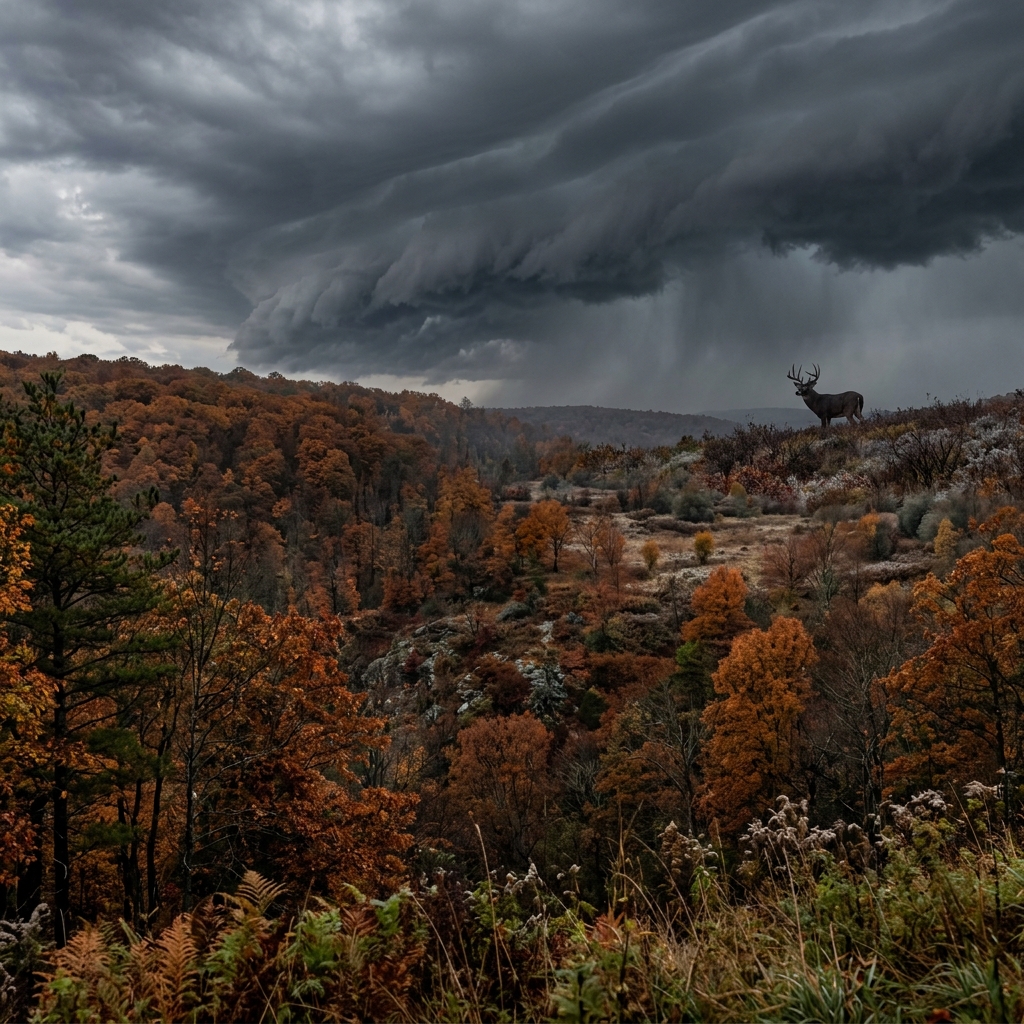
Does a rising barometer mean better deer hunting? Learn the inHg ranges, pre-storm feeds, cold-front timing, and how to track pressure trends in the field.
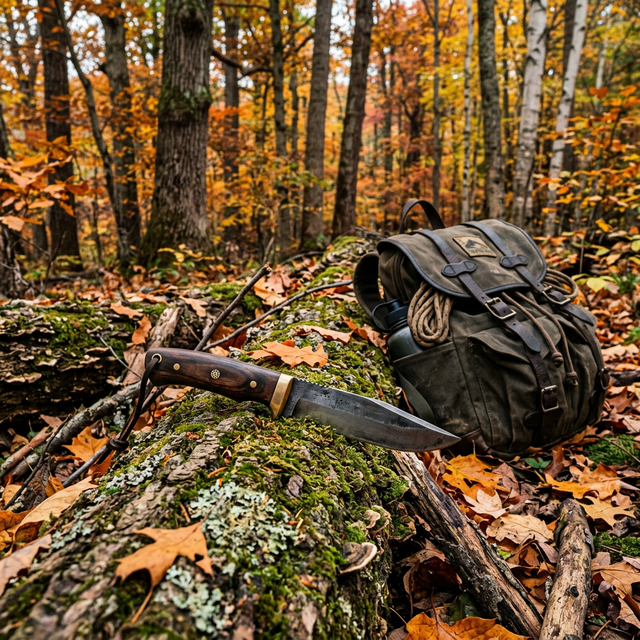
Quarter a deer without opening the gut cavity. Step-by-step gutless method, game bags, pack loading, meat care, and safe multi-trip extraction tips.
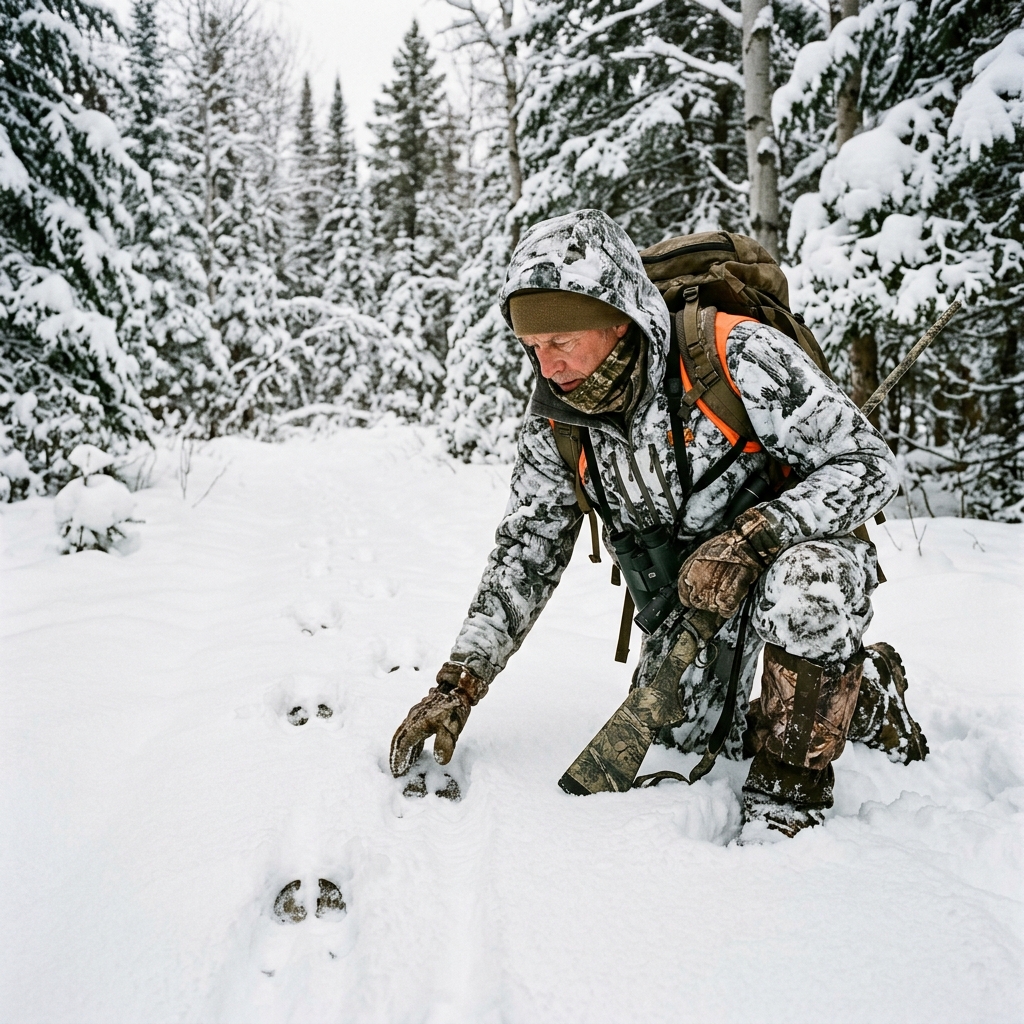
Hunt deer in fresh snow: post-storm timing, track reading, J-hook counters, winter food sources, safety gear, and late-season stand tactics.
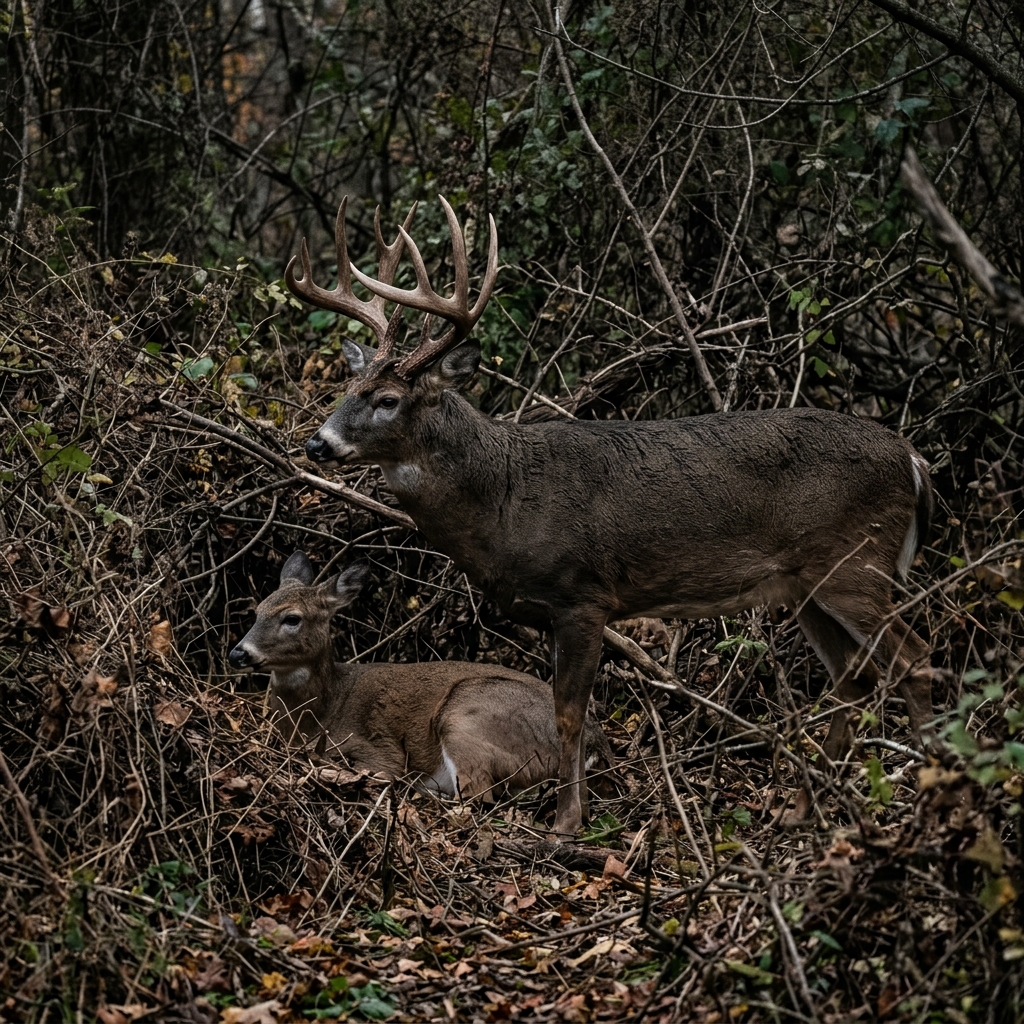
When the rut goes quiet, hunt lockdown micro-cover, swamp islands, and slow still-hunts—with timing, gear, and safety for the tending phase.
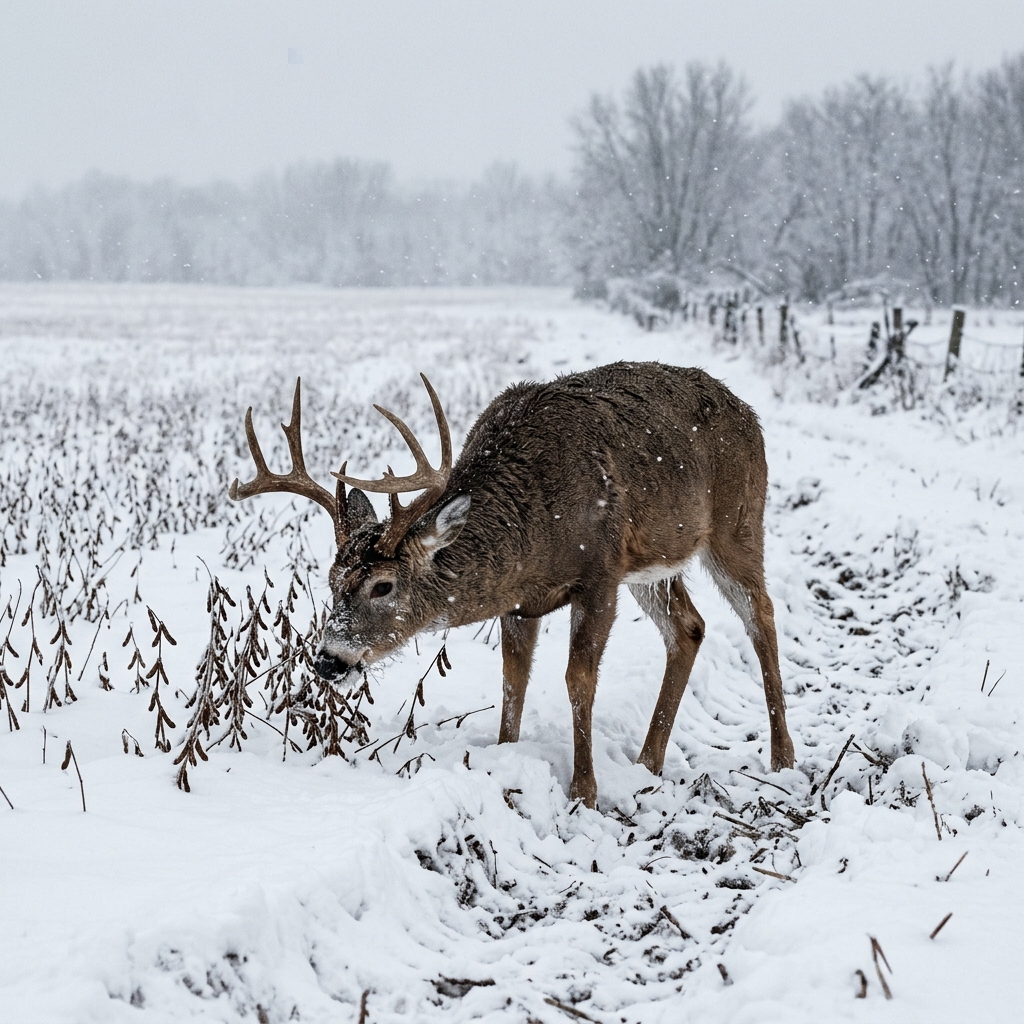
Hunt post-rut bucks on brassicas, standing beans, corn, and browse. Focus warm beds to food trails in the last daylight hours when calories rule movement.
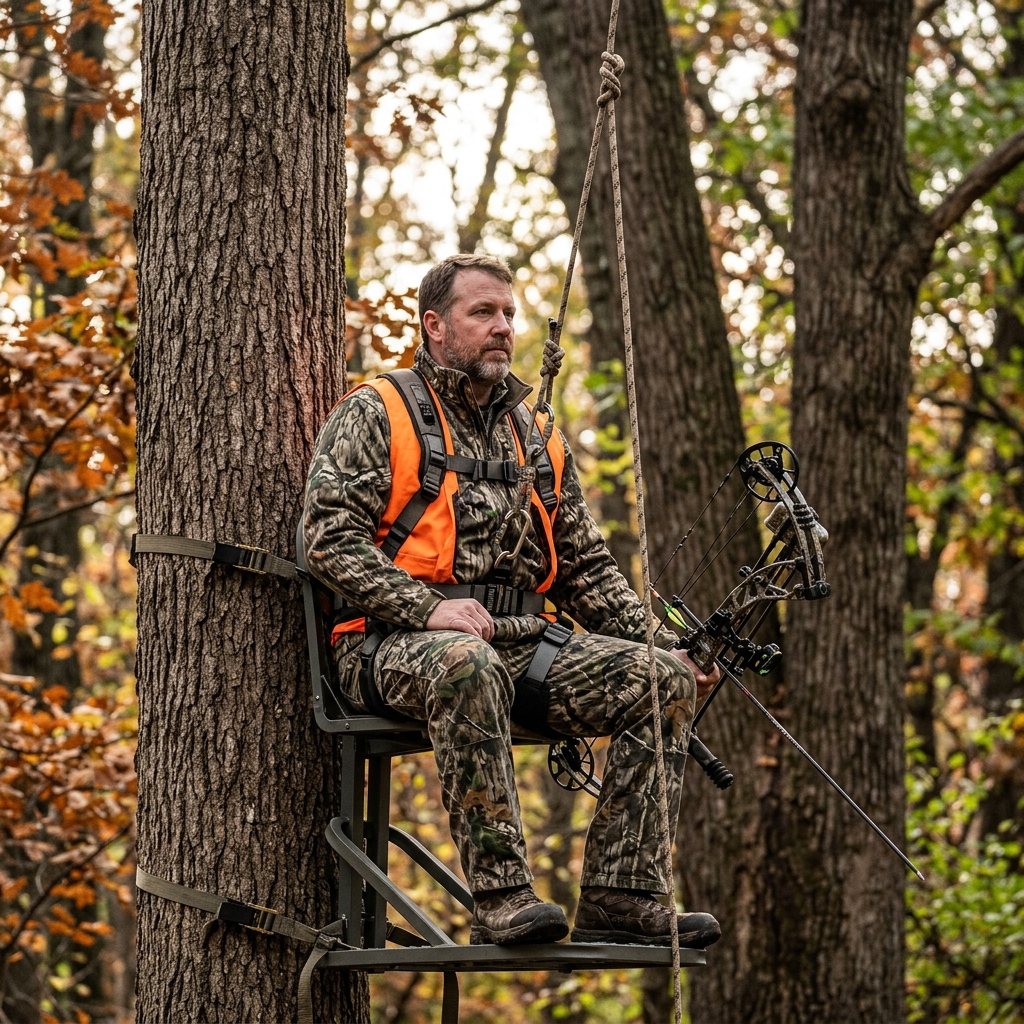
Falls are the top serious injury risk in deer hunting. Learn lifelines, full-body harnesses, suspension relief, and gear replacement rules that keep you alive.
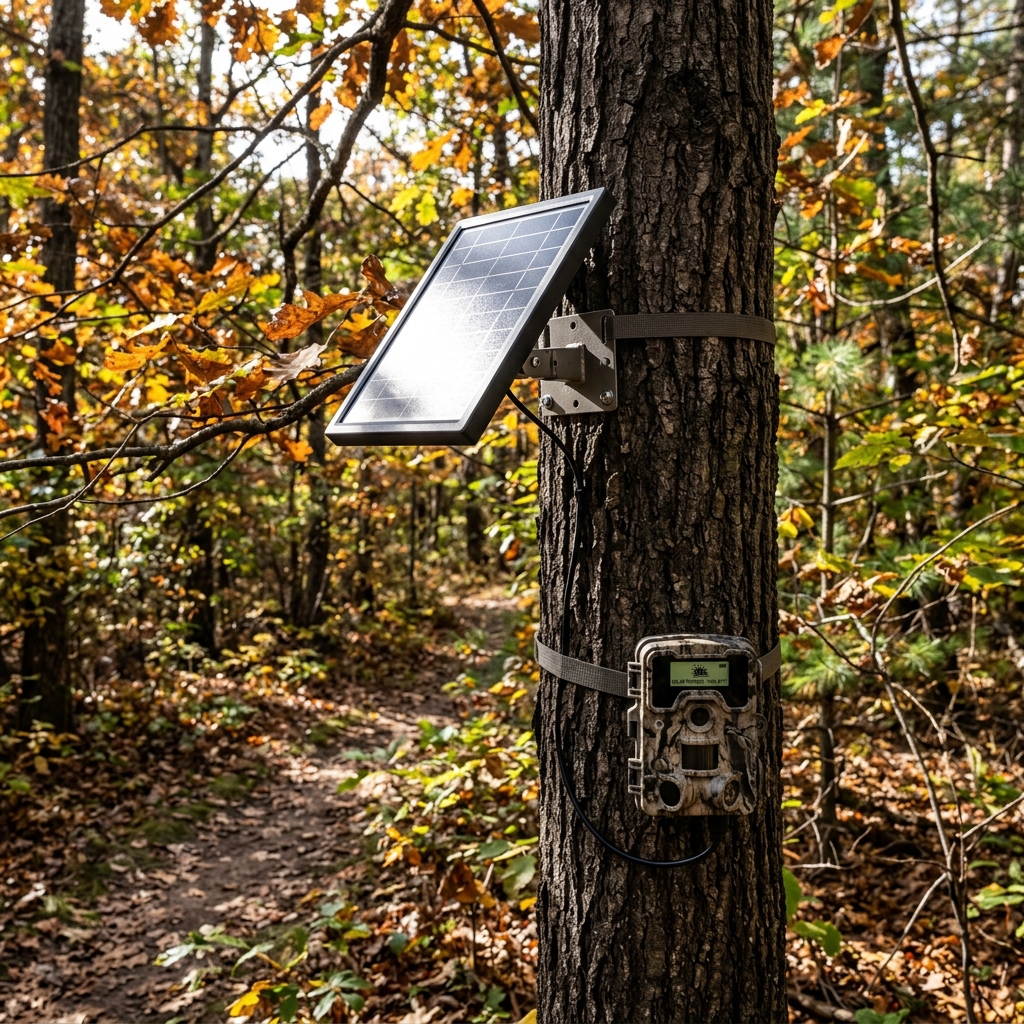
Maximize trail camera battery life with lithium AAs, solar panels, and batched uploads so you check cameras less and spook fewer mature bucks.
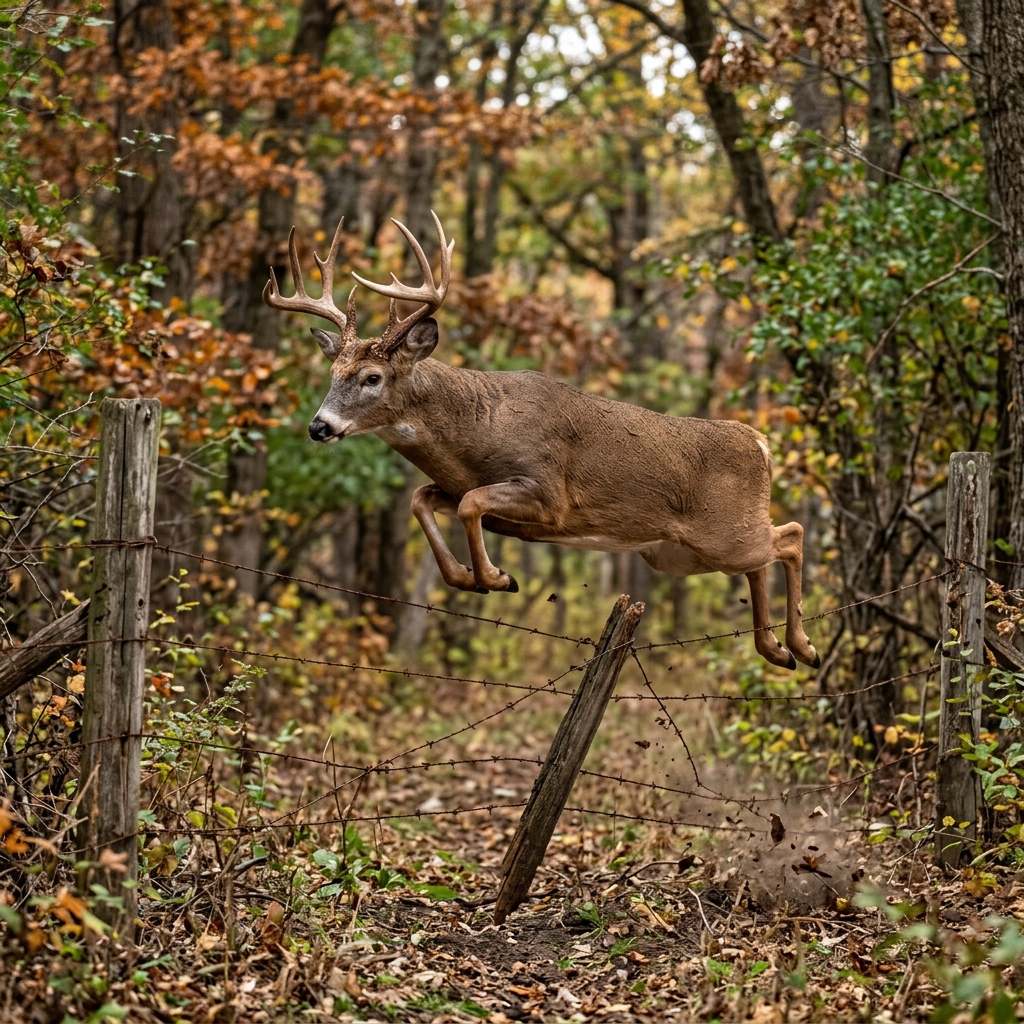
Find fence jumps, ditch washouts, culverts, and ridge saddles that pinch deer into predictable 10-yard lanes for close archery shots on small properties.
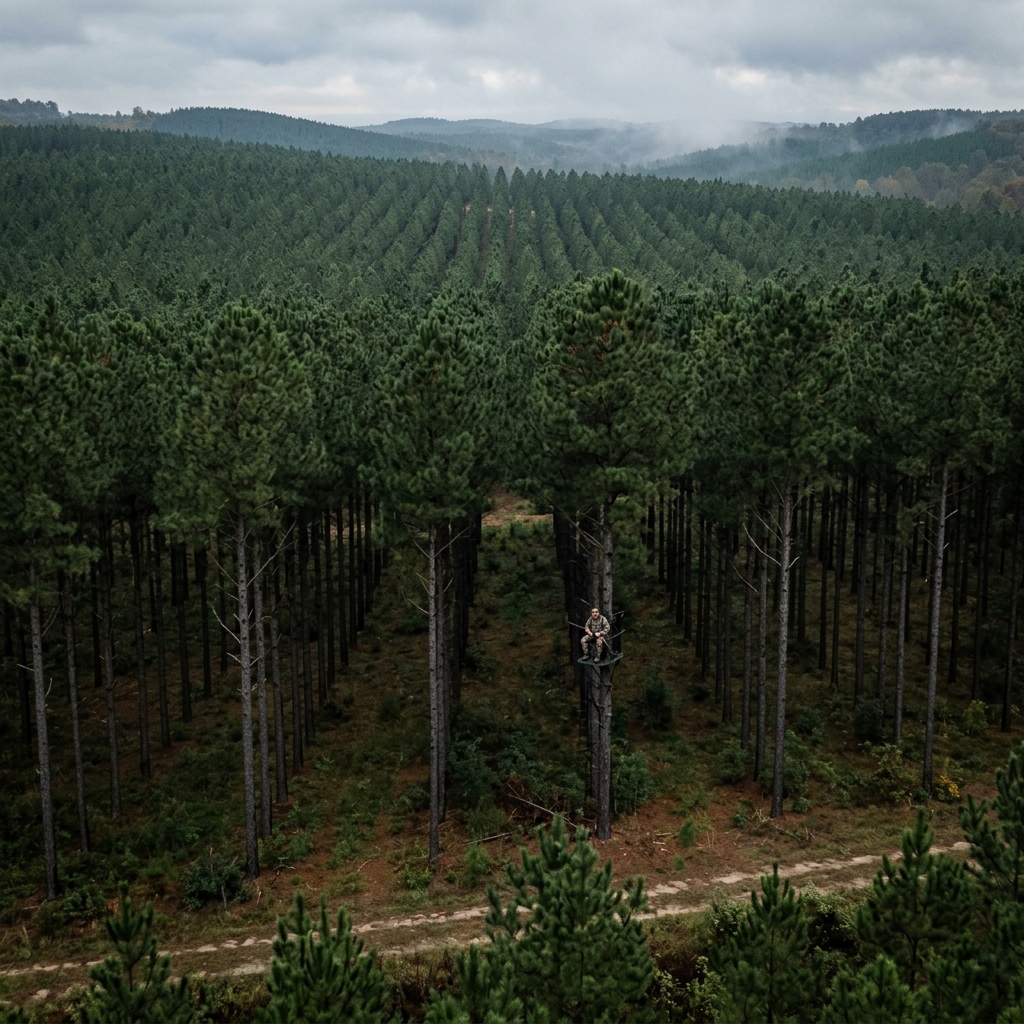
Pine plantations look sterile but hide structured whitetail cover. Learn age classes, thinning rows, hardwood edges, and GPS habits for monoculture timber.
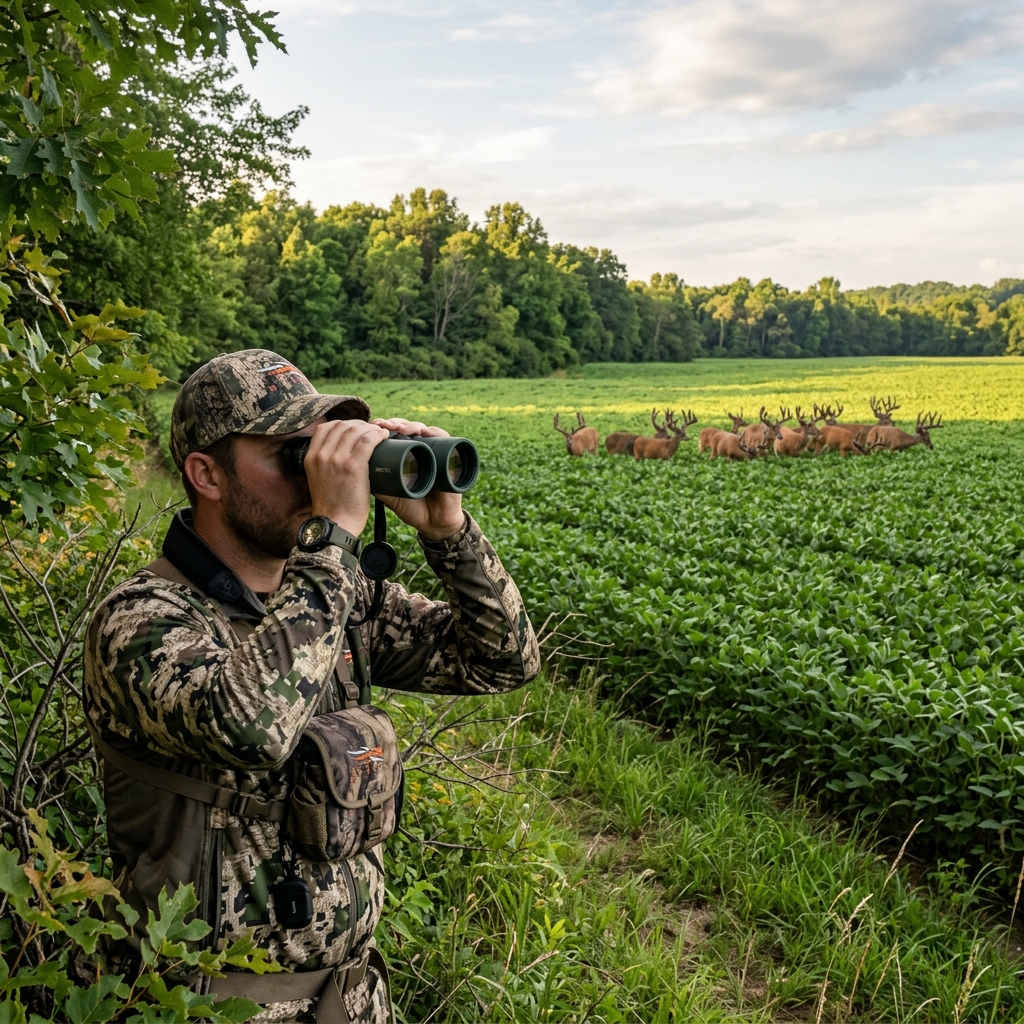
Build your fall hit list in July and August. Learn how to glass velvet bachelor groups, map entry trails, and turn summer sightings into early-season stands.
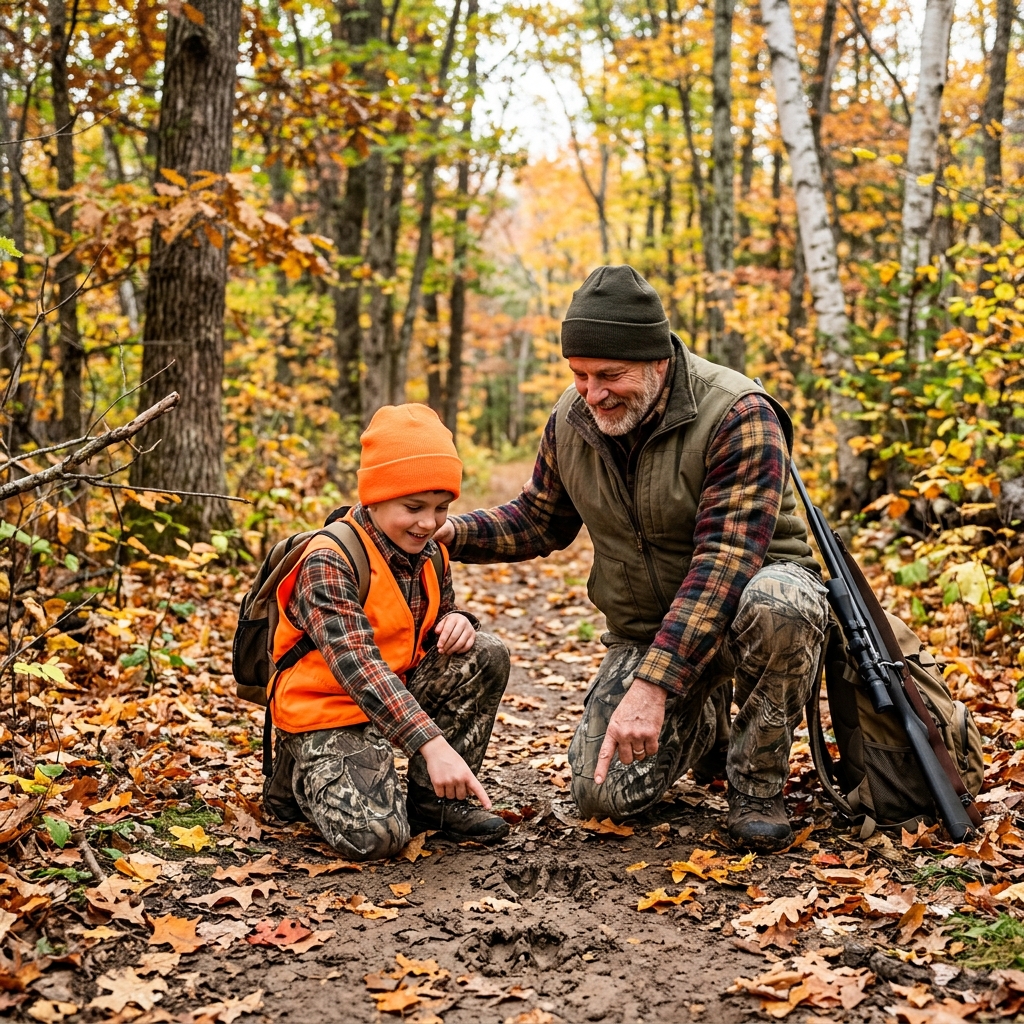
Mentor youth hunters the right way: short sits, ground blinds, snack morale, low-recoil fitment, and safety habits that make kids eager for the next trip.
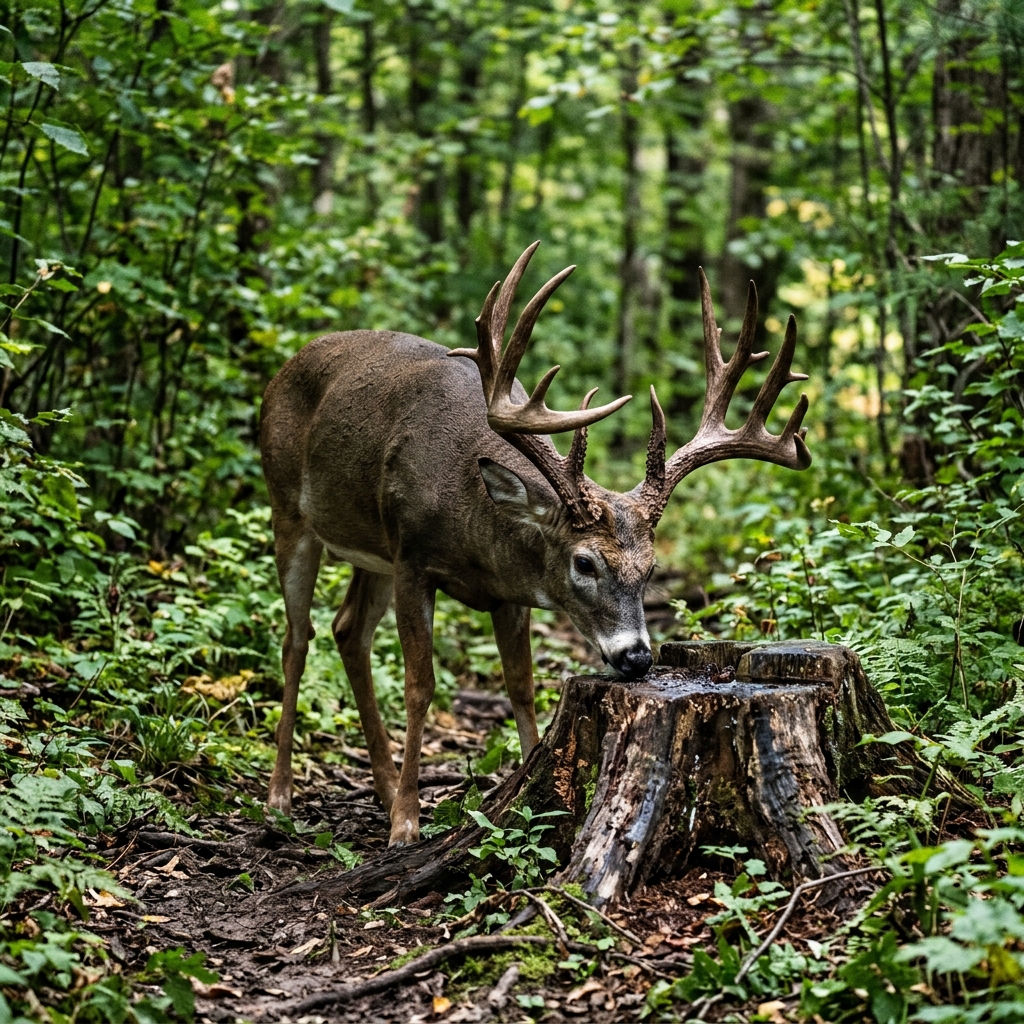
Build mineral sites that aid antler growth and herd health. Learn timing, calcium-phosphorus ratios, stump-lick setup, and critical baiting vs CWD rules.
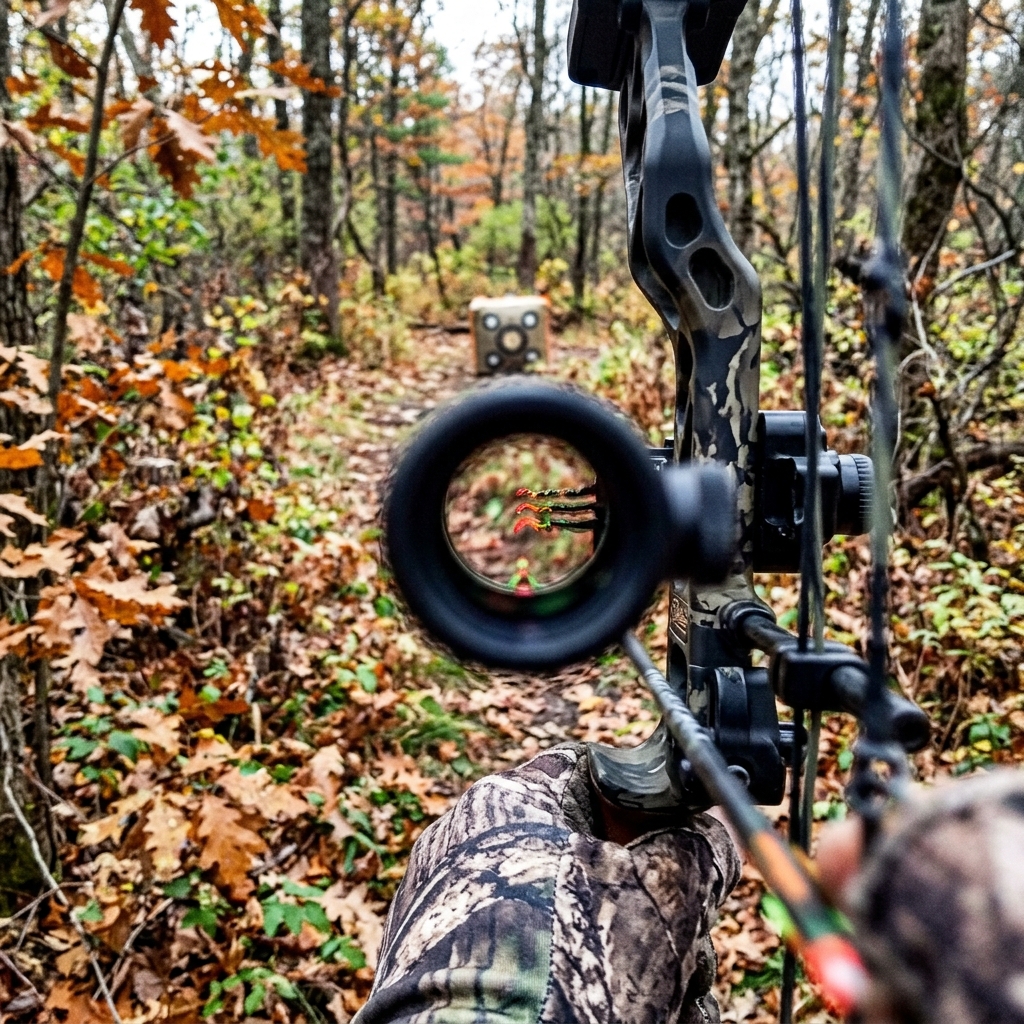
Freeze or punch the trigger at full draw? Learn what target panic is, blind-bale drills, hinge releases, and a patient plan to rebuild archery confidence.
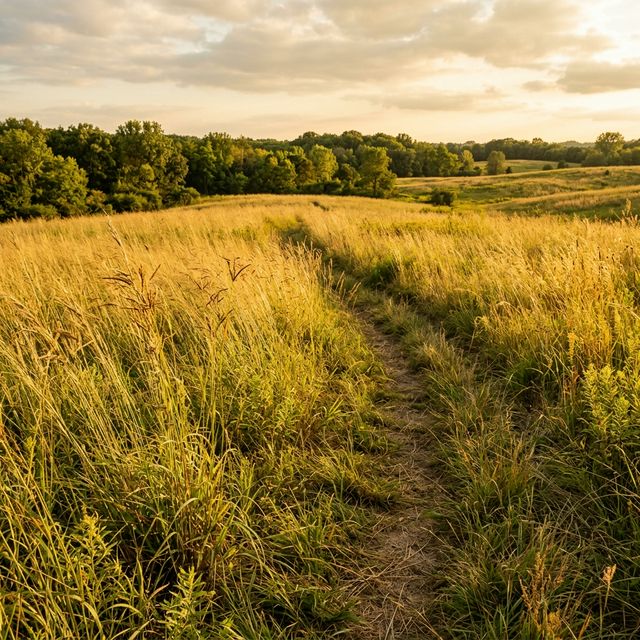
Plant switchgrass and native warm-season grasses for bedding and fawning cover—year-by-year growth, glyphosate prep, no-till tips, and burn maintenance.
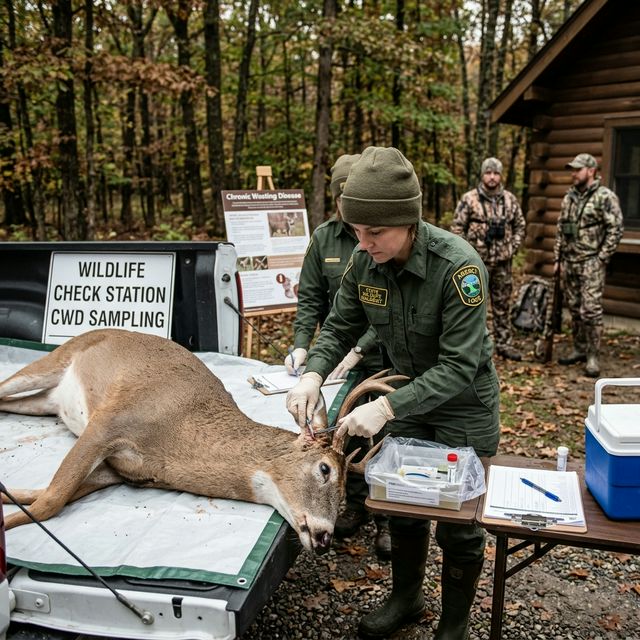
CWD is a fatal prion disease threatening whitetails. Learn symptoms, testing, carcass rules, field-dressing precautions, and how hunters slow the spread.
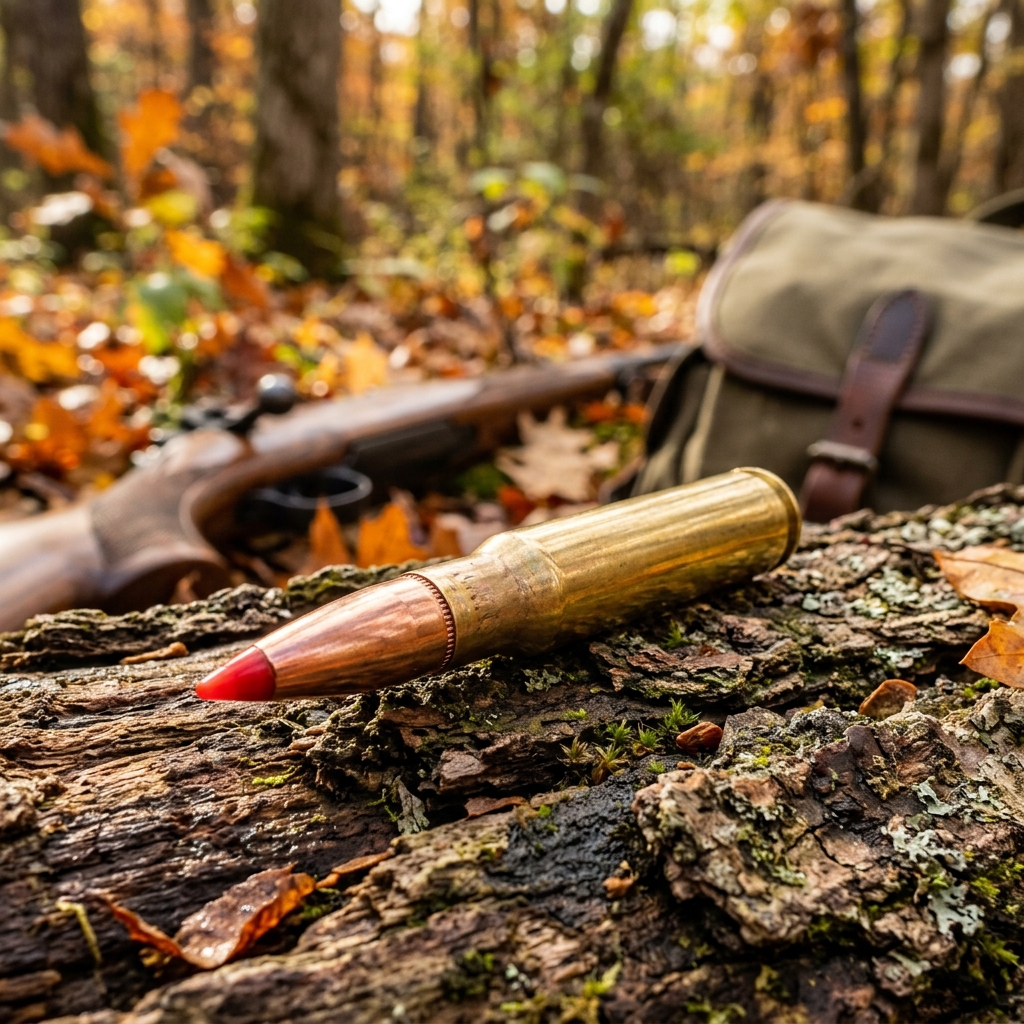
Compare .270, .30-06, .308, 6.5 Creedmoor, and .243 for whitetails—recoil, trajectory, woods vs field use, and what actually makes ethical kills.
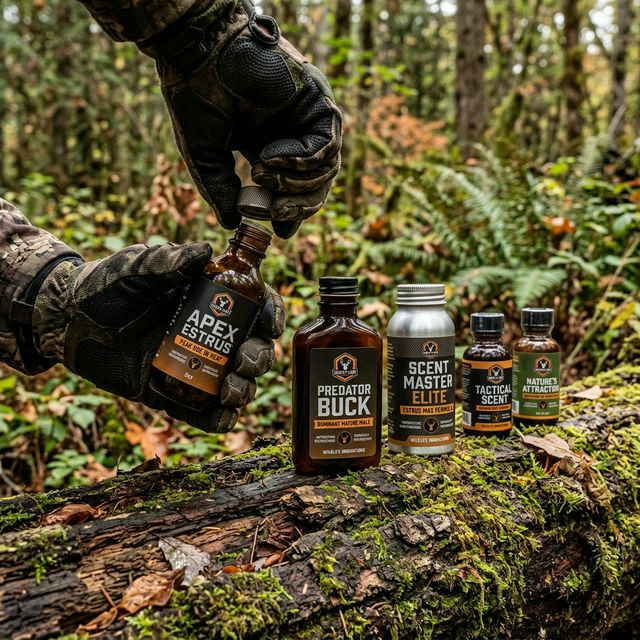
Learn when to use estrus, buck urine, and curiosity scents. Match deer lures to the season, stay CWD-legal, and apply scent-drags that work.
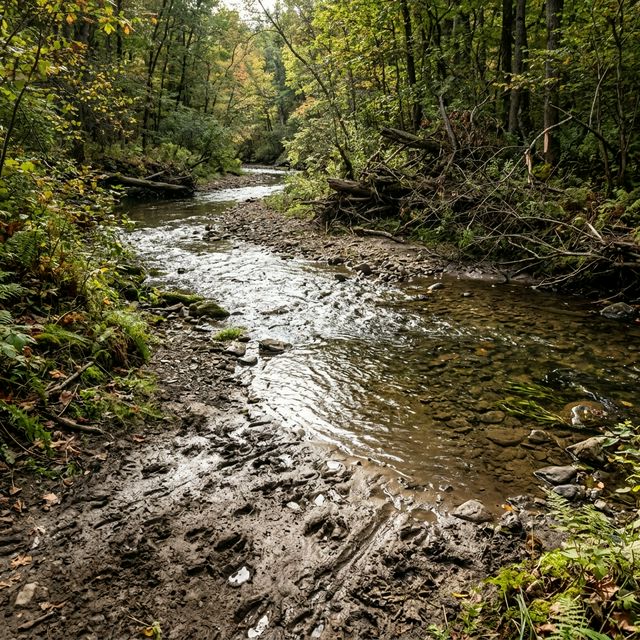
Hunt river bottoms and creek crossings: find hard-bottom fords, oxbow beds, riparian thermals, boat access tactics, and flood-safety rules Practical tips.
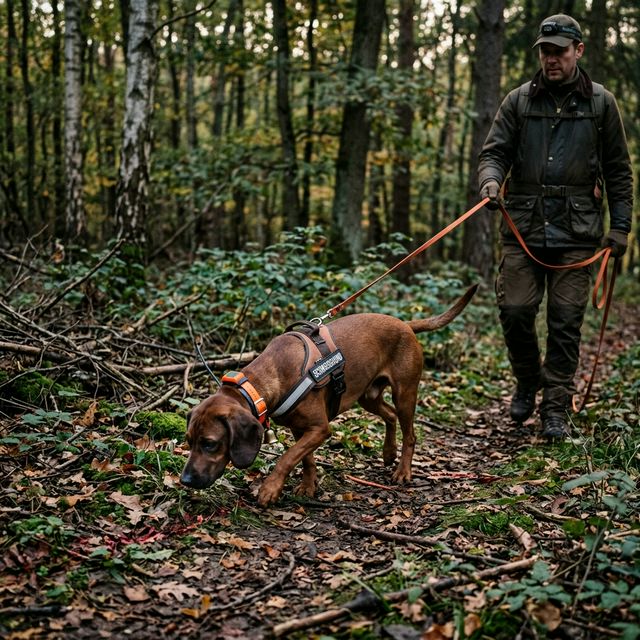
When blood fades, a trained tracking dog follows scent humans cannot see. Learn breeds, hunter etiquette, legality, and night safety for ethical K9 finds.
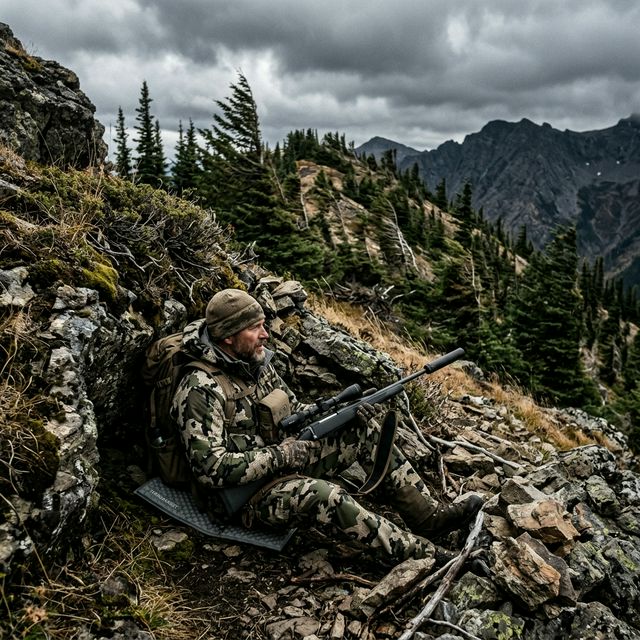
Deer still move in high wind—they shift to leeward cover. Learn ridge tactics, ground stalking advantages, stand cutoffs, and widowmaker safety rules.
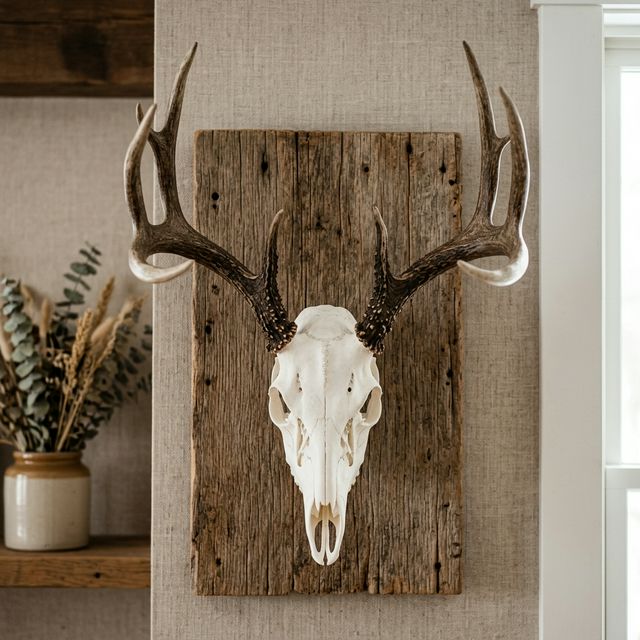
Save on taxidermy with a museum-quality European mount. Step-by-step maceration, degreasing, and peroxide whitening for a lasting whitetail skull.
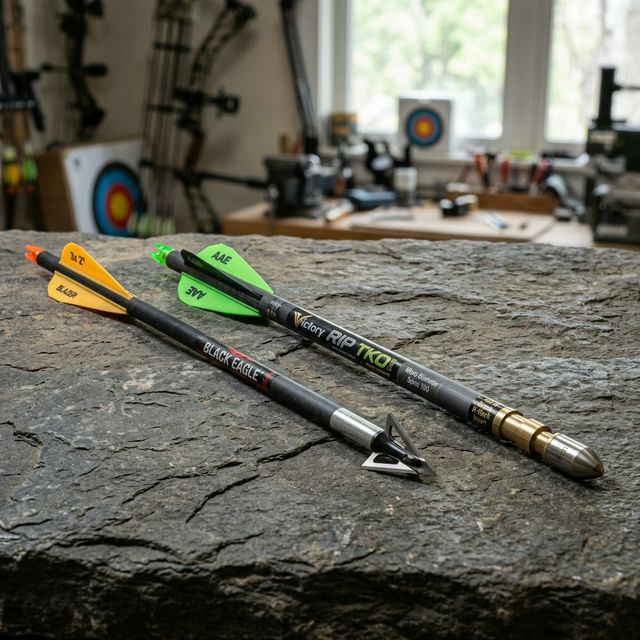
Speed vs penetration for bowhunting: compare arrow weight, kinetic energy, momentum, and FOC so your setup delivers ethical pass-throughs on whitetails.
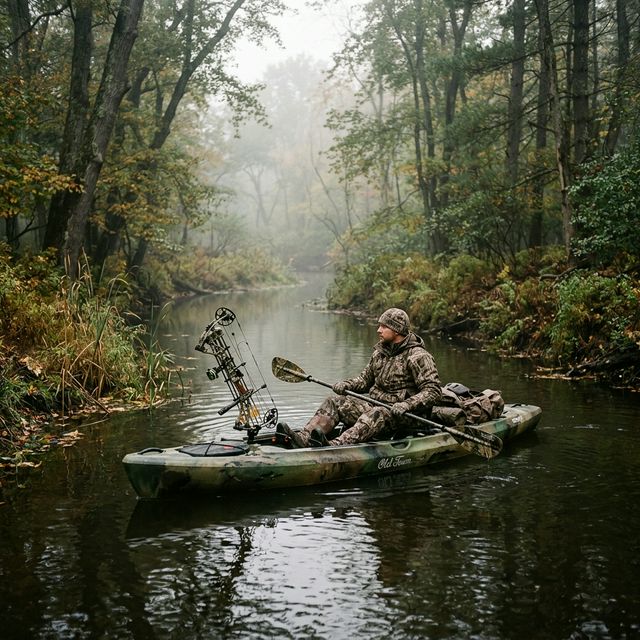
Reach remote public-land bucks by kayak or canoe. Learn scent-free water entry, island bedding tactics, pack-out logistics, and cold-water safety.
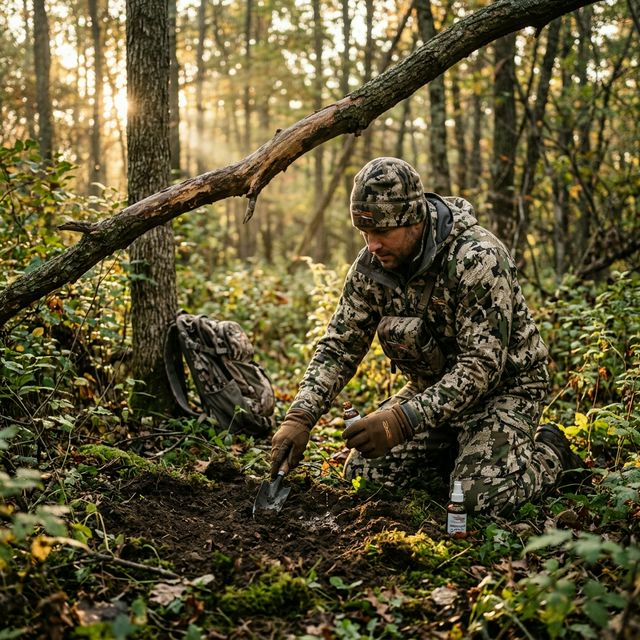
Build mock scrapes that mature bucks trust: licking branches, scent discipline, August timing, and staging setups for clean daylight bow shots.
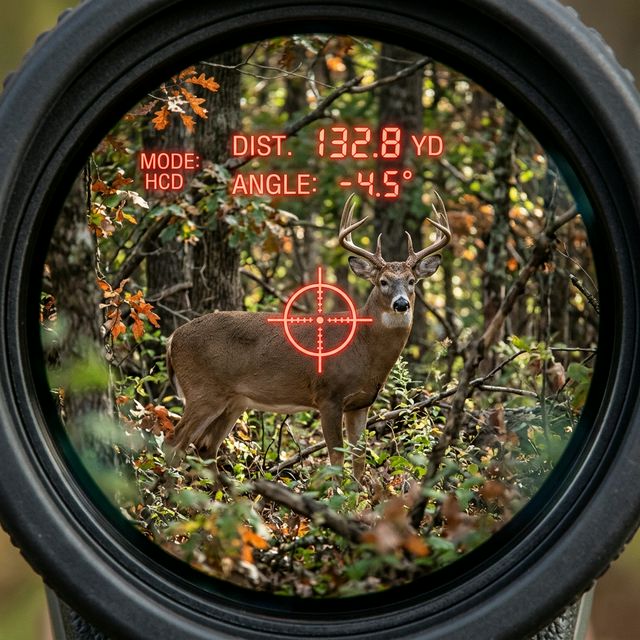
Bowhunters live or die by yardage. Learn landmark ranging, mental maps, ARC angle math, and odd-yardage practice for when lasers fail in the timber.
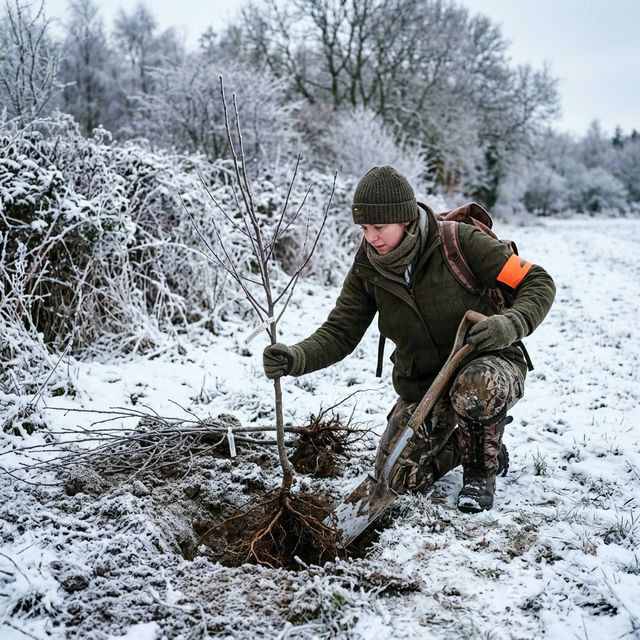
Use late winter for frost-seeding clover and planting dormant fruit trees. Get timing, seeding rates, cages, and protection tips that pay off next fall.

Pre-season gear prep that prevents opening-day failures: rifle cold-bore checks, bow paper tuning, scent-free laundry, and tree-stand strap replacement.
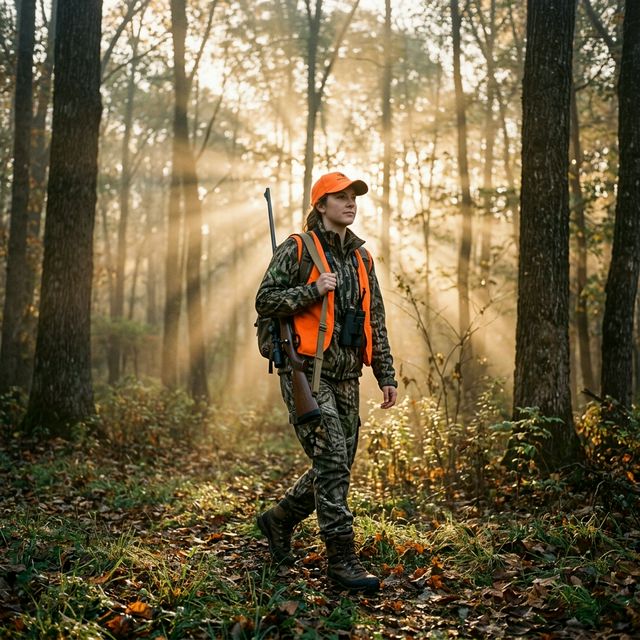
New to deer hunting? Learn hunter ed, basic gear, calibers, public-land access, scouting basics, safety, and realistic expectations for your first season.
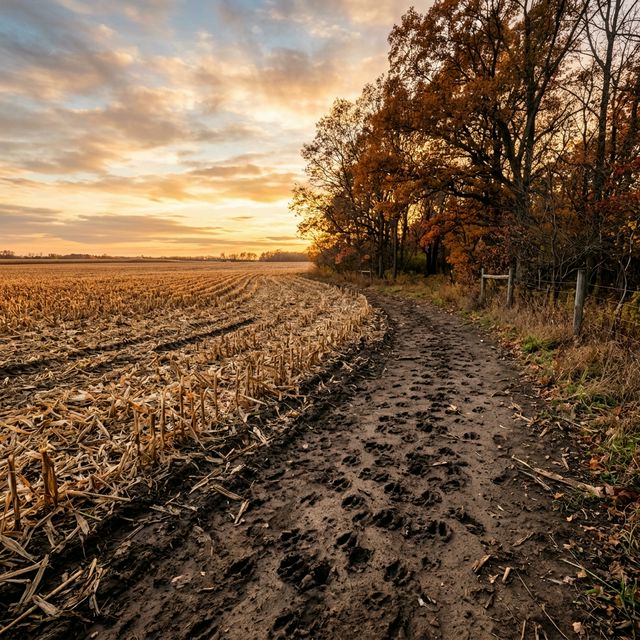
Farm-country field edges and big-timber browse country demand different tactics. Learn staging areas, pinch points, soft edges, and safety for both landscapes.
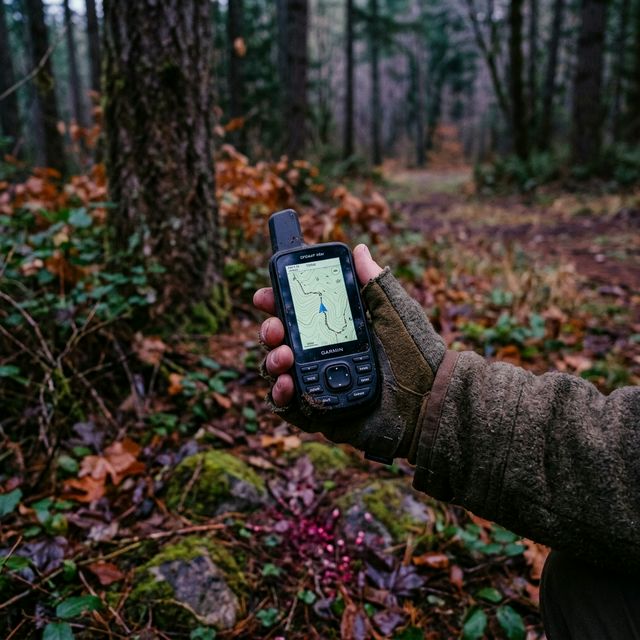
Must you leave a wounded deer overnight? Learn temperature windows, bone-sour signs, salvage rules, and when waiting overnight still keeps venison safe to eat.
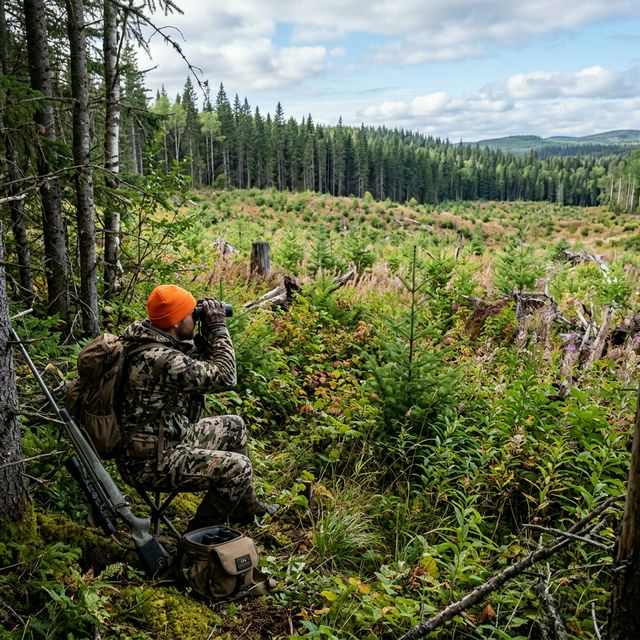
Fresh clear-cuts look ugly to hunters but are whitetail paradise. Learn age-class timing, logging-road ambushes, and early successional cover tactics.
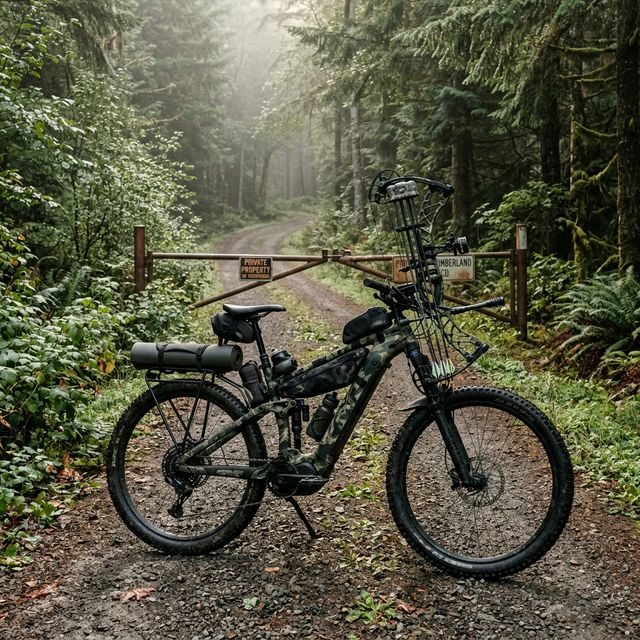
Fat-tire e-bikes cut sweat scent and boot tracks on public land. Learn motor class rules, quiet access tactics, battery safety, and legal ride limits.
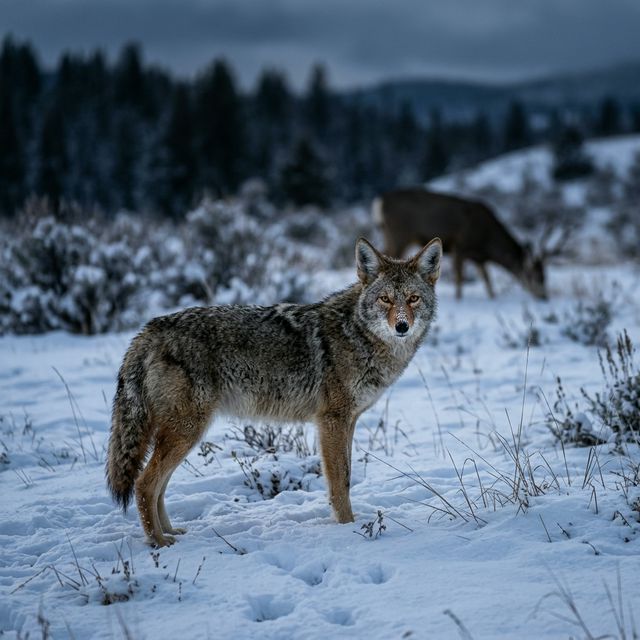
Coyotes and wolves reshape deer herds through fawn recruitment and fear—why cover beats random control, plus safer night-recovery habits for hunters.
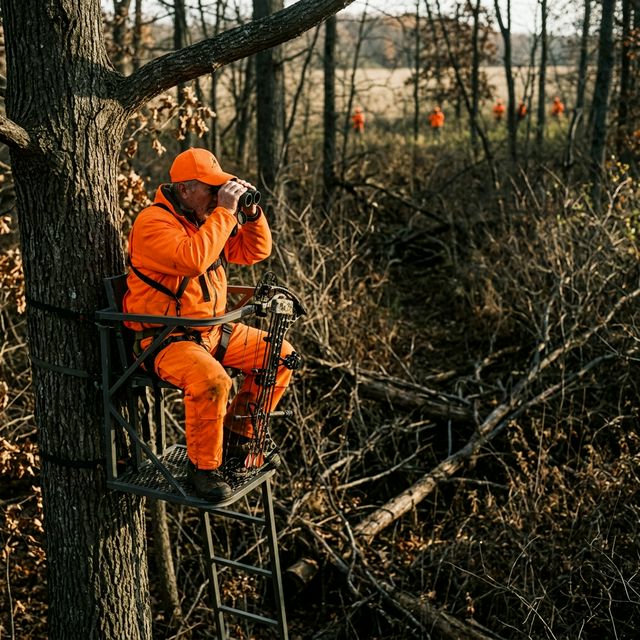
Turn opening-day gun pressure into opportunity: escape routes, the 10 a.m. push, thick-cover stands, safe target ID, and all-day sit tactics.
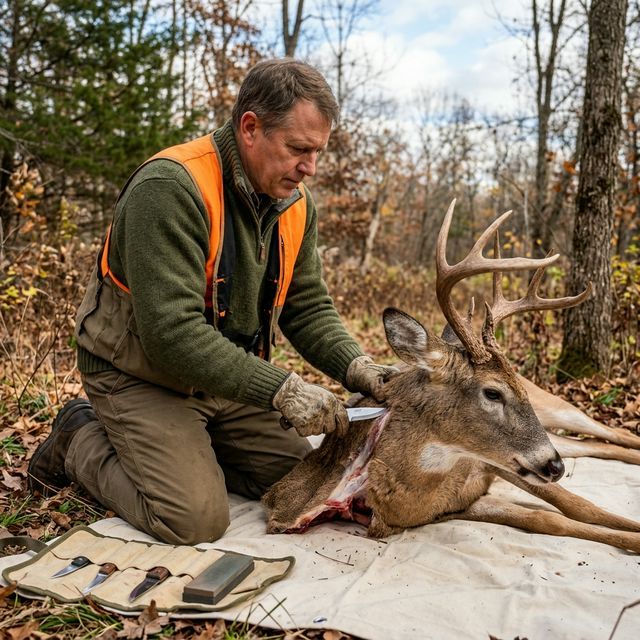
Don't short-cape a trophy buck. Use the rule of threes, safe face cuts, and cooling steps so your taxidermist can build a clean, lasting shoulder mount.
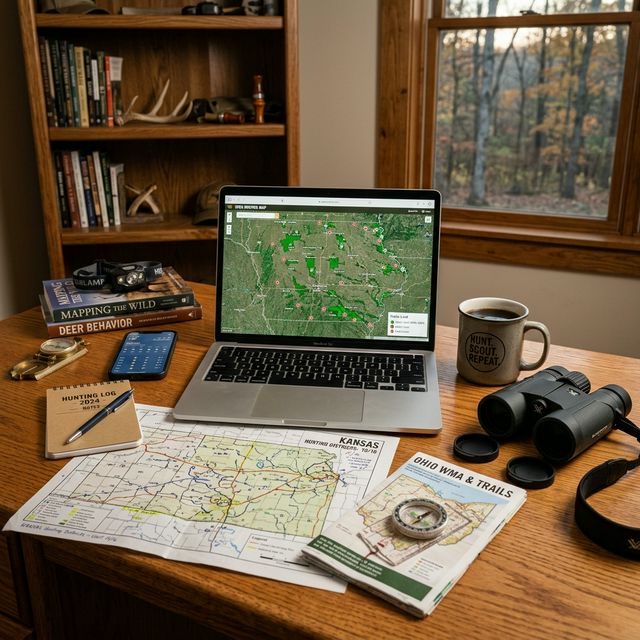
Plan a DIY Midwest whitetail trip: preference points, OTC states, real budgets, e-scouting, CWD rules, and a day-by-day public-land game plan.
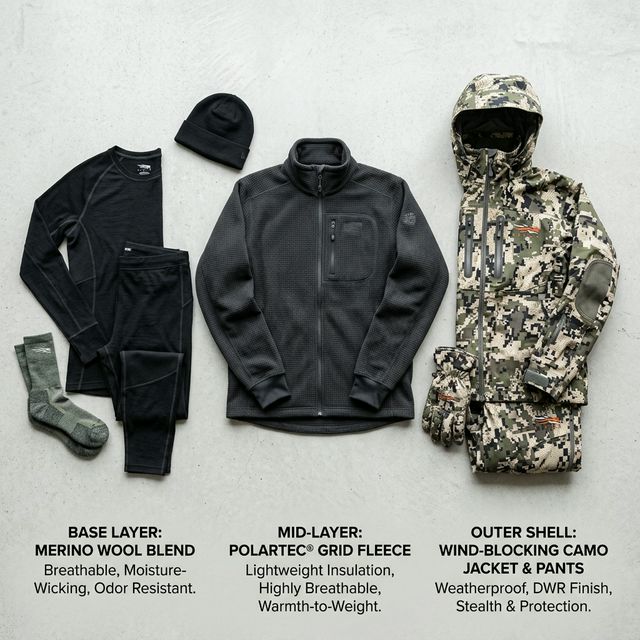
Build a cold-weather deer hunting layering system: merino bases, lofted mids, silent wind shells, plus foot and hand tactics for all-day late-season sits.
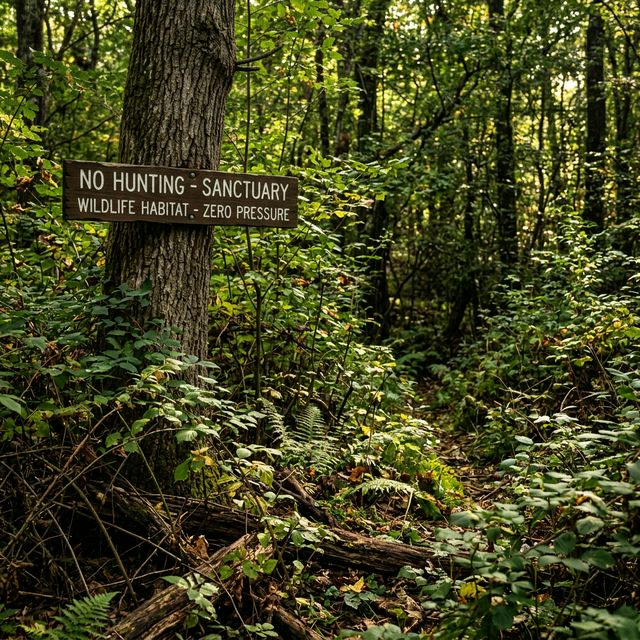
Build a true whitetail sanctuary on 20-40 acres: size ratios, hinge-cut cover, zero-entry rules, and edge setups that hold mature bucks tight.
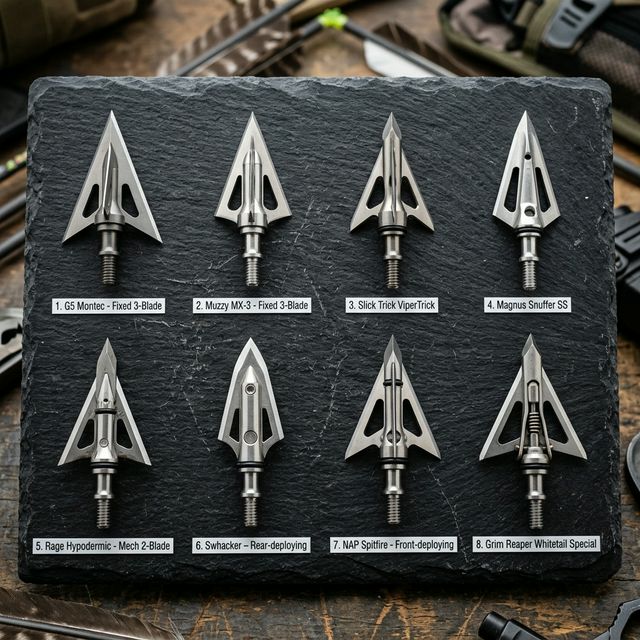
Fixed vs mechanical broadheads compared by KE, tuning, cut diameter, and reliability. Pick the head that matches your draw weight and guarantees pass-throughs.
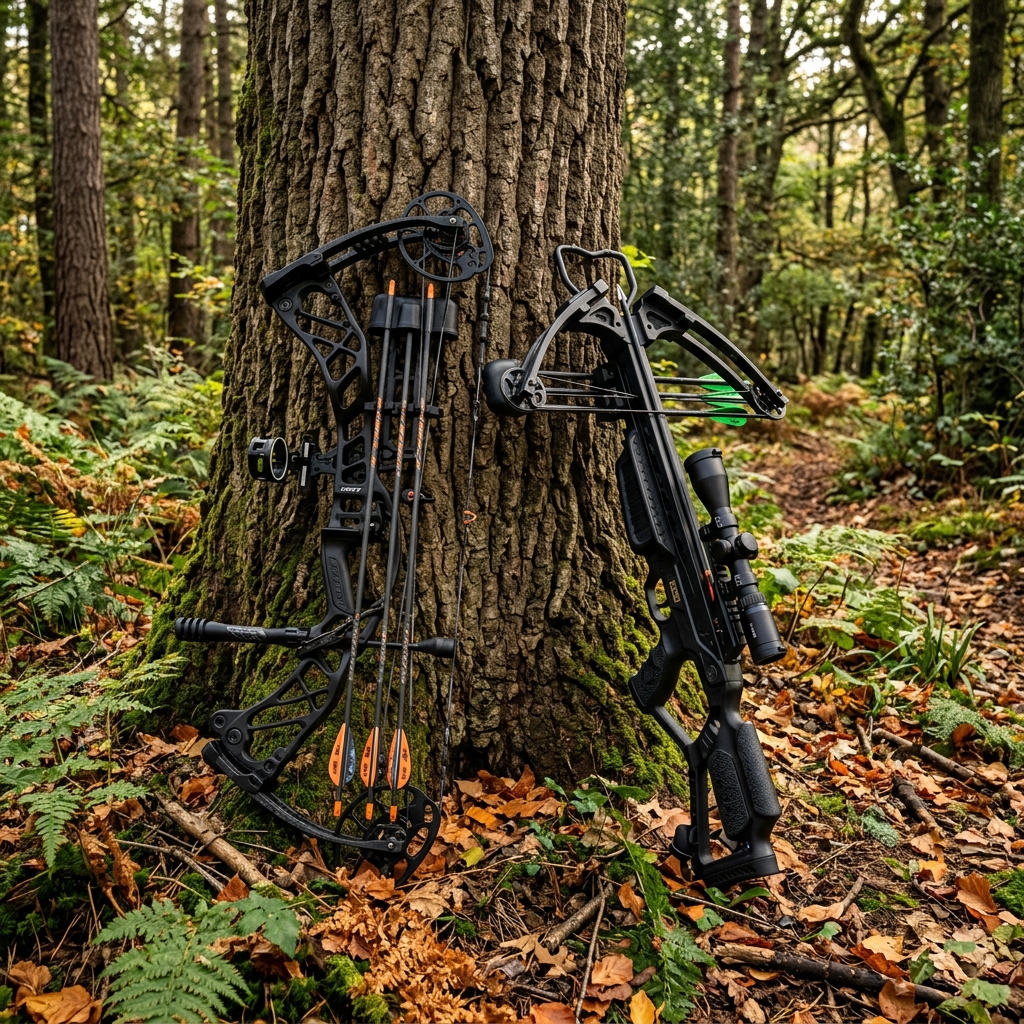
Compare crossbow vs compound for whitetails: maneuverability, learning curve, range, jump-the-string, and safety so you pick the bow that fits your hunts.
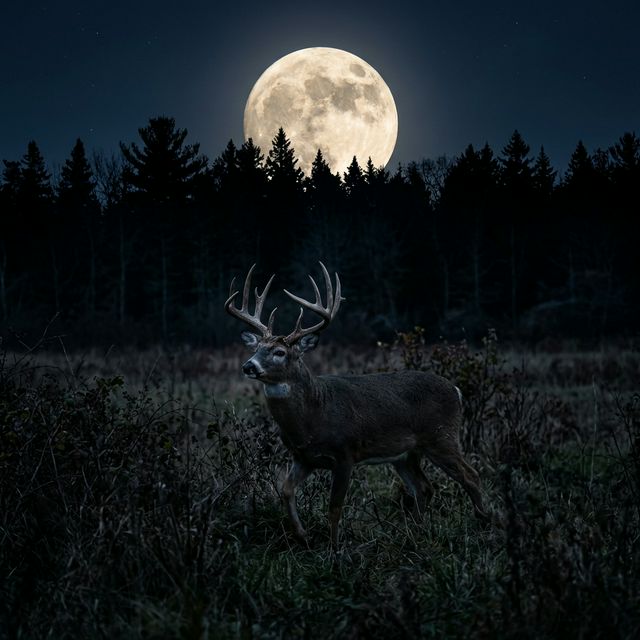
Solunar majors, full-moon midday moves, and why cold fronts still beat moon apps—use lunar timing as a tie-breaker backed by your own camera data.
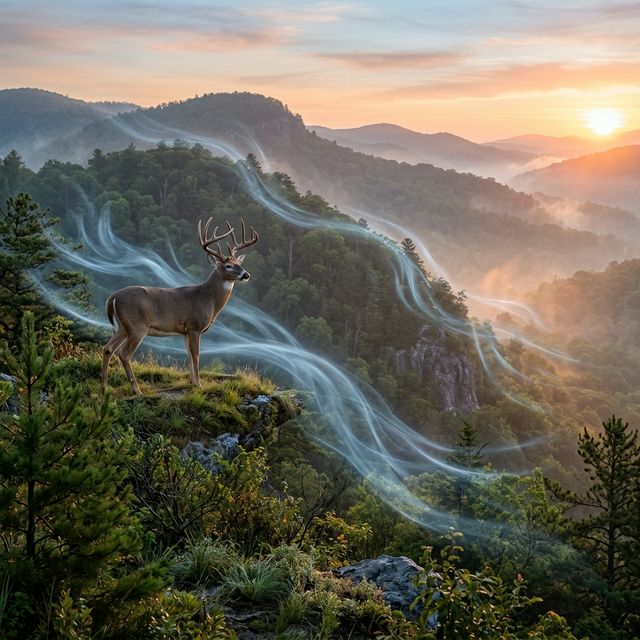
Master morning and evening thermals for whitetail hunting. Learn how rising and falling air move scent—and how mature bucks bed to use both.
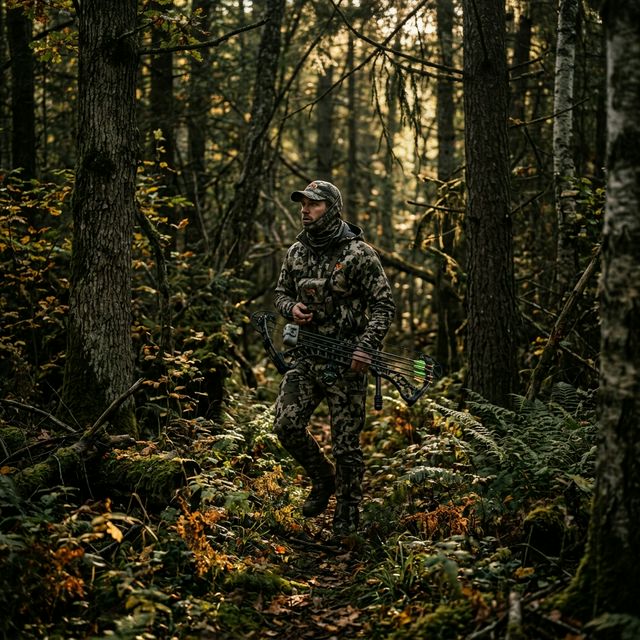
Learn still hunting vs spot-and-stalk for whitetails: silent footwork, wind play, glassing beds, and when moving beats sitting in a stand all day.
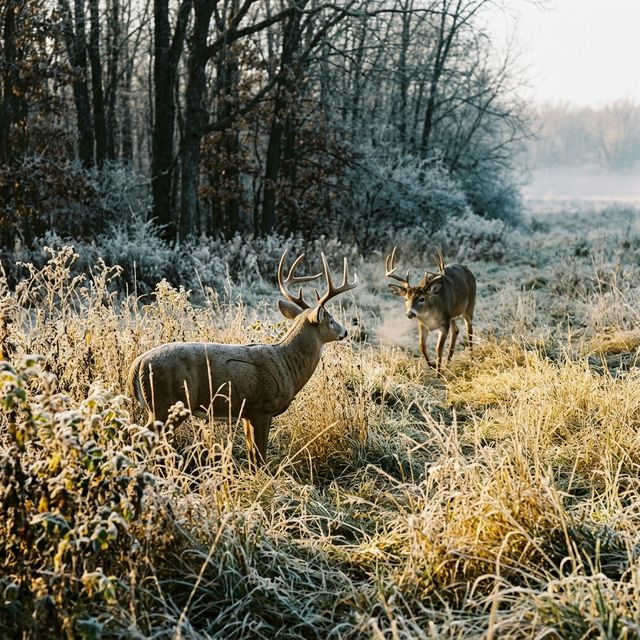
Deploy whitetail decoys that work: reverse-angle setups, scent geometry, buck vs doe postures, calling pairings, and blaze-orange safety rules.
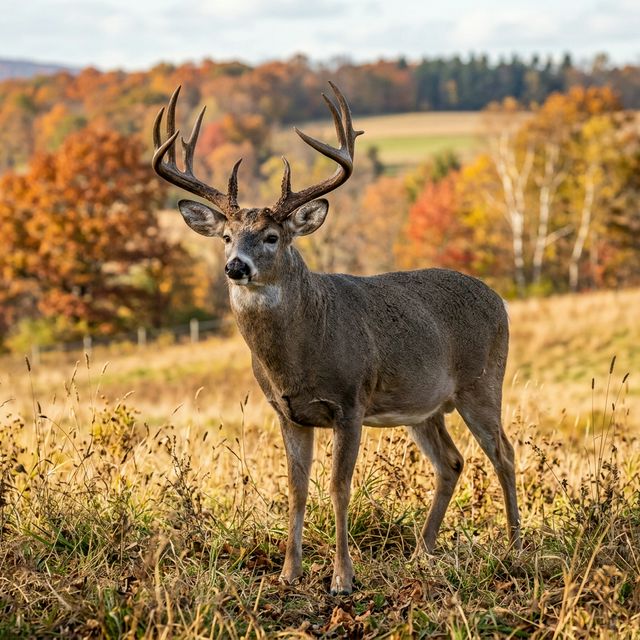
Estimate a buck's age before you shoot. Read body mass, neck junction, tarsals, and post-mortem tooth methods so antlers stop fooling harvest decisions.
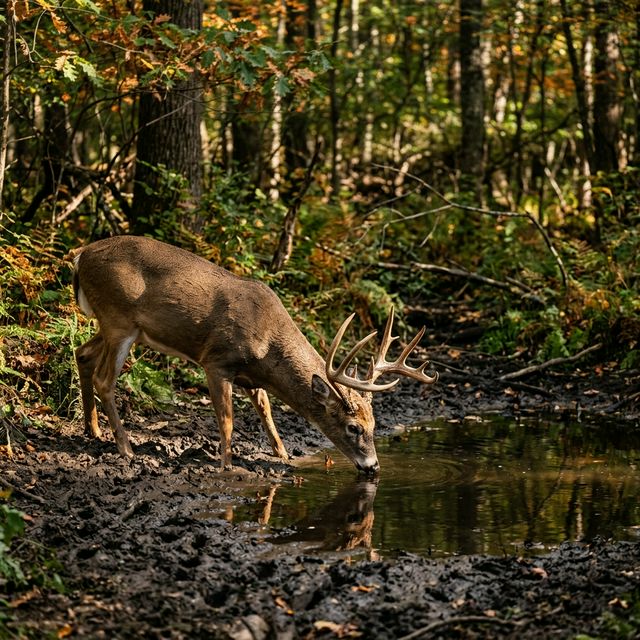
Learn when whitetails drink, how to find secluded kill water, beat thermal pooling, and set scent-safe tanks that pull daylight bucks reliably.
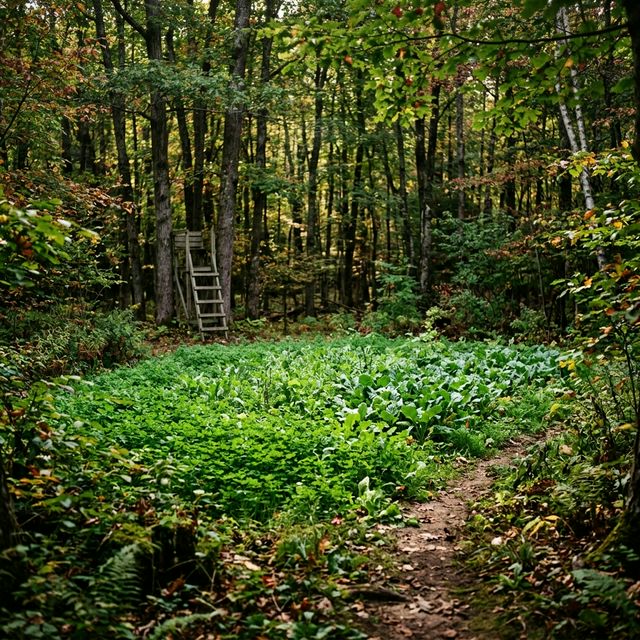
Build no-till micro food plots with a blower, rake, lime, and clover or rye. Hunt them as kill plots—not herd feeders—with quiet access and light pressure.
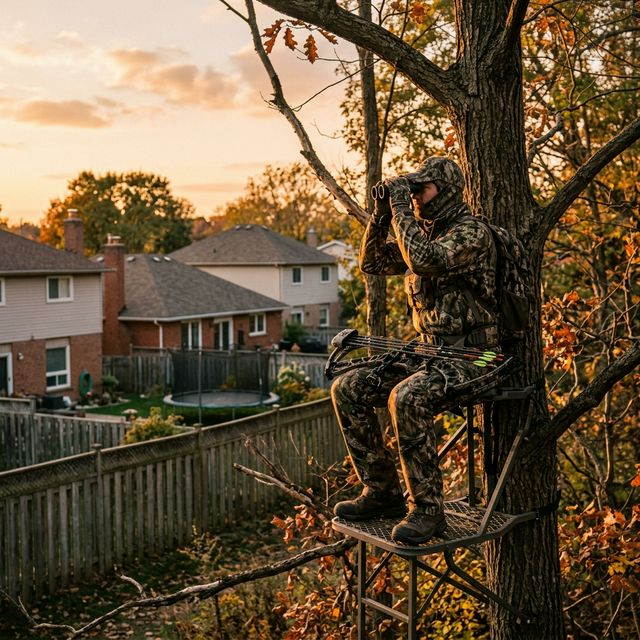
Hunt suburban whitetails ethically: discreet access, micro-bedding cover, wind quirks near houses, high-odds shots, and quiet recovery work.
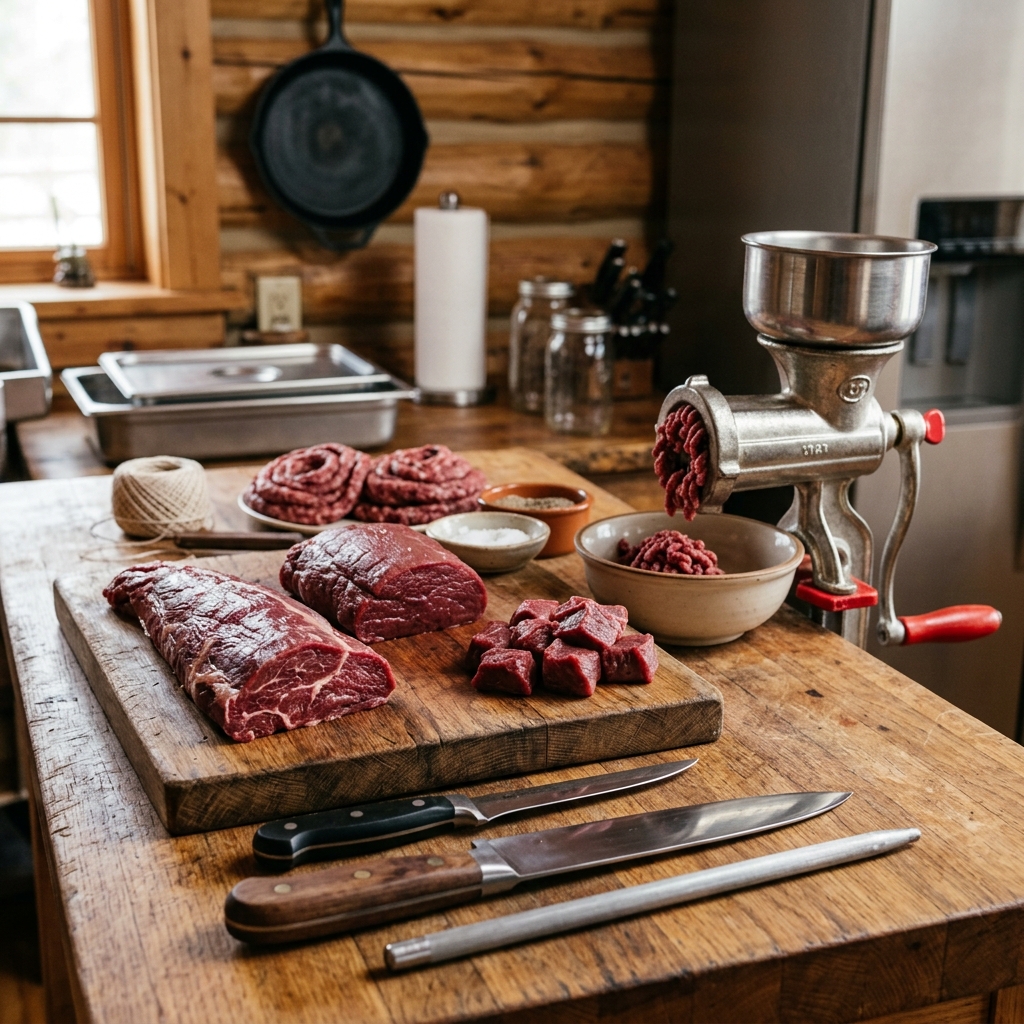
Process your own deer at home with seam butchery, aging tips, essential tools, sanitation rules, and freezer packaging that protects flavor.
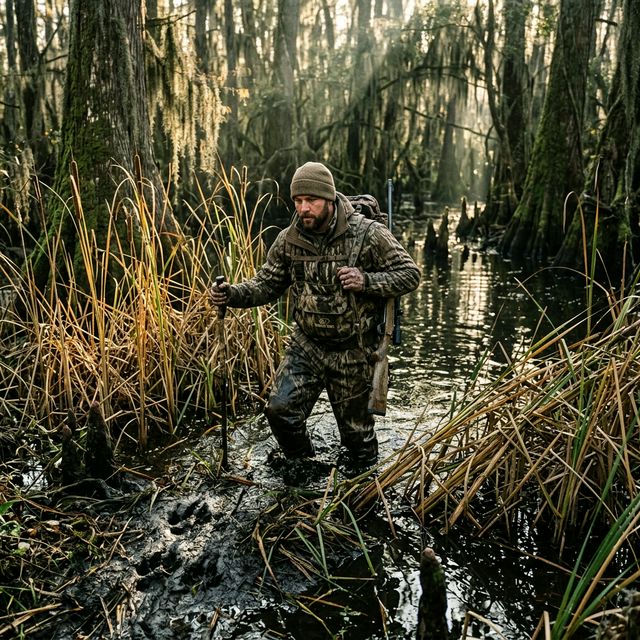
Hunt swamp bucks with micro-island scouting, kayak access, wader routes, wind cover, and safety habits for flooded timber and cattail marshes.
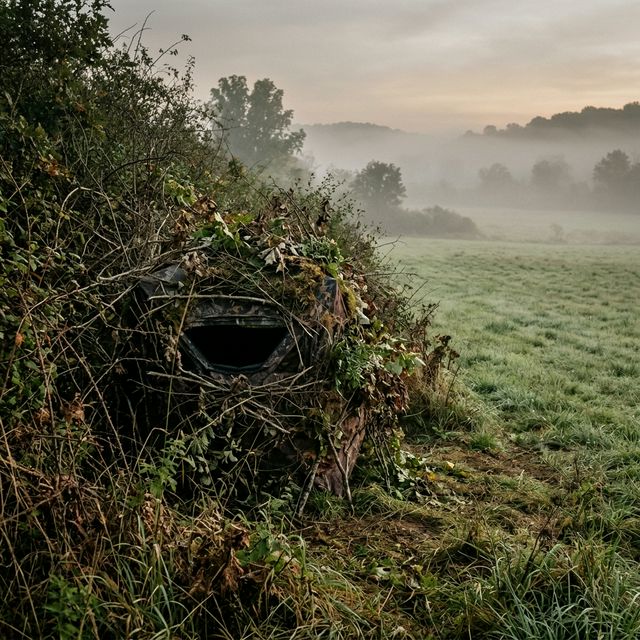
Master ground blinds for whitetails: black-out clothing, brushing-in, wind, mesh choice, heater safety, and setups that hide you at eye level.
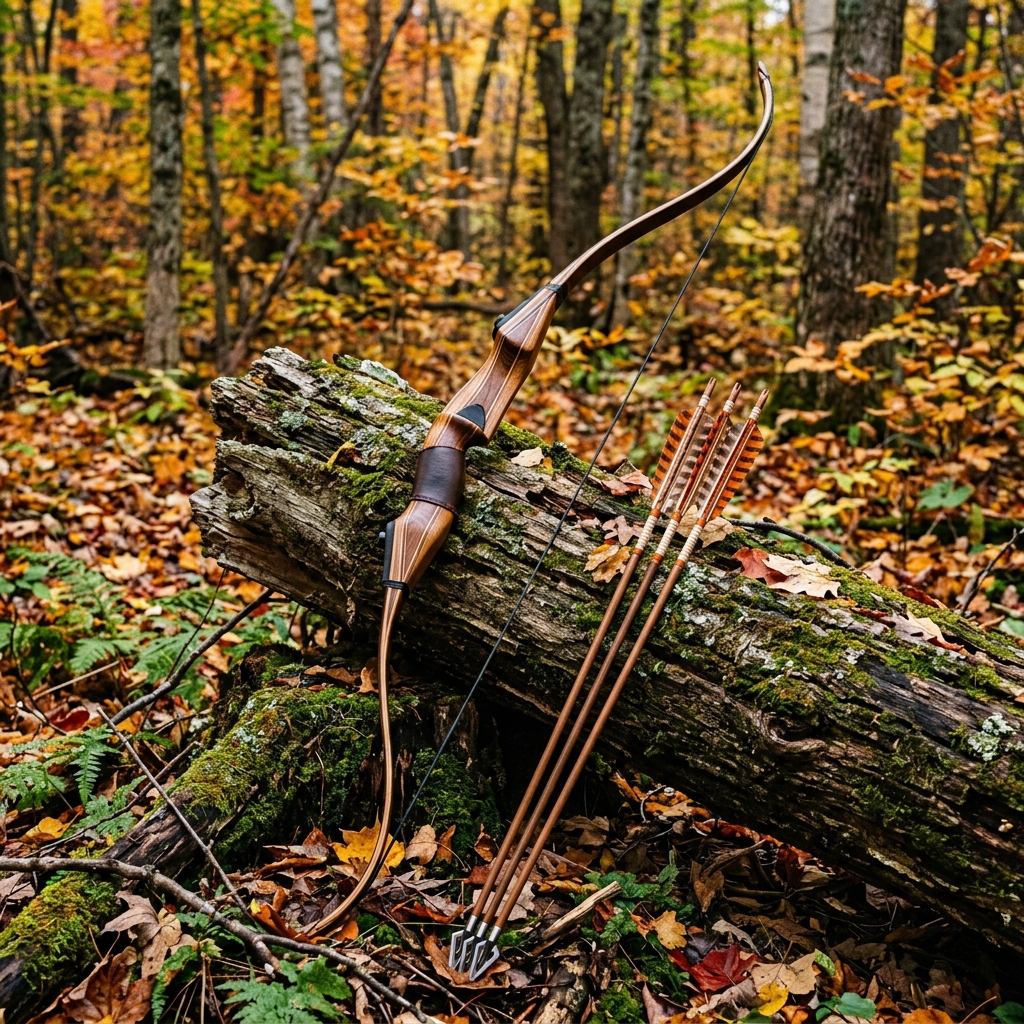
Hunt whitetails with a recurve or longbow: instinctive form, close-range setups, heavy arrow FOC, broadhead ethics, and transition plans Practical tips for.
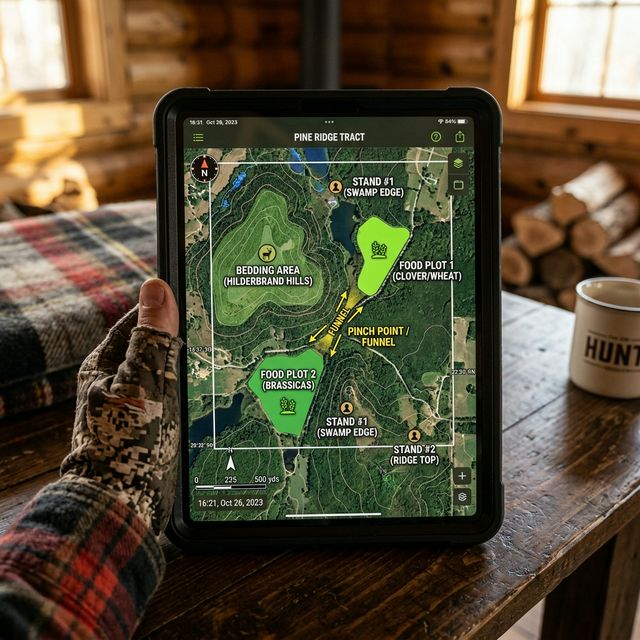
Master e-scouting for whitetails with topo, leaf-off imagery, and lidar. Find bedding, funnels, and zero-impact access before you walk a single yard.
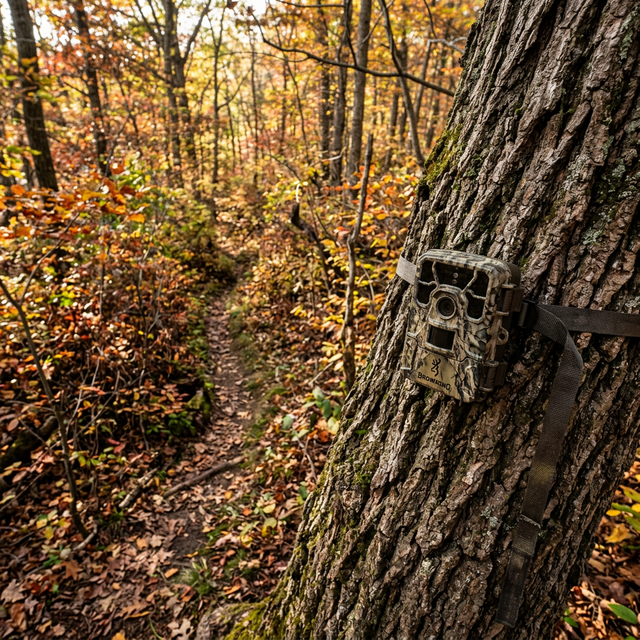
Rut cameras belong on scrapes, downwind doe bedding checks, and micro-funnels—not dead food plots. Placement tactics, cellular use, and scent-safe checks.
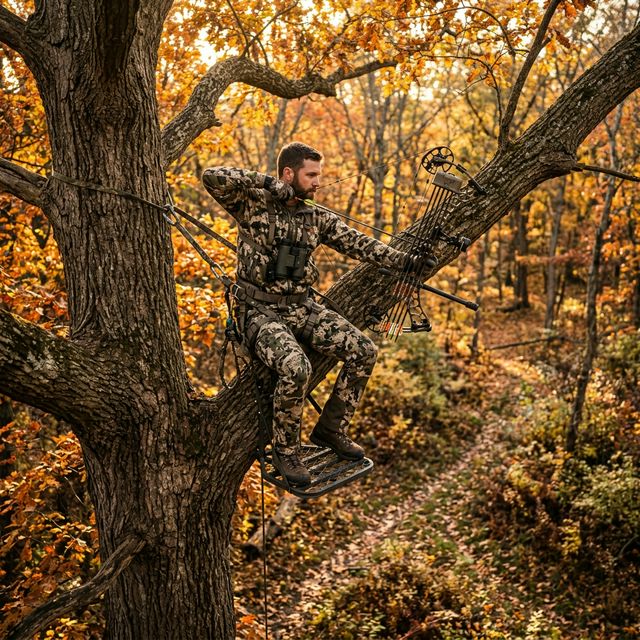
Learn saddle hunting for mobile whitetails: light kits, any-tree setups, 360° shots, silent climbs, practice progressions, and fall safety basics.
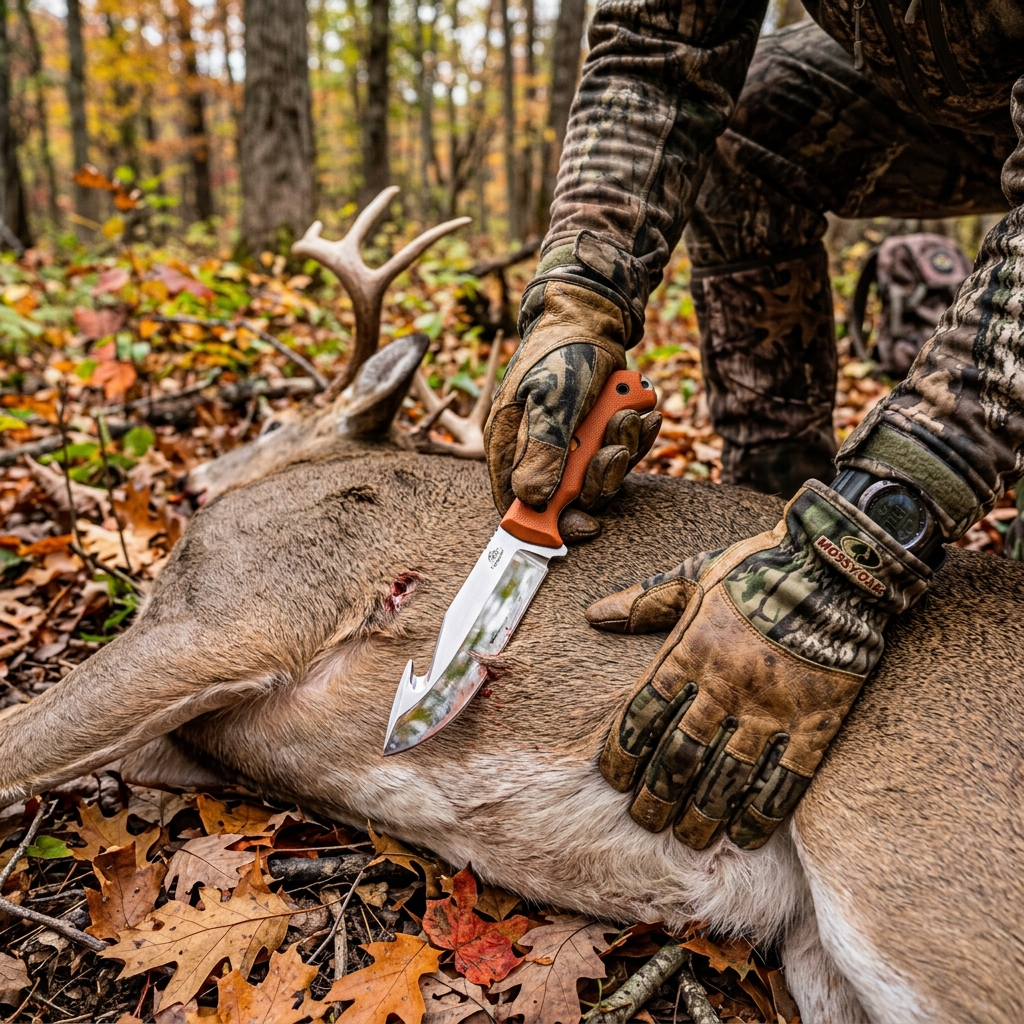
Cool venison fast with a clear field-dressing sequence: tools, tarsal caution, incision tips, bung care, CWD gloves, and how to avoid bone sour.
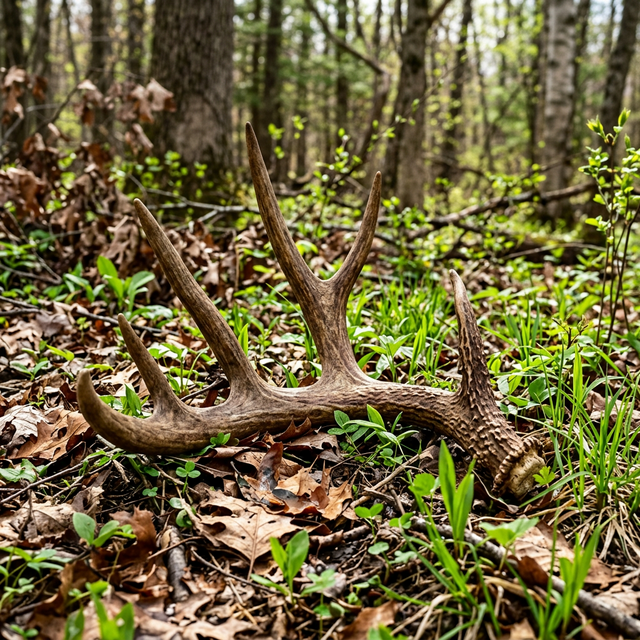
Find shed antlers with timing, cameras, and winter core areas. Learn when bucks drop, where to walk south slopes, and how to avoid stressing late-winter deer.
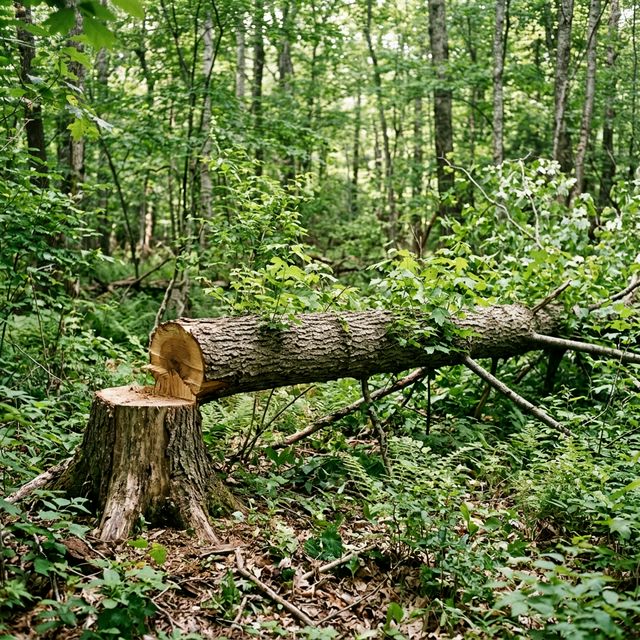
Hinge cutting releases canopy light, builds browse, and creates bedding thickets. Learn cut technique, tree selection, layout, and safety for whitetail TSI.
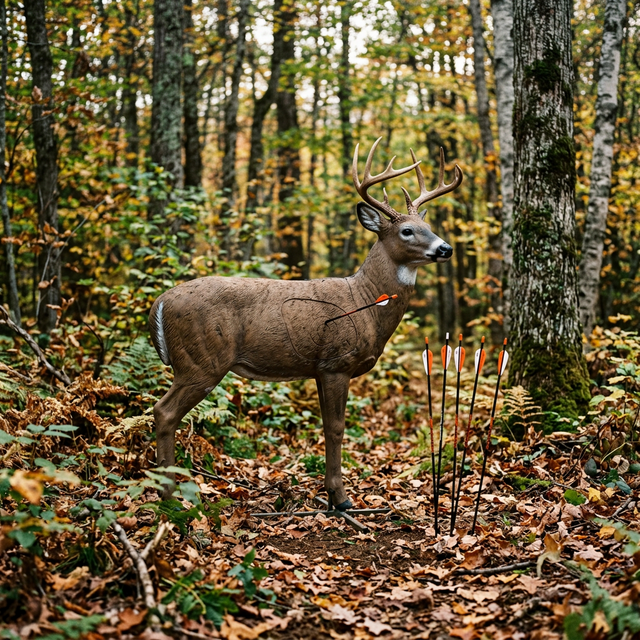
Learn ethical bow shot placement on whitetails: broadside vitals, quartering angles, passes to make, blood clues, and anatomy myths to ignore.
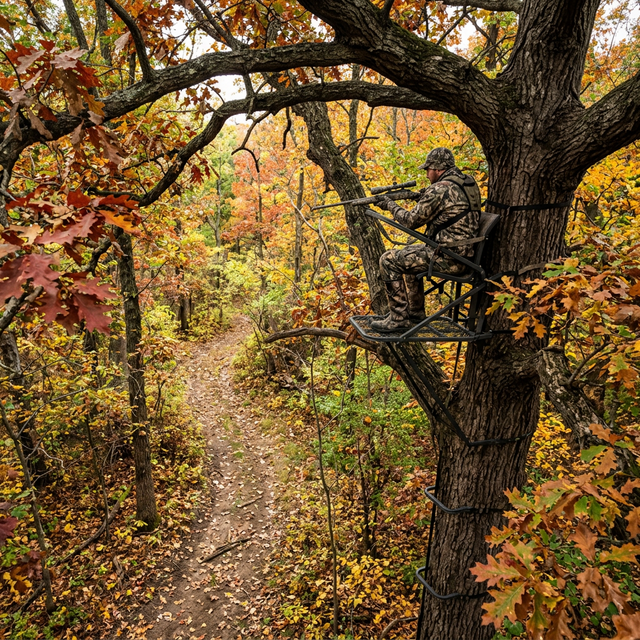
Hang smarter, not higher. Master leeward ridges, back cover, scent cones, and silent entry routes so your tree stand stays invisible to mature whitetails.
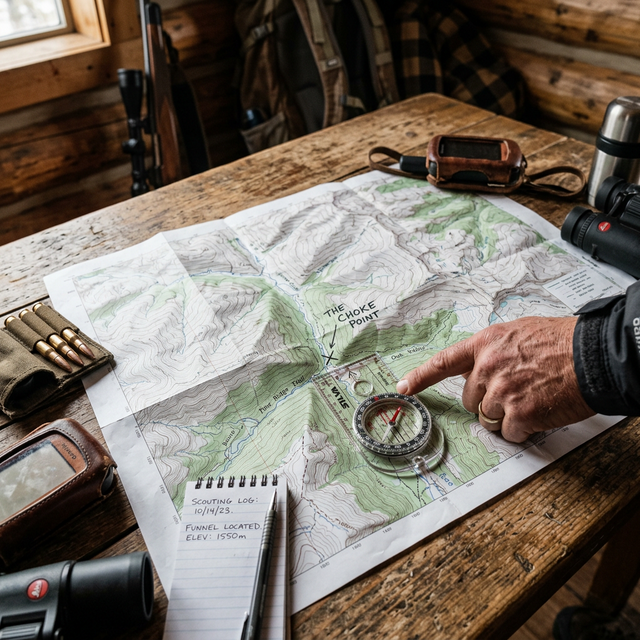
Find and hunt whitetail pinch points with topo maps: saddles, creek crossings, inside corners, fences, and stand setups that remove guesswork.
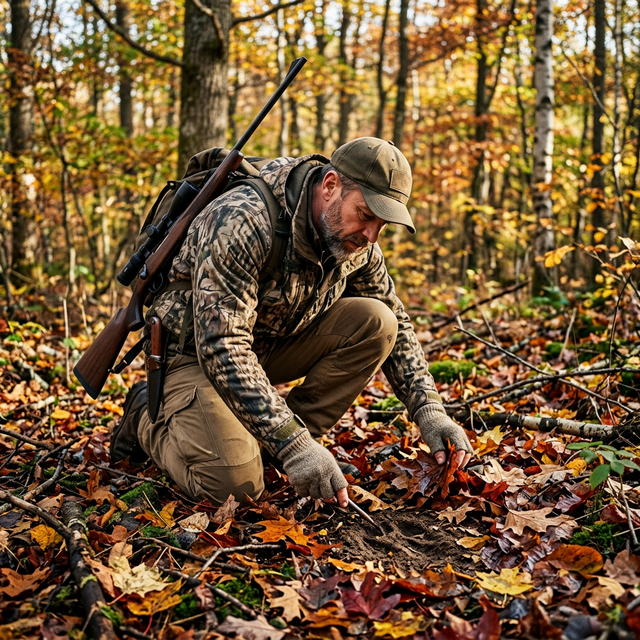
Recover wounded deer with wait times by hit type, blood-color forensics, grid-search steps, night trailing tips, and when to call a tracking dog.
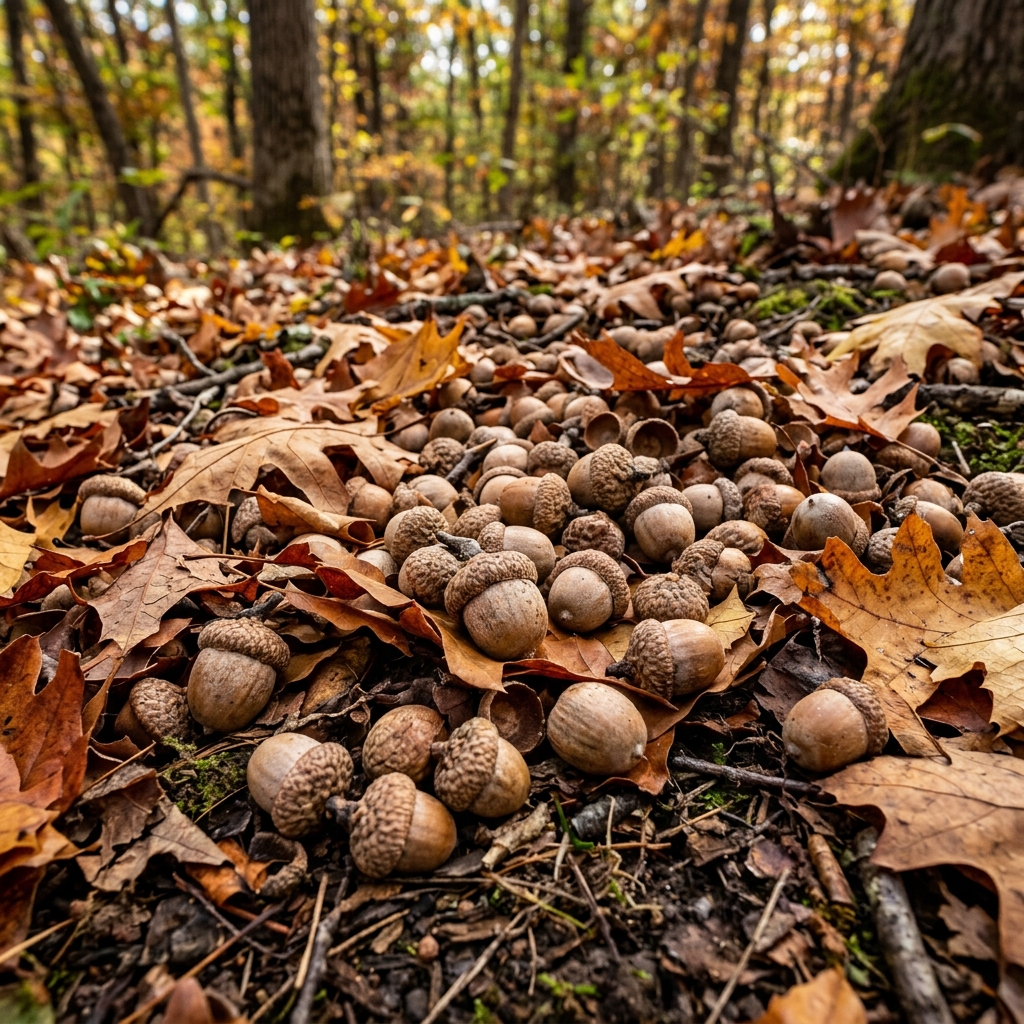
Find early-fall whitetail food by IDing white vs red oaks, money trees, soft mast, and crop edges. Scout sign on the dirt—not just big timber on a map.
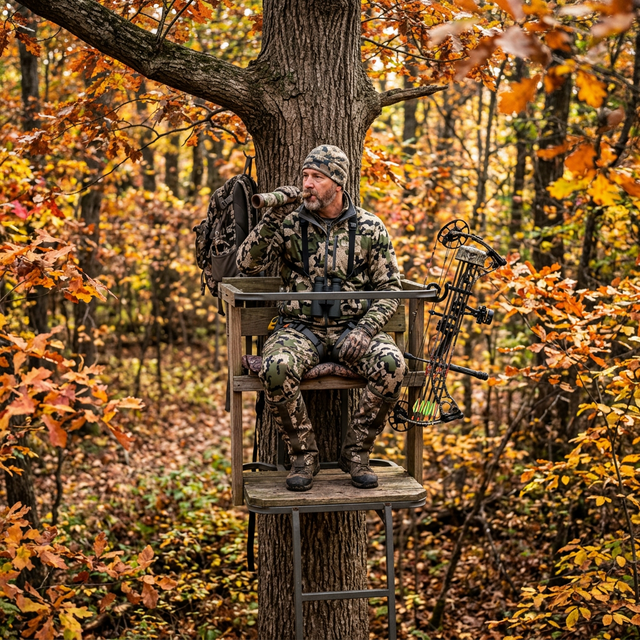
Learn when to grunt, bleat, snort-wheeze, and rattle. Contact vs challenge calling, rattling setups, downwind barriers, and public-land safety rules.
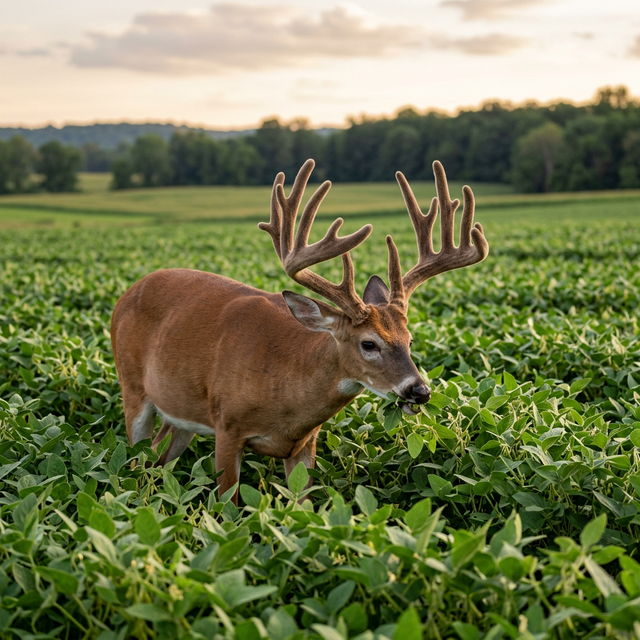
Pattern early-season velvet bucks with summer glassing, staging areas, and silent entry. Hunt opening week before bachelor groups break and patterns collapse.
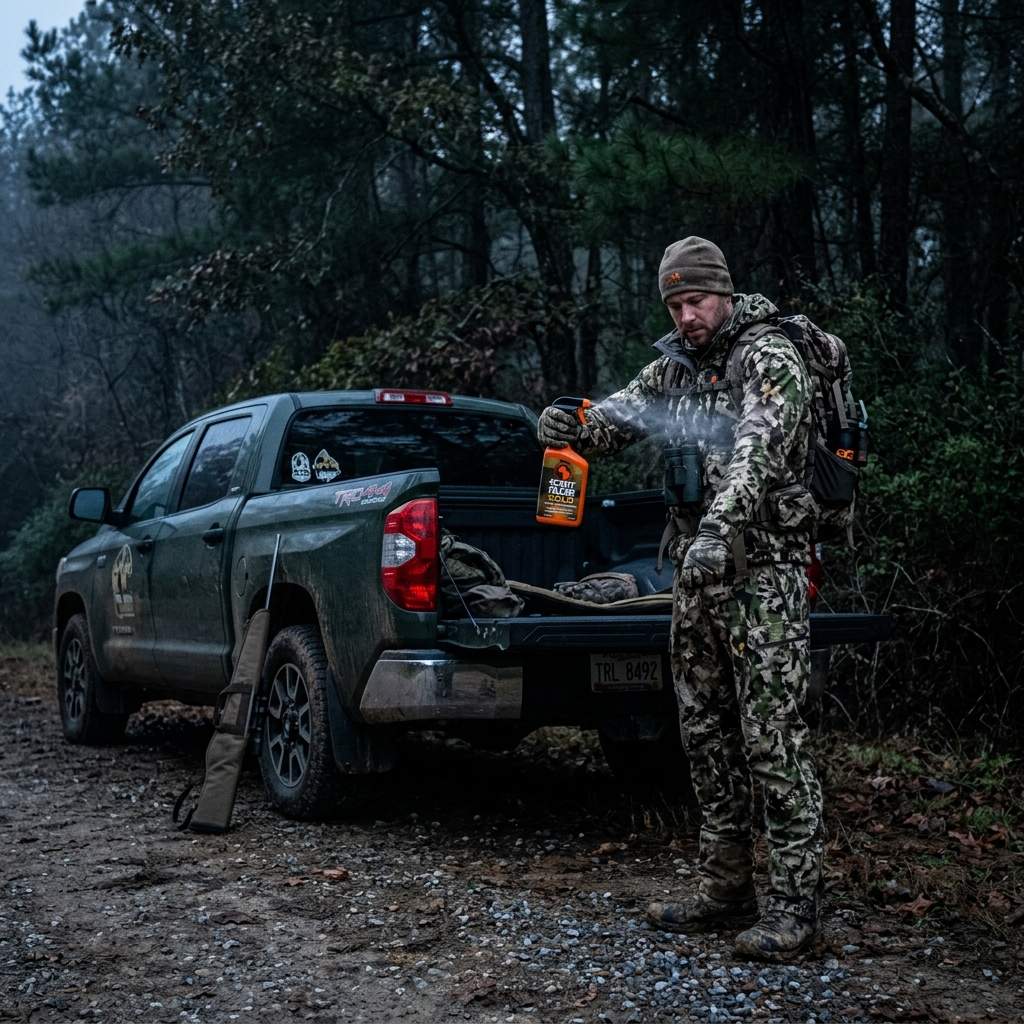
Practical whitetail scent control: deer nose biology, wind and thermals, clothing systems, ozone limits, and entry plans that actually work.
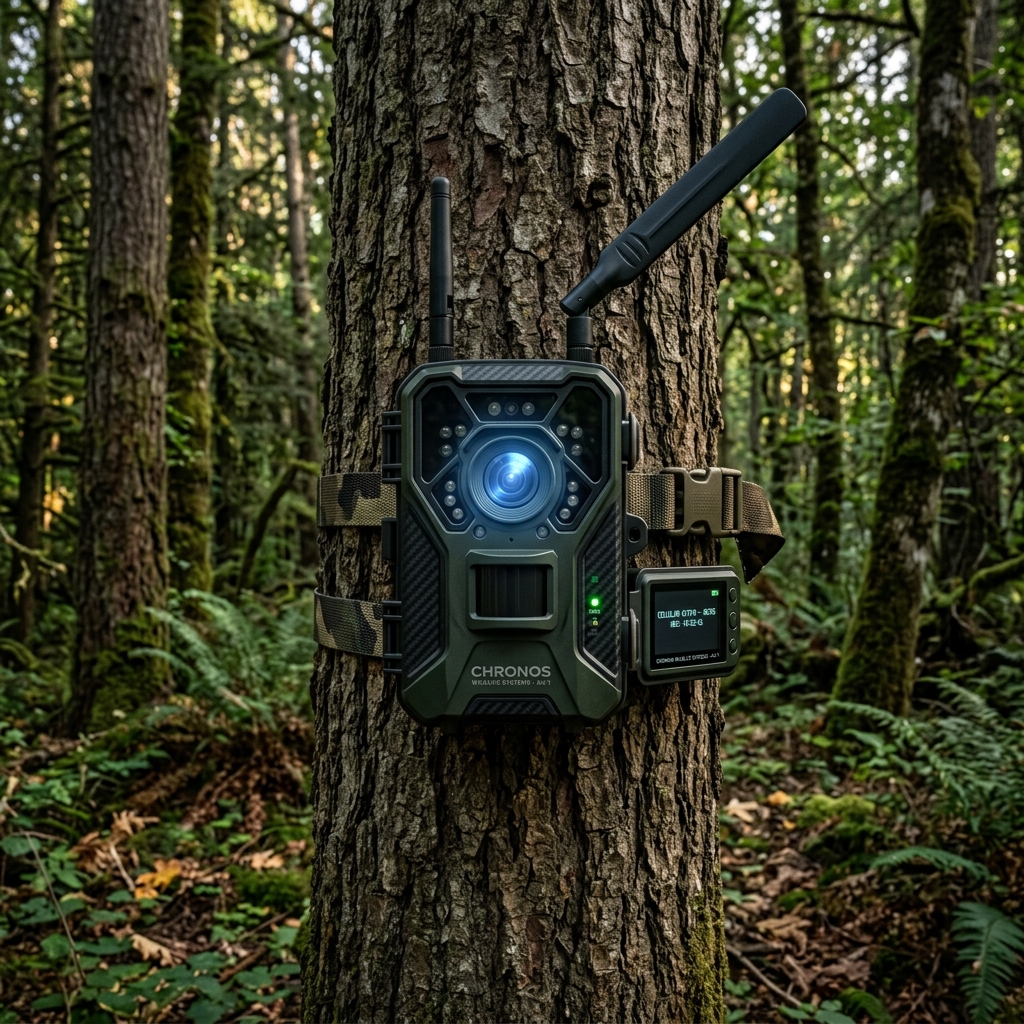
AI trail-camera classification, heatmaps, and zero-intrusion scouting are changing hunts—plus ethics, cybersecurity, and what still comes down to wind and mud.
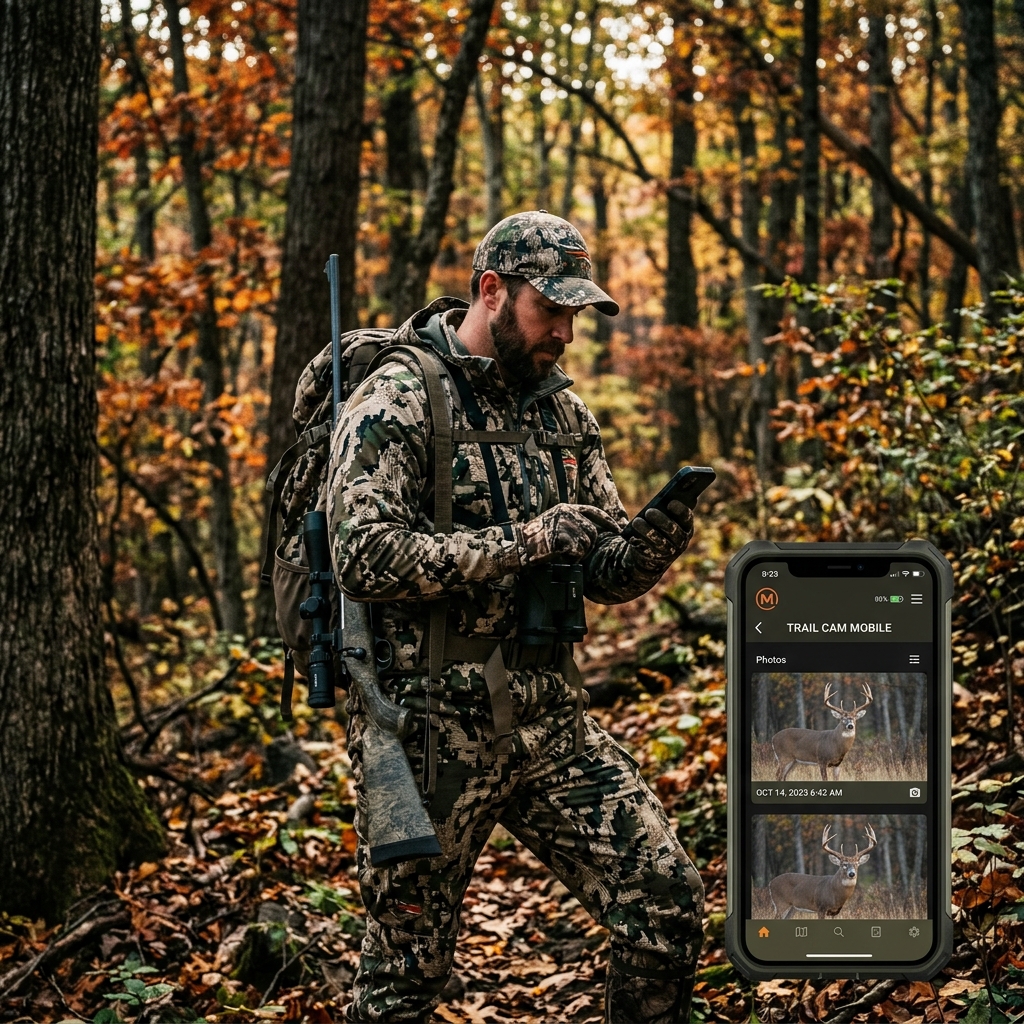
Balance AI, cellular cameras, and mapping apps with fair chase. Use tech to cut intrusion and improve conservation—not to replace woodsmanship or risk safety.
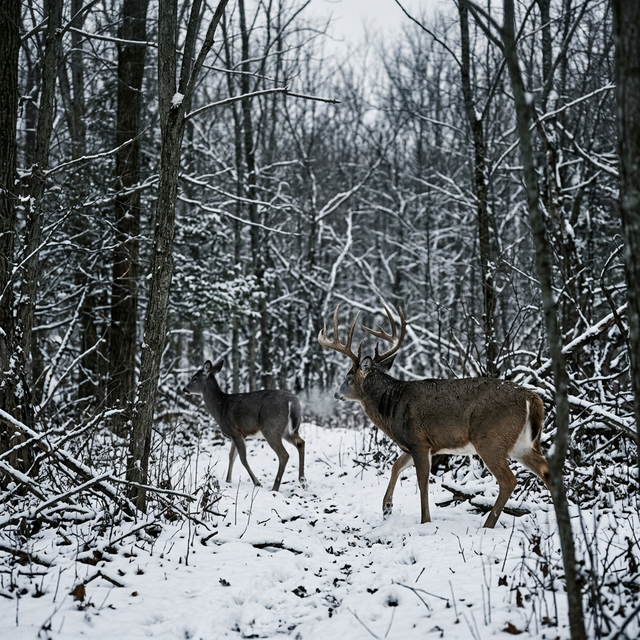
Hunt the second rut with biology-backed timing, food-source setups, cold-weather gear tactics, and mistakes that waste December bucks Practical tips for.
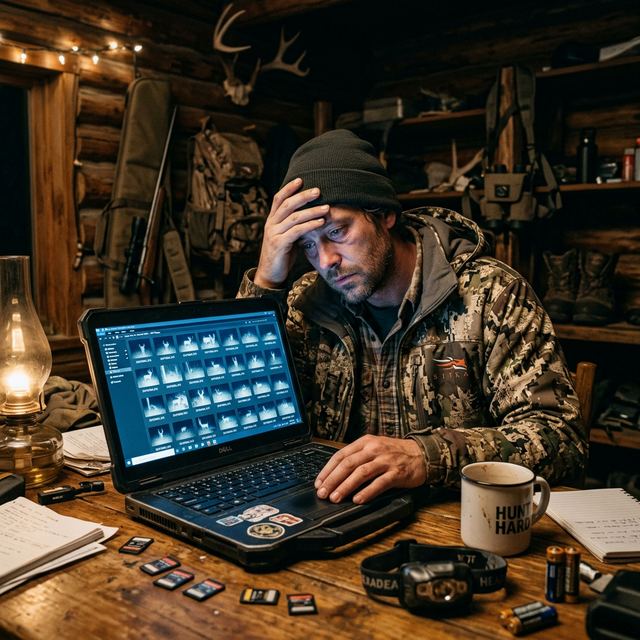
Stop drowning in raccoon photos. Learn how to organize trail camera data, pattern mature bucks, and turn SD cards into actionable hunt plans.
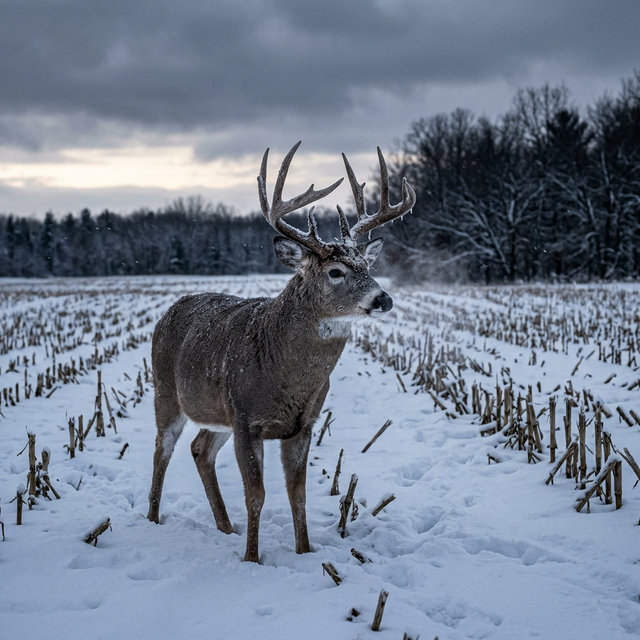
Tag late-season bucks by hunting high-energy food—corn, beans, brassicas—and midday thermal cover when December cold makes survival the only pattern.
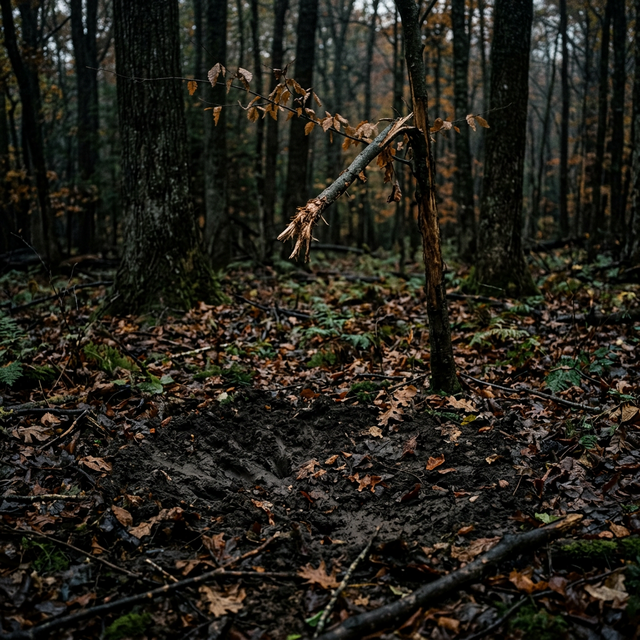
Not all scrapes are equal. Learn community vs. boundary scrapes, licking-branch camera angles, scent hygiene, and when scrape stands beat food-edge sits.
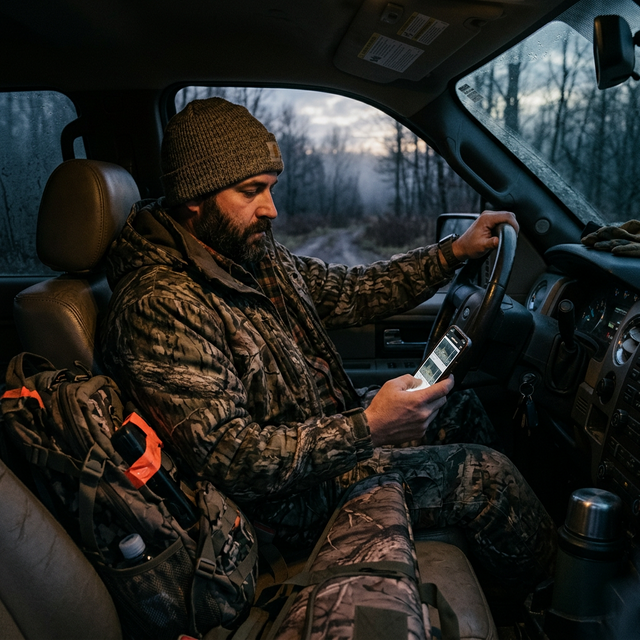
Cellular cameras enable zero-intrusion scouting. Learn sanctuary plays, macro wind trends, notification discipline, theft deterrence, and battery tips.
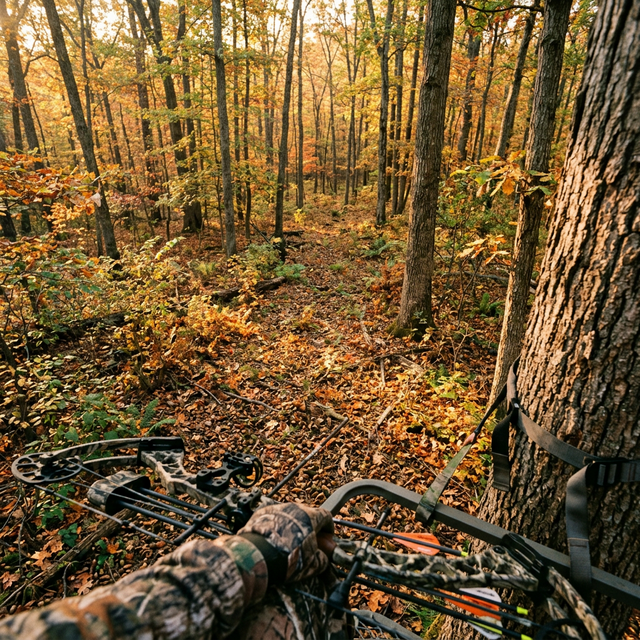
The October lull is a food shift, not dead deer. Move from fields to white oaks, use cellular cams, and hunt timber hubs when ag cameras go blank.
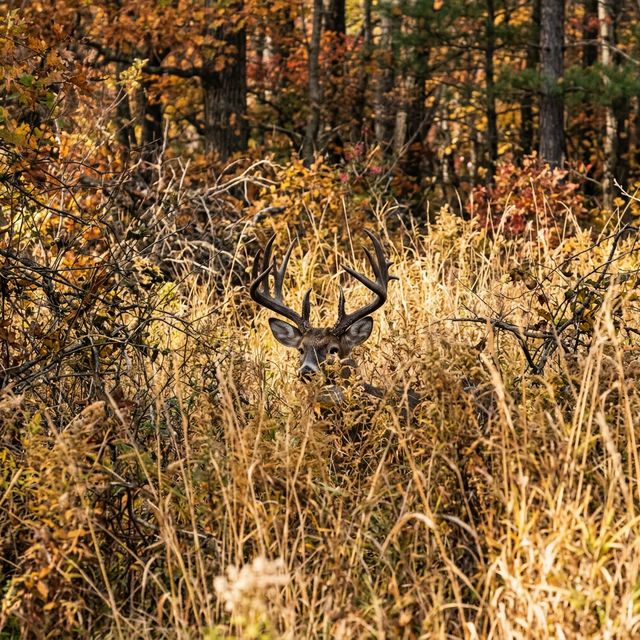
Find mature buck beds using wind, thermals, and perimeter cameras—then hunt the fringe without blowing the sanctuary all season long Practical tips for.
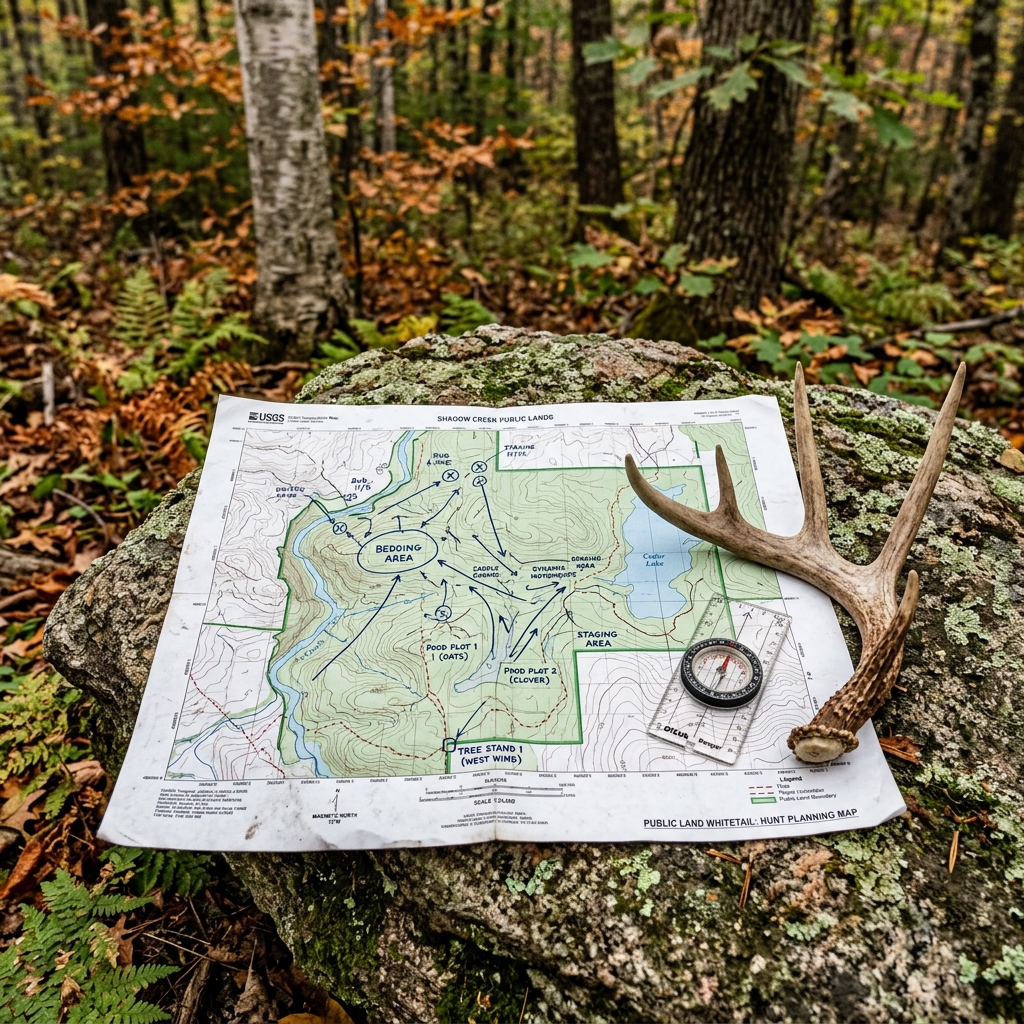
Pattern mature public-land bucks with continuous camera soaks, micro-funnels, weather correlation, and one-strike mobile sits—without educating the sanctuary.
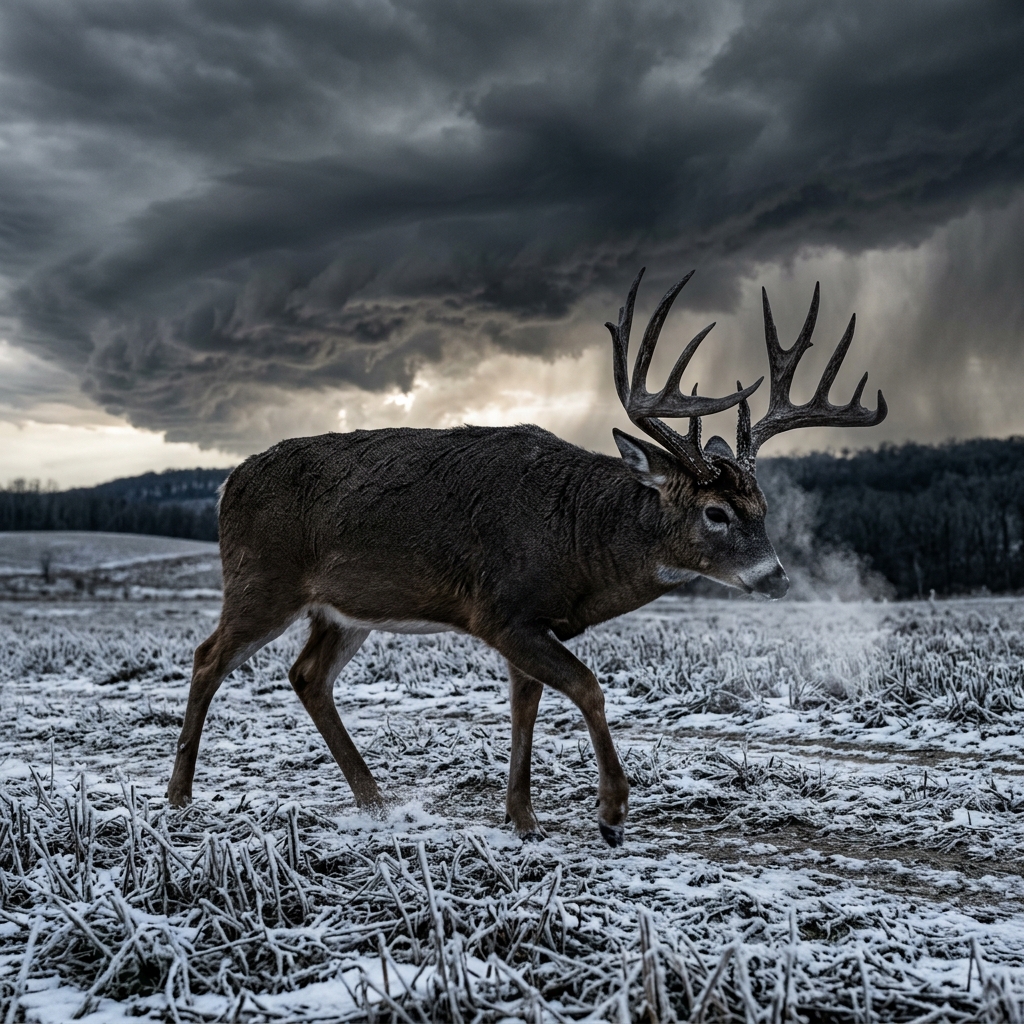
Temperature drops, fronts, wind, and barometric swings drive mature buck movement. Learn which weather windows to hunt—and which to sit out safely.