
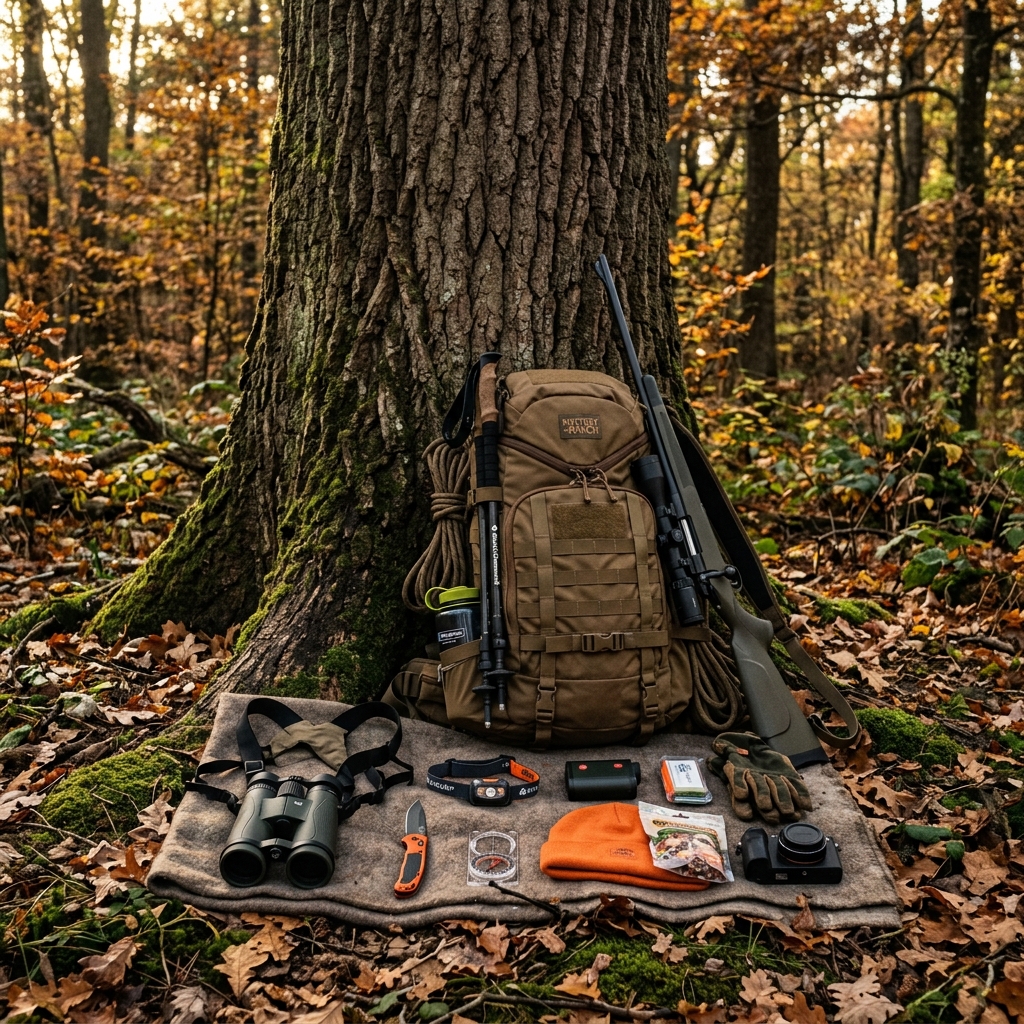
Choosing a Hunting Pack: Daypack vs. Meat Hauler Frame
Pick the right hunting pack—lightweight daypacks for short sits vs. frame meat haulers for public land pack-outs, with fit, capacity, and kit tips.
Your pack is a mobile basecamp. Most hunters over-pack for the morning sit and under-prepare for the drag or pack-out that follows a tag punch. Choose capacity and frame based on how far you hunt from the truck and whether meat rides on your back—not on which colorway is on sale.
Daypack or Frame Pack: How Do You Decide?
Ask three questions:
- How far is my farthest stand from vehicle access—under 0.5 mile, 0.5–2 miles, or 2+ miles?
- Will I bone-out and pack meat, or drag whole / use a cart?
- Am I hunting mobile (saddle/climber) or sitting a fixed hang-on?
Quick rule:
- Private land / short walks / drag possible → 1,800–2,500 cu in daypack
- Public land / steep country / boned pack-outs → frame pack with meat shelf, 3,500–6,000+ cu in
Owning both is normal. Using a school backpack for a two-mile meat haul is how lumbar discs get retired early.
What Capacity Numbers Actually Mean in the Woods?
Cubic inches are marketing until you pack them.
| Capacity | Typical role | Realistic load |
|---|---|---|
| 1,200–1,800 cu in | Minimalist sit | Layers + kill kit |
| 2,000–2,800 cu in | Standard daypack | Full day gear |
| 3,500–4,500 cu in | Overnight / heavy day | Extra clothes + optics |
| 5,000+ with frame | Meat hauler | Quarters + gear |
Leave 15–20% empty for the deer. A stuffed pack with nowhere for meat bags is a design failure.
Why Does Frame Geometry Matter for Meat Loads?
When you’re packing 40–80+ lb of boned meat, the frame—not the fabric bag—saves you.
What to look for:
- Rigid carbon or aluminum stays that transfer weight to the hip belt
- A meat shelf or bag-separation design so dense loads ride between frame and bag
- Wide, padded hip belt that cinches on the iliac crest
- Load lifters that pull the pack into your back
If shoulders burn after 10 minutes, the hip belt isn’t doing its job—or the pack is too long/short for your torso. Measure torso length; don’t guess from jacket size.
For gutless quartering systems that feed a frame pack, see Gutless Method Packing Out a Deer.
What Belongs in a Daypack Kill Kit?
Private-land daypacks should still carry a serious recovery kit:
- Replaceable-blade knife + spare blades
- Nitrile gloves (3–6 pairs)
- Game bags (breathable)
- Compact headlamp + spare batteries
- Paracord / drag rope
- Mini first-aid + blood-stop gauze
- Lighter / fire starter
- Marking tape for blood trails
Organize so you can reach the rangefinder and knife without dumping the pack on wet leaves. Clamshell or large rear-panel access beats tiny top-loaders. Expand the list with How to Pack a Hunting Kill Kit and blade choice via Best Knives for Gutting and Skinning.
How Should You Pack for Mobile Public-Land Hunts?
Mobile hunters (saddle or climber) need quieter, tighter loads:
- Soft, quiet fabrics; tape noisy buckles
- Weapon haul line accessible without unpacking
- Rain layer on top—weather changes in minutes
- Navigation (phone + offline maps + compass) in a zipper you can find in the dark
- Snack + 1–2 liters water for all-day hangs
If you run a climber, balance stand weight against pack weight so hiking remains sustainable for 2–4 mile loops—see Using a Climbing Tree Stand Safely and Mastering Saddle Hunting.
What Safety Features Belong on Every Hunting Pack?
Heavy loads and remote timber raise stakes:
- Hip belt tight before shoulder straps—protect the spine
- Sternum-strap whistle reachable without torso contortion
- Blaze panel / hanger if required by state law during firearm seasons
- Blood-stop kit in the same exterior pocket on every pack you own (muscle memory)
- Emergency bivy on deep public-land days when temps drop below freezing
Never hang a loaded meat pack on one shoulder “for a minute” on a sidehill. That’s how ankles and backs go together.
How Do You Fit and Adjust a Pack in Five Steps?
- Loosen all straps.
- Set hip belt so the padding covers the top of your hip bones.
- Cinch hip belt firmly—most weight should live here.
- Snug shoulder straps, then load lifters at ~45°.
- Clip sternum strap; re-check after the first 10 minutes of hiking.
Re-adjust when you add meat. A pack that fit with day gear will shift with 60 lb of quarters.
What Features Matter for Bowhunters vs. Gun Hunters?
Bowhunters often need:
- Quiet fabrics and covered buckles
- Easy access to release, rangefinder, and pull-up rope
- Slimmer profiles that don’t foul a draw elbow in a saddle
- Room for a deer drag but not necessarily a full meat shelf every sit
Firearm hunters often need:
- Secure rifle/scabbard options or side straps for hands-free hiking
- Extra pocketing for ammo, license, and warmer gloves
- Blaze compatibility during gun seasons
- More insulation bulk in December
If you hunt both seasons, buy for the heavier use case (usually late-season gun or public-land archery pack-outs) and compress the pack for easy sits. Compression straps are underrated—they quiet flopping fabric and keep the load close when the bag is half empty.
Budget vs. Premium: Where Does Money Actually Matter?
Spend on fit, frame, and hip belt. Save on colorways and pocket gimmicks.
Reasonable expectations:
- Solid daypack: often $100–$200
- Serious frame meat hauler: often $300–$500+
- Used military frames can work if you add quieting mods and game bags
Waterproofing claims vary—use a pack liner or dry bags for electronics and spare insulation either way. Rain covers help on the hike; they also can noisy-flap in stand wind, so know when to stow them.
How Do You Pack Differently for Morning vs. All-Day Sits?
Morning sit (3 hours): thin the load. Knife kit, gloves, light layer, headlamp, license, small snack, pull-up rope. Leave the kitchen sink.
All-day sit (8–12 hours): add insulation depth, more calories, extra gloves, bladder or bottles totaling 1.5–2 liters, and a backup light. In late season, the puffy that felt optional at 9 a.m. becomes mandatory at 3 p.m. when the front arrives.
Use stuff sacks by category—rain, insulation, kill kit—so you are not digging blind at 17 feet. A pack with 20 pockets is slower than a pack with 5 logical zones if you never trained the layout.
How Should You Train With a Loaded Pack Before Season?
Do not make opening weekend your first 60-lb carry.
In August–September, hike with 35–45 lb of water jugs or sand for 1–2 miles on similar terrain. Practice hip-belt fine-tuning, downhill braking steps, and sitting the pack down without rolling it into a creek. Note hot spots on your hips and fix them with belt position or padding before you’re three miles from a dead deer at dark.
Conditioning is part of pack selection. The best frame still fails if your legs and core are not ready. Finally, weigh your packed daypack on a bathroom scale once per season—if it exceeds 25 lb before water for a short private-land sit, remove duplicates until it does not. Keep zipper pulls extended with paracord tabs so cold gloves can open the kill-kit pocket without stripping fine motor control at dusk.
Frequently Asked Questions
Is a military rucksack fine for deer hunting?
It can work, but hunting-specific quiet fabrics, meat shelves, and weapon carry options usually win. If you already own a solid frame ruck, add game bags and fix noise points before buying new.
How much should a loaded daypack weigh?
For all-day comfort, many hunters aim for 15–25 lb including water. If you’re over 30 lb before lunch, audit duplicates.
Do women need different hunting packs?
Often yes—shorter torso options and differently shaped hip belts improve fit. Try before you buy when possible.
Can I haul a whole deer with a frame pack?
Whole deer are awkward and usually too heavy for safe backpacking. Bone-out or quarter. Leave the ego drag for short, flat exits.
What’s the one upgrade that matters most?
A proper hip belt and frame for the loads you actually carry. Fancy pockets don’t fix spinal compression.
Match pack to distance and pack-out method, keep the kill kit ready, and put weight on your hips. The right pack disappears on the hike in—and earns its keep on the hike out.