
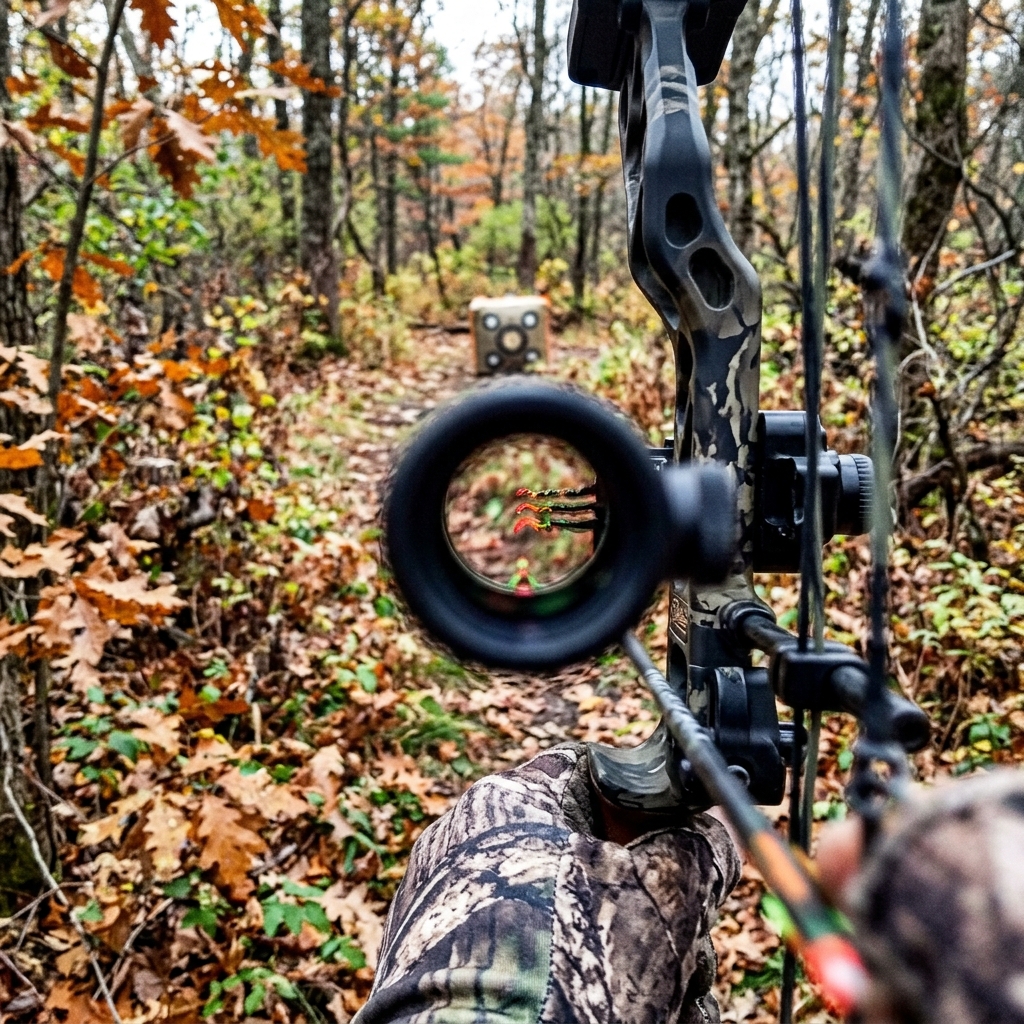
Overcoming Target Panic: Defeating the Bowhunter’s Mental Hurdle
Freeze or punch the trigger at full draw? Learn what target panic is, blind-bale drills, hinge releases, and a patient plan to rebuild archery confidence.
It starts small. You draw, settle the pin near the vitals, and your finger will not squeeze. Or the instant the pin kisses the spot, you punch the release and watch the arrow sail high. That is target panic—an anticipatory reflex problem, not a lack of “trying harder.” It hits beginners and seasoned bowhunters alike. The fix is deliberate retraining, usually with simpler aiming drills and sometimes a different release architecture.
What Target Panic Actually Is
Target panic is your brain trying to micromanage a shot that must stay subconscious. You know a sudden shot and bow jump are coming, so your nervous system times the moment—exactly what ruins surprise execution.
Two common expressions:
- Freeze / drive-by: You can hold steady off-target, but the pin will not settle on the spot—or it skates across without a calm shot process.
- Punching / snap-shooting: You mash the trigger the microsecond the pin crosses center, producing flyers even at 20 yards.
It is software, not always hardware. New bows alone rarely cure it. New habits do.
Why Panic Shows Up in the First Place
Common contributors:
- Too much shooting at tiny bullseyes under time pressure
- Premature use of a sensitive index-finger release
- Hunting-only shooting with no form practice
- One bad miss that you replay for months
- Over-holding until muscles shake, then stabbing at the shot
The rut intensifies everything. Heart rate up, pin bouncing, brain screaming “now.” Training must be harder than the hunt if you want the hunt to feel easier.
The Recovery Framework: Slow Is Fast
You cannot spasm your way out with 100 panicked arrows a night. Reset the cue that “spot = shoot now.”
Core principles:
- Remove the bullseye (or close your eyes) until execution feels calm
- Demand a surprise release, never a timed punch
- Reintroduce aiming in layers
- Only then add distance and 3D pressure
- Keep a maintenance routine so panic does not return
Expect weeks, not forty-eight hours. Hunters who rush back to twenty-yard dots often relapse.
Drill 1: Blind-Bale Shooting
Stand roughly 5 yards from a blank target boss—no spot, no face.
- Draw with good posture
- Close your eyes or soft-focus on nothing
- Build back tension until the shot breaks as a surprise
- Call your shot feel before you open your eyes
Do this for several sessions until your shoulders relax and punches disappear. This is the single most prescribed reset in archery coaching for a reason.
Drill 2: Blank Ball or Large Spot With Permission to Miss
When blind-bale feels solid:
- Shoot a soccer-ball-sized spot or a blank bale with eyes open
- Give yourself permission to let the pin float
- Shoot only when the process feels calm—walk away if it does not
- Count good shots, not total arrows
Quality over quantity. Ten clean surprises beat fifty panics.
Release Choice: Index Triggers vs Back-Tension Hinges
If panic is severe on an index-finger trigger, many coaches recommend switching to a hinge (back-tension) release or a resistance-activated release for a training block. Making it harder to punch forces acceptance of a surprise break. Learn hinge safety and rotation drills before you hunt with one.
Not every hunter must change releases forever. Some return to an index release after rewiring. Others stay on a hinge for life. Understand the tools in our archery releases guide before you buy three gadgets in a weekend.
Form check: peeking, collapsing bow arm, and command shooting all feed panic. A lesson with a reputable coach can save a season.
Hunting-Season Rules While You Heal
Do not use live deer as therapy.
- Keep bow practice on the rehab plan even during season
- Choose high-odds shots only
- Draw only when you intend to shoot—repeated draws on deer teach panic under stress
- Consider a lighter draw weight temporarily if you are overbowed
- Broadhead choice will not cure panic, but practice with the heads you hunt—see fixed vs mechanical
If your confidence is broken, sit with a mentor or hunt with a crossbow/firearm where legal until archery feels fun again. Ego is not a scoring ring.
A Four-Week Sample Reset Plan
| Week | Focus | Notes |
|---|---|---|
| 1 | Blind bale only | Surprise shots, short sessions |
| 2 | Blind bale + large spot | Eyes open, float allowed |
| 3 | 10–20 yd calm aiming | Walk-back only if calm |
| 4 | 3D or stakes | One arrow per target, process first |
Reassess. Relapse? Drop back a week—do not push distance to “toughen up.” Pair mental work with quiet gear so equipment noise is not another flinch trigger—see whitetail hearing and silence.
Confidence returns in quiet rooms first, then in the tree. Celebrate boring, perfect surprises.
Mental Cues and On-Stand Shot Process
Write a short shot sequence on a card and memorize it:
- Confirm range and angle
- Settle stance and peep alignment
- Pick a hair, not the whole deer
- Commit to back tension / surprise release
- Follow through until the arrow hits
If step 4 turns into “now!” the moment the pin touches, abort. Let down if safe. A let-down on a doe is painful; a punched miss on the biggest buck of your life is worse. Practice let-downs on the range so the motion does not feel like failure.
Breathing helps. Exhale to a natural pause rather than holding until you shake. Keep draw weight at a level you can hold briefly without panic—many archers shoot better at 55–60 lb than at an ego-driven 70+. Overbowed hunters manufacture target panic with every strained hold.
After a season of success, keep a weekly blind-bale appointment. Panic often returns when the only arrows you shoot are high-stakes hunting shots. Ten calm surprises on Monday night protect Saturday morning. Pair mental training with equipment silence so flinches are not reinforced by noisy gear—see hearing and stealth and release mechanics in the releases guide.
If anxiety is spilling outside archery into daily life, talk to a qualified professional. Sports psychology tools help many archers; there is no shame in treating this like the performance issue it is.
While process is primary, a few setup checks help: confirm draw length is not too long, use a peep you can align without squinting, set loop length for a comfortable release anchor, and keep the rest quiet to avoid flinch cues. Match broadheads to a tuned bow so flight confidence is high—see fixed vs mechanical broadheads. Do not change five variables the night before a hunt. Change one, verify on the blank bale, then move on. Many archers find a slightly heavier hunting arrow with solid FOC flies more “honest,” which calms the brain—but that complements blind-bale work, not replaces it.
When you finally settle a pin on a deer without the old electric shock in your forearm, pause and notice it. That calm is the skill. The harvest is just the receipt. Keep a short weekly blind-bale habit in-season so high-stakes hunting shots are not your only practice. Ten calm surprises on Monday protect Saturday morning more than any new gadget. If a hunt-day draw still feels electric and wrong, let down and pass. Another sit always exists; a punched arrow over a buck’s back teaches the panic reflex all over again. Trust the blank bale you earned in practice. Target panic is beatable; treat it like training for a marathon instead of a single desperate gym night, and your pin will feel quiet again when it matters.
Frequently Asked Questions
Can target panic be cured permanently?
Many archers eliminate it for practical purposes with disciplined drills. Stress can bring flickers back—maintenance blind-bale sessions help.
How long does recovery take?
Mild cases may improve in two to three weeks. Deeply grooved panic can take a couple of months. Consistency beats intensity.
Should I buy a new bow?
Not first. Fix the shot process. Only change draw length/weight if fit is wrong.
Is a hinge release required?
No, but it is a powerful training tool when index punching will not die. Get coaching if you are new to hinges.
Can I hunt while recovering?
Yes—if you limit yourself to calm, ethical shots and keep practice honest. If every draw feels like a fight, pause archery hunting until the blind bale feels easy again.