
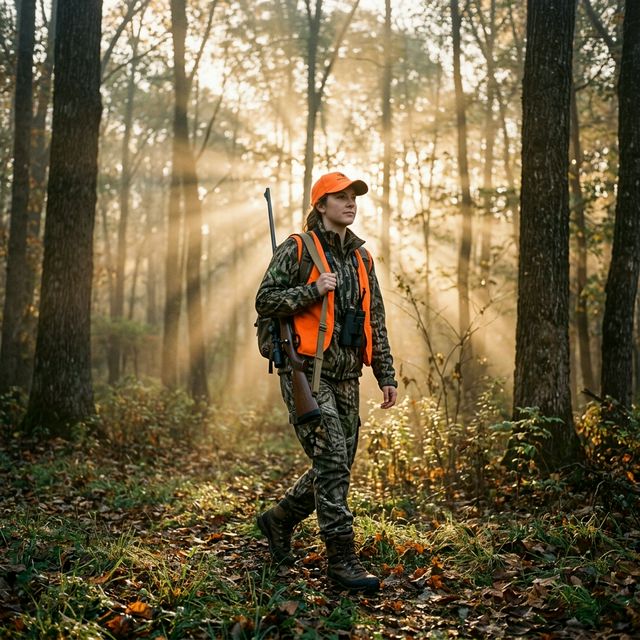
The Complete Beginner’s Guide to Whitetail Hunting
New to deer hunting? Learn hunter ed, basic gear, calibers, public-land access, scouting basics, safety, and realistic expectations for your first season.
Whitetail hunting is one of North America’s most rewarding outdoor pursuits: time in the woods, wild protein for the freezer, and a lifelong skill set. It can also feel overwhelming—licenses, gear lists, stand safety, and a thousand internet opinions. This beginner’s guide sticks to what actually gets you started safely and ethically.
Step One: Hunter Education and Licensing
Before you buy camo, finish the legal basics.
- Complete your state’s hunter education course if required for new hunters.
- Buy the correct license and deer tags for the season and weapon you will use.
- Read the regulation digest for dates, legal shooting hours, blaze orange rules, and weapon restrictions.
- Learn how to tag and report a deer in your state—phone apps and paper tags both exist depending on location.
Laws differ widely. A method that is legal in Ohio may be illegal in Oregon. The digest beats social media every time.
What Gear Do You Actually Need?
You do not need a sponsored garage. Start with basics you will use:
- A weapon you can shoot confidently (rifle, shotgun, muzzleloader, bow, or crossbow per local rules)
- Hearing and eye protection for firearm practice
- Waterproof boots that fit well enough for a full day
- Quiet clothing in patterns or earth tones that match your terrain; blaze orange as required
- A sharp knife and simple field-dressing plan
- Headlamp, license, tag, drag rope or cart access plan
- A kill kit with gloves, bags, and wet-weather backups
Optional early upgrades: binoculars, rangefinder, quality safety harness for elevated hunting. Do not skip the harness if you leave the ground—read tree stand safety before opening day.
Choosing a Beginner Weapon and Caliber
Proficiency beats power.
Firearm starters often do well with:
- .243 Winchester — light recoil, accurate
- 6.5 Creedmoor — mild recoil, modern ammo availability
- .308 Winchester — versatile, widely available
Practice until you can keep shots in a 6-inch circle at the distance you expect to hunt—from realistic positions, not only a bench. More caliber detail lives in our best rifle calibers guide.
Bowhunters need more lead time: draw-weight comfort, fixed practice schedule, and ethical range limits (often inside 30 to 40 yards for new hunters). Consider mentoring before you chase a November rut sit alone.
Is Deer Hunting Hard to Learn?
The basics fit in a weekend. Mastery takes years. That is normal.
Expectation management for year one:
- Harvesting any legal deer is a success
- Trophy bucks are uncommon, especially on public land
- Blank sits teach wind, patience, and deer behavior
- Meat care matters as much as the shot
Focus on woodsmanship: reading tracks, noting wind, moving quietly, and sitting still. The deer will teach you faster than any gadget.
Finding a Place to Hunt
You do not need to own land.
Public land: Wildlife management areas, national forests, state forests, and some walk-in programs offer millions of acres. Pressure is real—hunt midweek when you can, walk farther than the crowd, and study maps before you go. See weekdays vs weekends.
Permission ground: Knock on doors politely in the off-season. Introduce yourself, share your plan, offer help or meat, and accept “no” gracefully. One yes can define a decade of hunting.
Mentors and clubs: Local sportsmen’s clubs, learn-to-hunt programs, and trusted friends shorten the learning curve more than solo YouTube nights.
Use free map apps and aerial imagery to mark parking, thick cover, and edges. E-scouting helps you arrive with a plan instead of wandering.
Scouting Basics Without Spooking Deer
Beginner scouting mistakes usually involve too much walking in October.
Smarter approach:
- Glass fields in summer evenings for inventory—velvet scouting
- Hang a few cameras on trails and check them infrequently
- Look for tracks, droppings, rubs, and scrapes after rain
- Hunt the wind, not the Instagram scrape under a bare tree
If you use cameras, sorting photos teaches patterns fast. WildSnap can identify species and surface activity timing so you learn when deer actually move on your ground.
Safety, Ethics, and Meat Care
Non-negotiables:
- Identify the target and what lies beyond before every shot
- Wear required blaze orange
- Unload carefully around vehicles, stands, and camp
- Use a full-body harness and lifeline in elevated stands
- Take only high-percentage shots you have practiced
- Cool the carcass quickly; heat ruins more venison than tough steaks ever will—see meat spoilage limits
Pass on hard quartering-to shots and running “pray and spray” attempts. Another sit is always available. A wounded deer you cannot recover is the outcome every ethical hunter works to avoid.
A Simple First-Season Plan
- Finish hunter ed and buy licenses early
- Pick one weapon system and practice weekly
- Choose one public unit or permission farm—not five
- Scout lightly; hang one or two safe stands or plan ground sits
- Hunt cold fronts and mornings/evenings before you chase moon myths
- Bring a mentor if possible for the first field dressing
- Journal wind, sightings, and mistakes after every hunt
Keep it simple. Complexity comes later.
Your First Hunt Day: A Practical Script
The night before: lay out clothes, tag, headlamp, knife, gloves, snacks, and harness. Check the forecast for wind direction and dress for the coldest hour before dawn. Tell someone where you are going.
Morning of: arrive early enough to walk in without jogging. Move quietly, climb with a lifeline if elevated, and get settled before legal light. Sit still. Glass more than you fidget. If nothing happens by mid-morning, you can still-hunt slowly back to the truck or relocate for evening—both are legitimate beginner moves.
Evening sits: enter from the downwind side of food when possible. Expect deer in the last 30 minutes. Do not climb down and walk the field edge at dark if you plan to hunt it again tomorrow.
If you shoot a deer: mark the spot, wait 30 to 60 minutes for a lung shot (longer for marginal hits), then track methodically. Call a mentor if you are unsure. After recovery, dress the deer promptly and cool the meat—use the field dressing steps rather than improvising from a phone video in the dark for the first time. Practice the motions on a mentor’s deer if you can arrange it before your own season.
Celebrate the whole process. A clean miss with a safe decision is better than a risky shot. Write three lessons in a notebook before you sleep. That notebook becomes your real beginner’s guide by December. The hunters who stick with it treat blanks as data. They join clubs, ask questions without ego, and give back when they finally know enough to help the next newcomer. If you feel lost, reread regulations, pick one skill to improve each week (wind, shooting, silence), and schedule hunts like appointments.
Social media highlights giant bucks and hidden honey holes. Real beginner progress looks like learning to sit three hours without scrolling, dressing a deer without panic, and reading a topo map until creek crossings make sense. Measure yourself against last month’s you, not against a stranger’s highlight reel.
When you do succeed, share meat and stories responsibly. Know spoilage limits so gifts of venison are safe. Thank landowners with more than a text—handwritten notes and shared freezer packages open doors for years. Most of all, stay safe: no deer is worth a fall from a stand or a negligent shot. Build harness habits and target ID habits before you build a trophy wall.
Frequently Asked Questions
How much money do I need to start deer hunting?
A few hundred dollars can cover education, license, basic clothing, boots, and a used rifle in many regions. Stands, optics, and cameras can wait.
Should I start with a bow or a gun?
Many beginners start with firearms because effective range is more forgiving and seasons are familiar. Bowhunting is outstanding but demands more practice before ethical hunting begins.
What is the best time of day for beginners to sit?
The first and last hours of legal light are classic. All-day sits during the rut can work, but short morning/evening hunts teach more when you are building the habit.
Can I hunt if I do not know anyone who hunts?
Yes. Hunter-ed courses, state learn-to-hunt programs, and public-land access exist specifically for newcomers. Be humble and persistent about permission asks.
How do I avoid getting discouraged?
Measure success by good decisions: safe climbs, smart winds, clean practice groups, and honest shot choices. Deer on the ground will come.
Wildsnap • Open beta
Join Wildsnap and try the beta
In the open beta, you turn trail-cam data into actionable insights—free, fast, and simple.
No credit card