
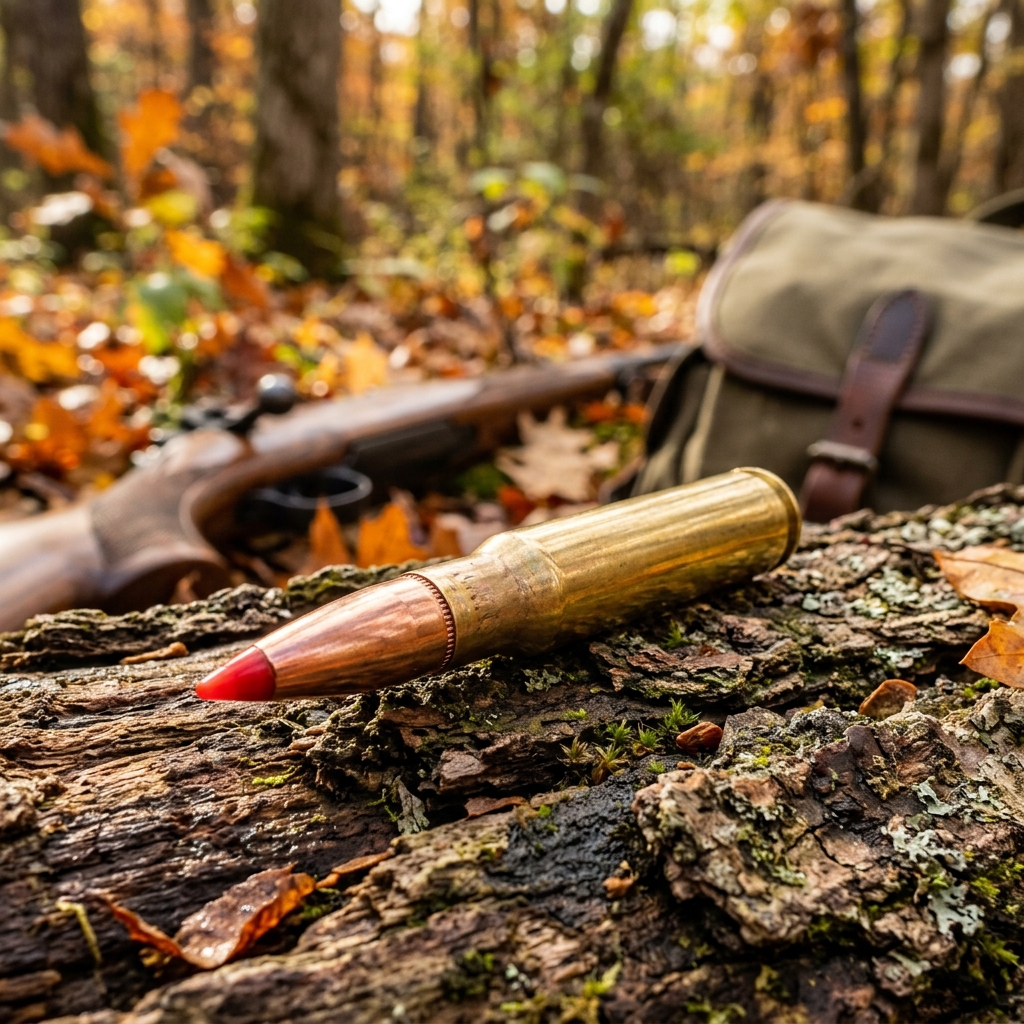
The Best Rifle Calibers for Whitetail Deer Hunting
Compare .270, .30-06, .308, 6.5 Creedmoor, and .243 for whitetails—recoil, trajectory, woods vs field use, and what actually makes ethical kills.
Put ten deer hunters in a room and ask for the best caliber; you will leave with ten answers. Campfire loyalty is real—but so are ballistic trade-offs. Recoil you can shoot, bullet construction you trust, and a rifle you carry all day matter more than winning an internet argument. This guide compares the cartridges American whitetail hunters actually use and when each shines.
What “Best” Really Means for Whitetails
An ethical whitetail cartridge should:
- Deliver adequate penetration on a 150 to 250 lb deer (heavier in the North)
- Expand reliably in soft tissue without fragmenting into a surface wound
- Allow the shooter to place a bullet in the vitals under field stress
- Match local regulations (some states set minimum calibers or energy rules)
Shot placement still beats caliber. Review whitetail anatomy and shot placement before you upgrade brass. A calm .243 in the lungs outperforms a flinched .300 Win Mag in the paunch every time.
The Classics: .270 Winchester and .30-06 Springfield
.270 Winchester: Flat-shooting and proven on open fields and long power-line cuts. Typical hunting loads launch relatively light-for-caliber bullets at high velocity—excellent for 200 to 300+ yard ag ground when you do your part.
.30-06 Springfield: The do-everything American big-game round for more than a century. Wide bullet-weight range (often 150 to 180 gr for deer, heavier for elk) and everywhere ammo availability. Recoil is sharper than a .308 in similar-weight rifles, but manageable with practice.
Choose .270 when trajectory and reach matter. Choose .30-06 when you want one rifle for deer now and maybe elk later.
The Versatile All-Star: .308 Winchester
The .308 Winchester remains a top deer caliber worldwide because it balances:
- Moderate recoil in practical rifle weights
- Excellent accuracy potential
- Short-action rifle lengths that carry well in timber
- Enough energy for solid performance inside common whitetail distances (and beyond with good loads)
With quality 150 to 165 gr hunting bullets, .308 handles woods shots and field edges without drama. It is also easy to find on sale before firearm seasons.
The Modern Challenger: 6.5 Creedmoor
6.5 Creedmoor earned its reputation on low recoil, high ballistic coefficients, and factory ammo that shoots. Newer hunters and recoil-sensitive shooters often shoot it better than older .30-caliber options.
- Pros: Soft recoil, flat trajectory, superb long-range precision potential
- Cons: Some traditionalists want more frontal diameter; pick tough hunting bullets, not target hollow-points
With modern bonded or monolithic deer bullets, Creedmoor is fully capable of clean whitetail kills when shots are placed. Do not confuse target ammo with hunting ammo.
Minimum Calibers and Youth-Friendly Options
Regulations vary. A common practical floor many mentors teach is .243 Winchester for centerfire deer rifles—adequate with proper bullets and angles, with mild recoil for new shooters.
Notes:
- .243 Win: Excellent beginner and open-country deer round; use controlled-expansion bullets, not varmint loads.
- .30-30 Win: Still deadly in timber inside 150 yards; tubular-magazine rifles limit spitzer choices unless you use tip-safe designs.
- Straight-walls and carbines: States with straight-wall rules popularized cartridges like .350 Legend—check your digest.
- .223/5.56: Legal in some places, discouraged by many mentors for thin margin of error on larger deer. If legal and used, premium bonded bullets and strict shot discipline are mandatory.
When in doubt, read the state regulations—not a social media thread.
Woods Loads vs Field Loads
Match bullet behavior to habitat:
| Habitat | Priority | Example directions |
|---|---|---|
| Thick timber | Penetration, moderate velocity | .308 / .30-06 / .30-30 with tough 150–180 gr |
| Big fields | Trajectory, wind resistance | .270 / 6.5 CM / .25-06 with high-BC hunting bullets |
| Mixed farms | Balance | .308 or 6.5 CM with versatile 140–165 gr |
Brush will not “deflect every bullet,” but twigs can tip light, fast projectiles. In thick cover, closer shots and clearer lanes beat trusting ballistics through brush. Cut lanes thoughtfully and know your maximum ethical distance—not your maximum chronograph fantasy. Optics matter here too; a clear low-power scope often beats a high-magnification target glass in timber—see a dedicated rifle scopes guide if you are building a setup.
Recoil, Practice, and the Real Winner
Recoil tolerance is personal. Factors include rifle weight, stock design, muzzle brakes, and shooter size. As a rough feel ranking from softer to sharper in similar sporter weights:
- .243 Win / 6.5 Creedmoor
- .270 Win / .308 Win
- .30-06
- Magnum .30s (usually unnecessary for whitetails)
Dry-fire, then live-fire from hunting positions: sitting, kneeling, off sticks, in cold gloves. Zero at a practical distance (often 100 or 200 yards) and know your holdovers. Bring the same load you will hunt—do not practice with bulk FMJ and hunt with premium soft points without confirming zero.
After the shot, field care preserves the meat your caliber earned. Pack a kill kit and follow sound field dressing habits.
Bullets, Barriers, and Ethical Distance
Caliber debates ignore the projectile. A premium controlled-expansion bullet in a modest cartridge outperforms a bargain varmint bullet in a magnum. For deer, look for:
- Adequate weight for the caliber (often 100+ gr in .243, 140+ in 6.5, 150+ in .308/.30-06)
- Construction meant for thin-skinned big game—bonded, partitioned, or monolithic designs
- Expansion you have verified on terminal-performance data or trusted testing, not just box art
Range is an ethics question. Chart your maximum distance as the farthest you can keep five shots in a vital-sized group from a field position under time pressure. For many hunters that is 200 yards or less regardless of Creedmoor marketing. Practice kneeling and off sticks in hunting clothes. Cold fingers and a pounding heart shrink capability fast.
Shot angle still rules. A perfect .270 cannot fix a gut shot. If a buck quarters hard toward you, wait or pass. Combine caliber confidence with anatomy knowledge from shot placement. After the season, compare recovered bullets and wound channels in your journal—those notes improve load choice more than another online poll.
State rules deserve a final pass every year: some units require straight-wall cartridges, shotguns only, or minimum energy ratings. Youth hunts may allow different tools. Match the rifle to the season you actually drew, then zero it again if you switch loads between practice and opening day.
Building a Complete Rifle System
Cartridge choice is only one piece. Pair it with:
- A crisp, safe trigger you have dry-fired for reps
- A scope with enough eye relief and a simple reticle for timber or BDC/holds for fields—see rifle scopes for deer
- A sling that carries quietly and steadies sitting shots
- Soft case or cover that keeps ice and leaves out of the action on dawn walks
- Hearing protection for practice and, where practical, while hunting
Bolt actions dominate for a reason: strength, accuracy, and simplicity. Lever guns still shine in thick cover. ARs and other semis are legal in some deer seasons and restricted in others—read the digest. Whatever platform you pick, function-check it before season with hunting ammo, not just leftovers.
If two cartridges feel equal in your hands, buy the one with cheaper, more available ammo so you practice more. A case of .308 you will actually shoot beats exotic magnum brass you hoard. Zero confirmed, practice from field positions, and a calm trigger press will kill more deer than any chronograph screenshot. When friends argue calibers at camp, smile, then ask who practiced kneeling shots last week—that question usually ends the debate.
Frequently Asked Questions
Is .308 better than 6.5 Creedmoor for deer?
Both are excellent. Pick the one you shoot more accurately with hunting ammo. .308 offers wider heavy-bullet options; Creedmoor usually recoils less and flies flatter.
Is .30-06 too much for whitetails?
No. It has taken millions of deer cleanly. It is more gun than you need, not more gun than is ethical.
What is the best caliber for a beginner?
Often .243, 6.5 Creedmoor, or a mild .308 load in a well-fitted rifle. Prioritize low flinch and practice reps over power.
How far is too far for a deer rifle?
Whatever distance you cannot reliably place a killing shot under field conditions. For many hunters that is inside 200 to 300 yards regardless of magnum marketing.
Do I need a magnum cartridge for whitetails?
Rarely. Standard cartridges with good bullets outperform magnums shot poorly. Magnums add recoil and blast that can hurt practice volume.