
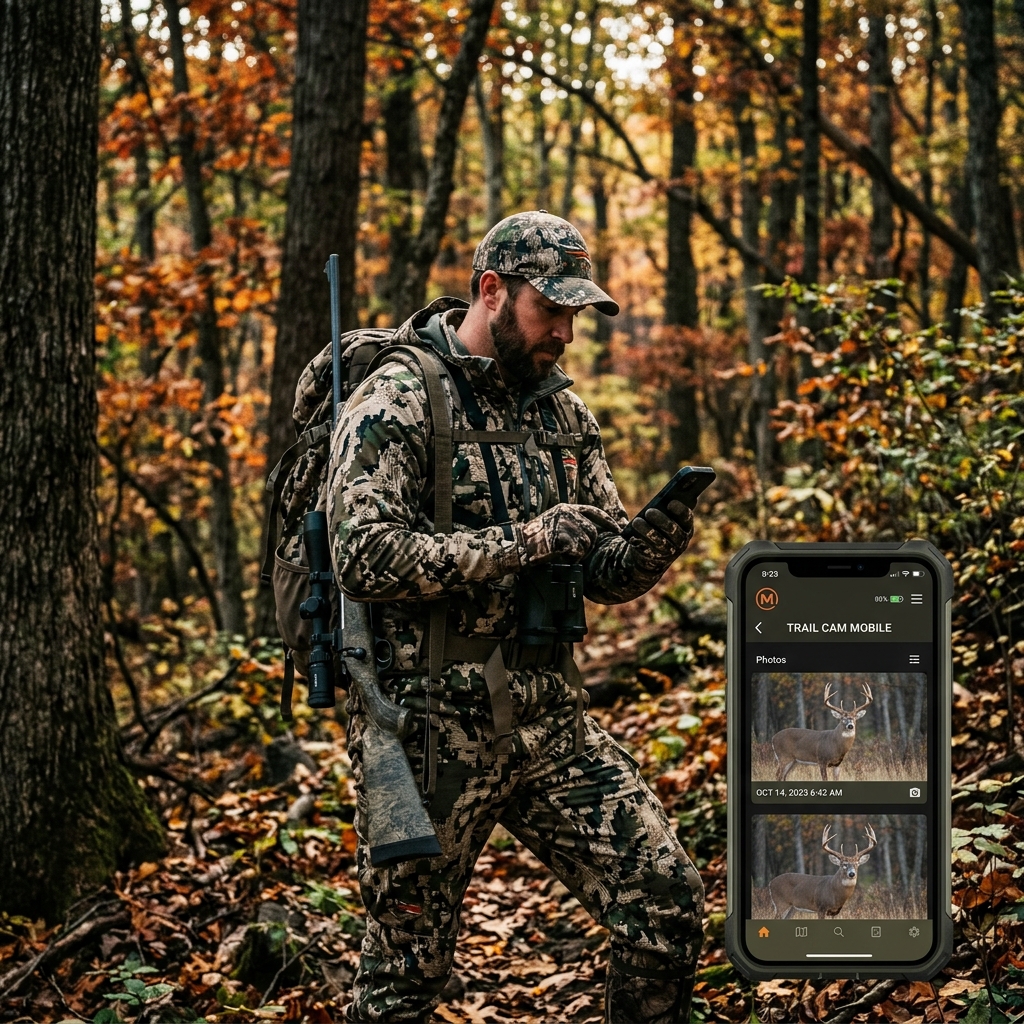
The Ethics of Smart Hunting: Navigating AI, Cellular Apps, and Fair Chase
Balance AI, cellular cameras, and mapping apps with fair chase. Use tech to cut intrusion and improve conservation—not to replace woodsmanship or risk safety.
Hunting is still a physical contract with wild ground. It is also living through the fastest gear and software shift in its history. Cellular cameras, mapping apps, and AI photo sorting can make you a better student of deer—or a remote trigger-puller who never learns why a buck used a saddle.
Fair chase is the line. Technology should shrink your footprint and sharpen your judgment, not delete the craft.
Fair Chase in a Connected Woods
Fair chase traditionally means the animal retains a reasonable chance to detect and escape the hunter using its senses. Tools that remove all uncertainty—or turn hunting into a live video game—strain that definition.
Ask of every new gadget:
- Does this reduce unnecessary intrusion into bedding cover?
- Does it teach me something I can verify on dirt?
- Or does it simply outsource the hunt to an algorithm?
Laws lag culture. Even when a tool is legal, community standards and personal ethics still apply. Know your state rules on drones, live-view cameras during season, and electronic calls.
The Cheat-Code Trap vs Real Skill
Letting an app pick Saturday’s tree based only on weather icons—without reading mast, tracks, or topography—hollows out the reward. You did not hunt a deer; software suggested a pin and you occupied it.
Better blend:
- Use forecasts and historical camera data to form a hypothesis
- Confirm with boots: droppings, rubs, browsed twigs, wind
- Hunt the hypothesis, then update it when the woods disagree
Woodsmanship remains the product. Data is the notebook.
Cellular Cameras as an Ethical Tool
Before cellular cameras, many hunters invaded sanctuaries weekly to pull SD cards. That boot traffic educates mature bucks.
Remote monitoring can be the more ethical path when it:
- Cuts midweek walk-throughs in sensitive cover
- Lets deer keep daylight patterns longer
- Helps you inventory age structure instead of guessing
Use that inventory to pass young bucks and focus harvest where management goals call for it. Practical setup guidance lives in cellular trail cameras for deer hunting and trail camera placement for the rut.
AI for Conservation, Not Shortcuts
Sorting tens of thousands of images by hand is how patterns get missed. AI age-class and identity tools can help hunters and managers:
- Track individual bucks year over year
- Estimate buck:doe ratios more honestly
- Time removals toward mature animals when that is the property goal
That is conservation math, not a magic “kill now” button. Pair digital age estimates with field judgment and local biology—see biology of whitetail antler growth and how to score a whitetail buck.
Drones, Live Views, and Bright Lines
Many jurisdictions restrict drone use for hunting or locating animals in season. Even where gray areas exist, chasing deer with aircraft-style recon fails most fair-chase tests.
Live cellular video that turns a hunt into remote surveillance of a specific animal in real time raises similar concerns. Inventory and pattern from a distance; make the hunt with your body on the wind.
If you care about where the culture is headed, read the broader discussion in the future of smart hunting.
Digital Dependency Is a Safety Ethic
Ethics include coming home. Phone maps fail in cold and low battery. Hunters get lost in big timber every season because the screen went black.
Non-negotiables:
- Paper map and magnetic compass in the pack
- Spare power bank kept warm
- Shared hunt plan with a human who knows when to call for help
- Satellite messenger in true remote country
Same redundancy mindset used in mountain whitetail hunting tactics.
Data Security and Poaching Risk
Pins and camera links are valuable. Leaked waypoints can invite trespass and poaching.
Practices:
- Use strong account security on mapping and camera platforms
- Avoid posting real-time locations and fresh shed-to-stand beta online
- Limit who can see shared properties
- Treat sanctuary coordinates like house keys
Respect for the animal includes protecting it from people who will not.
Mentoring the Next Generation With Tech
Hand a new hunter a phone map without teaching compass basics and you create dependency. Hand them both and you create resilience. When mentoring youth or first-year adults, require a paper-map exercise before the first sit. Use cameras to teach age structure and patience—passing a young buck because the inventory says he is 2.5 is a conservation lesson screens can reinforce.
Also teach digital restraint: no live locations on social media, no “got him on cam this morning, sitting him tonight” posts, and no trespass justified by a public pin that looked close enough. Ethics is culture, and culture starts with what experienced hunters normalize in group chats.
Community Standards Beyond Minimum Law
Law is the floor. Club rules, lease agreements, and fair-chase statements from hunting orgs often set a higher bar—no drones in season, limited cams per acre, no shooting over bait where banned, no road hunting with live map pings. If your private ground allows a tool that your public peers consider unsporting, ask whether the harvest will feel earned. That subjective test still matters in a sport built on respect.
Write your own simple tech code for the season and stick to it when a target buck finally daylighted on camera. Predetermining limits is easier than deciding in the adrenaline of a Tuesday evening notification.
Pressure Equity on Public Land
Technology amplifies pressure when hundreds of hunters watch the same cellular beta and flood a ridge. Ethical public-land use means not turning every daylight buck into a group-chat pin drop. Keep high-resolution intel close. Share general knowledge—how to read oaks, how to play thermals—more freely than exact coordinates of a living animal.
If you run many cameras, space them and pull them when a spot gets hot enough that your presence alone will ruin it. Inventory is not the same as occupation. The fair-chase spirit includes leaving room for the deer to be wild and for other hunters to find their own stories.
Private land managers can set written tech policies for guests: camera limits, no drones, no real-time sharing off-property. Clear rules prevent camp arguments on Friday night when a big buck hits a cam.
Remember that conservation success is measured in herd health and respectful culture, not only in inches of antler on the wall. Tools that help you pass young bucks and reduce sanctuary invasions are aligned with that goal; tools that only shorten the path to a trigger pull need harder scrutiny.
When to Power Down
There is ethical value in unplugged hunts. Choose some sits with phone in airplane mode after you reach the stand. Navigate in with map tools; hunt with eyes and ears. If you cannot enjoy a blank morning without refreshing cameras, the tool is using you.
Set personal rules such as: no camera checks after 2 p.m. on hunt days, no relocating stands based on a single noon photo, and no trespass “just to move a cam.” Write them down. Fair chase needs intentional friction in an age of frictionless data.
Technology should widen your understanding of habitat and behavior. When it only widens your ability to occupy every hot pin on the map, scale back for the sake of the animals and the culture you want to hand down.
Frequently Asked Questions
Is using onX or HuntStand unethical?
No. Digital maps are modern topos. Unethical is ignoring laws, trespassing, or refusing to learn the land because a pin exists.
Are cellular cameras fair chase?
Generally yes when used for scouting and inventory, especially if they reduce intrusion. Follow local rules on viewing during legal shooting hours if your state addresses it.
Does AI age scoring replace glassing and judgment?
No. It is a sorting aid. Confirm with body characteristics, behavior, and—when harvested—jaw age if you manage seriously.
Should I share camera pics of target bucks publicly?
Sharing after the season or without locations is usually fine. Live pins and “sitting him tonight” posts create pressure and ethical problems.
What is the simplest ethics test for new tech?
If the tool makes you less curious about tracks, wind, and habitat, it is hurting your hunting. If it makes you invade less and understand more, keep it.
Use technology as a clearer window into the woods, not a crutch that replaces effort. Minimize intrusion, keep analog backups, and let fair chase remain a feeling you can still explain without a screen.
Turn your trail camera data into scouting intelligence
Wildsnap AI filters noise, recognizes species, and surfaces activity patterns from your own photos.
No credit card
Wildsnap • Open beta
Turn your trail camera data into scouting intelligence
Wildsnap AI filters noise, recognizes species, and surfaces activity patterns from your own photos.
No credit card