
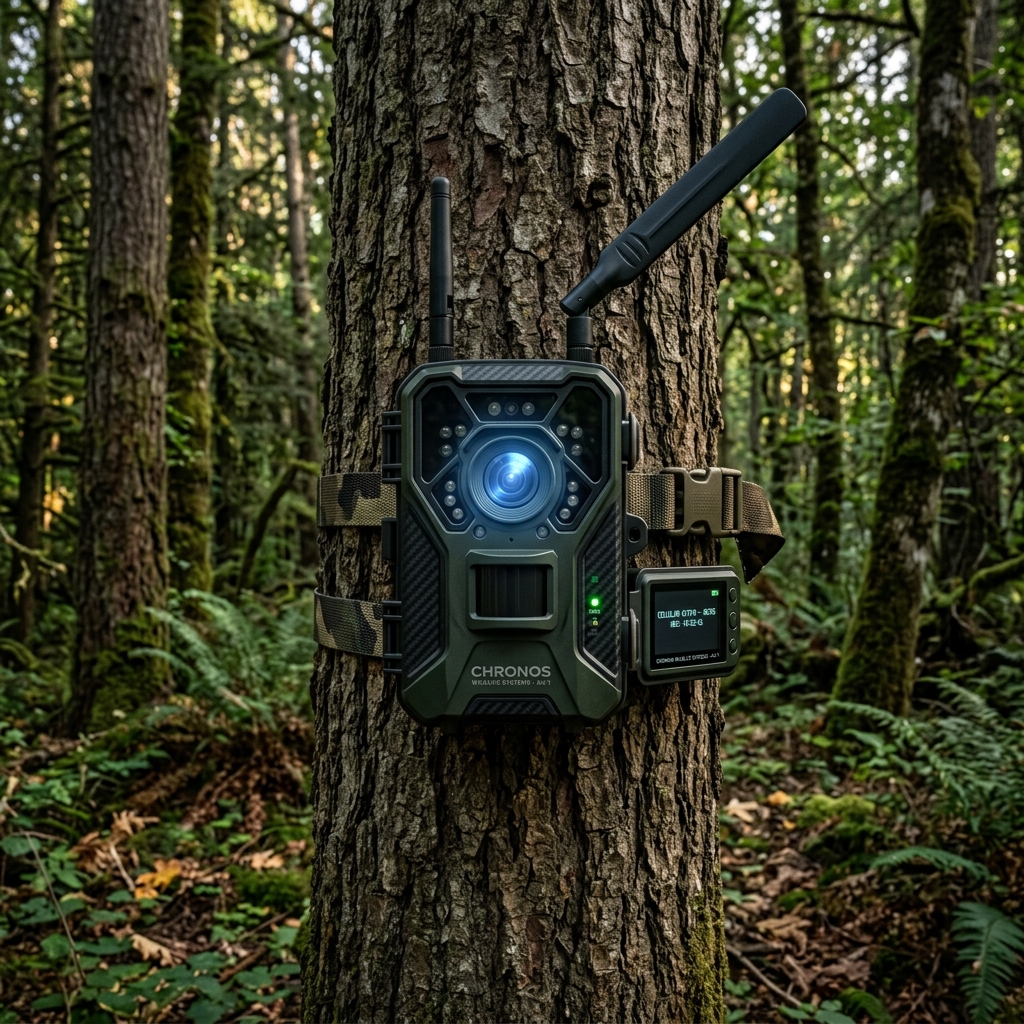
The Future of Smart Hunting: AI, Edge Forensics, and Population Data
AI trail-camera classification, heatmaps, and zero-intrusion scouting are changing hunts—plus ethics, cybersecurity, and what still comes down to wind and mud.
Artificial intelligence has entered the forest. Modern cellular trail cameras are no longer simple infrared triggers that fill cards with blowing grass. Platforms now classify animals, filter noise, and turn thousands of images into patterns you can actually hunt.
The core problem of modern scouting is not capturing photos—it is volume. Ten cameras can generate thousands of images in a week. Successful hunters stop being photo collectors and become analytics strategists: fewer alerts, better correlations, cleaner decisions.
From Motion Triggers to Edge Classification
For years, trail cameras wasted batteries and attention on “ghost triggers”—swaying branches, tall grass, empty frames.
Edge-AI filtering runs classification on the device (or close to it) before useless images clutter your phone. Strong systems identify species (deer vs. raccoon), and increasingly buck vs. doe cues, so your notifications skew toward animals that matter.
What this changes in practice:
- You review dozens of relevant frames instead of thousands of blanks
- Battery and cellular data last longer when junk uploads drop
- Pattern building starts sooner because noise is already reduced
WildSnap-style workflows fit here naturally: AI helps sort deer activity so you spend time on wind, access, and stand timing—not raccoon albums.
Behavioral Heatmaps and Weather Overlays
One photo is an anecdote. Aggregated, classified detections become a trend.
Useful overlays include:
- Time-of-day histograms for target bucks
- Wind direction frequency on daylight events
- Temperature and pressure trends around movement spikes
- Lunar major/minor windows as a secondary layer
When you combine confirmed buck detections with barometric and wind data, micro-movement predictions improve versus gut feel alone. Treat percentages in marketing with skepticism—but the method is sound: correlate, then hunt the correlation.
Pair analytics with field context from white-tailed deer activity and weather and disciplined review habits in managing trail camera data.
Zero-Intrusion Scouting Remains the Real Advantage
AI does not replace access discipline. The biggest win of smart cameras is still staying out of the sanctuary.
Before cellular and cloud review, every SD pull was a scent bomb near bedding. Continuous soaks let you hang in August and leave timber alone until a calculated entry. Classification simply makes that remote soak usable when image counts explode.
Practical rules that still matter:
- Hang once; do not “just check” on weekends
- Hunt patterns, not single afternoon pings
- Silence constant push alerts if they cause impulsive sits
- Delete or archive non-target noise weekly so trends stay visible
For the intrusion argument in plain terms, see cellular trail cameras for deer hunting.
Conservation Uses Beyond Trophy Photos
Smart hunting’s longer arc is population insight, not only antler size.
Camera networks help land managers and agencies:
- Index fawn recruitment and doe:buck ratios over time
- Detect invasive species such as feral hogs
- Document predator presence relative to fawning cover
- Measure how pressure or habitat work shifts daylight use
Anecdotes become counts. Counts become better habitat and harvest decisions. That is the conservation legacy worth aiming for when you deploy connected cameras.
Ethics of Always-On Intelligence
More data creates sharper ethical questions. Capability is not permission.
Core ethics for smart hunting:
- Do not use tech to violate fair-chase rules in your state
- Do not share live pin drops that enable trespass or poaching
- Do not harass animals with constant intrusion justified by “just one more photo”
- Prefer low-impact soaks over gadget-heavy pressure
A deeper dive lives in ethics of smart hunting. Technology should shrink your footprint, not expand excuses to burn ground.
Cybersecurity and the Connected Forest
Putting the woods online introduces risks hunters did not face with film cameras.
Threats to take seriously:
- Weak default passwords on cameras and apps
- Unencrypted sharing of GPS-tagged images
- Account takeovers that reveal stand and camera locations
- Public social posts that advertise exact trophy locations in real time
Security basics:
- Change default PINs and passwords immediately
- Use unique credentials and app-level lock screens
- Prefer platforms with encrypted transport (SSL/TLS)
- Scrub exact coordinates from public posts
- Limit who can view shared albums
Physical theft still matters too—pair digital hygiene with the mounting tactics in securing trail cameras on public land.
What Will Not Change
Mud, wind, and shot execution still decide outcomes. AI will not:
- Choose the correct blow-off wind for you
- Quiet your entry through crunchy leaves
- Make an unethical shot angle ethical
- Replace reading sign after a cold front
Use smart tools to decide when to enter and where to hang. Use woodsmanship to finish the job.
Building a Practical Smart-Hunting Stack
You do not need every gadget. A durable stack looks like this:
| Layer | Tool | Job |
|---|---|---|
| Capture | Cellular cameras on funnels/scrapes | Zero-intrusion detection |
| Filter | Species AI / tagging | Cut noise |
| Correlate | Weather + timestamps | Find kill windows |
| Decide | Notebook or app notes | One-strike hunt plan |
| Protect | Locks, height, passwords | Keep intel yours |
Add e-scouting maps and mobile stands only after the data layer is clean. More hardware without process just creates louder distractions.
Avoiding Alert Fatigue and Bad Decisions
The failure mode of smart hunting is not inaccurate AI—it is impulsive humans. A phone buzz at 3:12 PM does not mean you should leave work and climb a tree at 4:00.
Guardrails that keep data useful:
- Batch-review cameras once in the morning and once at night
- Mute non-deer or non-buck classifications during work hours
- Require three matching daylight events before a strike sit
- Log “false starts” when you hunted a one-off photo and failed
If your app supports species filters, use them aggressively. The goal is fewer, better interrupts—not a second full-time job sorting squirrels.
Data Ownership and Sharing Discipline
Cloud albums are convenient and leaky. Decide who sees what before season starts.
Recommended norms:
- Share live cams only with lease partners who need them
- Delay public social posts until patterns are dead or season ends
- Strip GPS from export images when possible
- Revoke old app logins on phones you no longer use
Club properties should write a one-page camera policy: who may hang units, how long soaks last, and whether screenshots can leave the group chat. Most “my buck got sniped” stories begin with a casually shared pin.
Where AI Still Struggles
Be honest about limits so you do not overtrust labels:
- Partial bodies and heavy brush confuse antler scoring claims
- Night IR images misclassify sex more often than daylight color shots
- Rare species and odd angles create false confidence
- Weather APIs near your ridge can differ from valley reality
Treat AI as a first-pass sorter. Confirm target bucks with your own eyes on the stills before you rewrite a hunt plan. Woodsmanship remains the quality-control layer.
Training Your Own Eye Alongside the Model
Even with strong classification, spend time manually reviewing a sample of “deer” and “buck” tags each week. You will learn your property’s false positives—cattle on fence lines, hunters in leafy camo, bouncing turkey tails—and you will catch antlered bucks the model under-labeled.
Keep a personal ID catalog:
- Target bucks with unofficial names and ear/antler notes
- First and last daylight dates
- Preferred wind list
- Funnel IDs on your map
AI accelerates sorting; your catalog turns sorting into strategy. That hybrid workflow is the practical future of smart hunting on a real lease or public tract—not a fantasy of fully automated kill plots.
Frequently Asked Questions
Does AI replace traditional scouting? No. It reduces noise and helps confirm patterns. Boots and wind sense still matter.
Should I turn on every camera notification? Usually no. Batch review once or twice daily to avoid impulsive, pattern-breaking sits.
Is edge AI different from cloud AI? Edge filtering happens on or near the camera before upload; cloud AI sorts after images arrive. Both can help; edge saves data and battery when it works well.
Can smart cameras help conservation? Yes—recruitment indexes, invasive detection, and habitat response are clearer with structured photo data.
What is the biggest risk of connected cameras? Leaked locations—via weak accounts, public posts, or physical theft—exposing animals and gear.
Harness the data, protect the silence. The future of hunting is partly digital, but results are still written in mud, wind, and restraint.
Turn your trail camera data into scouting intelligence
Wildsnap AI filters noise, recognizes species, and surfaces activity patterns from your own photos.
No credit card
Wildsnap • Open beta
Turn your trail camera data into scouting intelligence
Wildsnap AI filters noise, recognizes species, and surfaces activity patterns from your own photos.
No credit card