
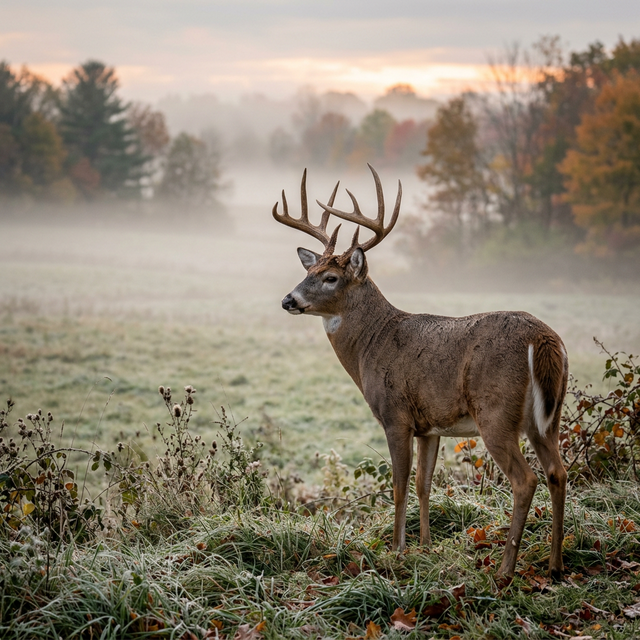
Hunting in Unseasonably Warm Weather: Beating the Heat Wave
When November hits 80°F, deer go nocturnal. Hunt north slopes, shaded water, and bedding edges—and cool meat fast to stop bone sour in the heat.
Nothing kills hunter morale like a forecast that swaps frost for an 80°F rut-week heat wave. Mosquitoes show up, thermals go weird, and daylight movement collapses. Deer do not vanish—they shift to cooler microclimates and move mostly after dark.
If you sit the same open field edges you hunt on a 30°F morning, you will glass empty ag. Change the strike zone: shaded water, north slopes, dark conifers, and bedding-edge intercepts. Weather still drives movement—see deer activity and weather—and meat care gets unforgiving, so know spoilage limits before you shoot. Thermals behave differently in heat too; review understanding thermals before you hang a stand on a south-facing ridge that worked last week.
Biology: Why Heat Shuts Down Daylight Movement
By late October many bucks wear a full winter coat of hollow hair built for cold. Running that coat in humid 75–85°F air is miserable. Deer dump heat by limiting daytime travel and concentrating activity in the coolest overnight hours—often 11:00 PM–3:00 AM.
Expect:
- Minimal open-field daylight feeding
- Short evening movements near cover
- Bedding in the coldest available shade
- Rut behavior that still happens, but with tighter geography and more night breeding
You are hunting survival comfort as much as romance. A buck that would cruise a half-mile of timber edge on a crisp morning may travel only 80 yards from bed to water when the thermometer spikes.
Where Deer Hide When It Is Hot
Go to the lowest ambient temperatures on the property.
Shaded micro-water
Skip big sunbaked ponds when possible. Focus on:
- Timbered creek bends
- Mudholes in thick cover
- Beaver slough edges with canopy
- Spring seeps
A panting rutting buck drinks more. Midday or last-light visits to secluded water are high-percentage sits in heat waves. If your property lacks water, hunt the coolest shaded browse within 100 yards of where deer bed— they will not walk far in brutal heat.
North-facing slopes
In autumn the sun tracks south. Steep north faces get less radiant load. South slopes can feel 10–15°F hotter in the sun while the north timber sits in the 60s. Hang on the cool side.
Deep conifer shade
Hemlock, white pine, and cedar canopies block sun like AC for the forest floor. Deer bed and loaf there in heat—the same cover they use as winter thermal shelter for the opposite reason. Edge tactics from cedar thickets apply; just expect even less midday roaming unless water is adjacent.
Strategy: Bedding-Edge Ambush
Open food plots go nocturnal. Adjust:
- Push stands deep into timber near bedding—as close as wind safely allows.
- Hunt the 15–30 minute window when a buck stands to stretch and feed the first browse in cooling evening shade.
- Prefer all-day sits only if you have shade, hydration, and a bed-to-water trail; otherwise focus evenings and very early mornings.
- Use observation sits to confirm which north hollow actually holds deer before burning your best wind.
Mobile saddle hunters shine here: relocate when cameras show a shift to a new seep. A fixed stand on a baking oak flat is a heat-wave anchor; mobility is the antidote.
Wind, Thermals, and Heat
Warm days strengthen thermal chaos. Rising midday air pulls scent uphill; evening cool-down dumps scent into hollows. On steep ground:
- Morning: be careful below beds when thermals lift
- Evening: watch scent draining into the creek where you hoped to sit
Powder or milkweed every 15 minutes. Heat waves punish lazy wind checks. A stand that was safe at dawn can become a scent disaster by 10:00 AM when thermals flip—leave rather than hope.
Scent Control and Insects in Warm Novembers
Heat revives ticks and mosquitoes that cold snaps normally kill. Treat boots and pants with permethrin before the season and carry repellent in your pack. Sweat pumps human odor; keep a spare base layer sealed in a bag and swap at the truck if you are running an evening-after-morning double sit.
Scent-control routines matter less than stand placement in heat, but do not add careless human odor to a bedding-edge ambush where deer already move cautiously. Approach from the downwind side of the creek, not across the open flat.
Hunter Comfort and Safety
You cannot hunt well if you are cooked.
- Light, breathable layers; swap sweat-soaked base layers if needed
- Electrolytes, not only water
- Tick and mosquito control—warm Novembers revive insects
- Shade for the sit; reflective seats get brutal
- Know heat-illness signs; leave if you are dizzy or stop sweating
A dead deer helps no one if the hunter is in an ambulance. Schedule recovery help before the hunt if you are hunting solo in 80°F—field dressing and dragging in heat is a two-person job when possible.
Meat Care: Hours, Not Days
A 200-pound deer holds huge core heat. Combined with 75°F air, bacteria bloom fast. Bone sour around large leg bones can start within hours.
Protocol:
- Recover immediately—do not “let him lay overnight” in a heat wave.
- Field dress ASAP to dump cavity heat.
- Get to ice: pack the cavity with ice bags at the truck.
- Skin and quarter into coolers or a fridge within about 4 hours when temps are in the 70s+.
- Keep quarters out of sealed plastic without ice—heat incubates.
If the track goes long, call help early. Warm-weather losses are preventable with urgency. Pre-stage a cooler with ice in your vehicle on every warm hunt—you will not regret the melted mess on a slow day.
Trail Cameras and Pattern Shifts in Heat
Cameras on open fields will show mostly night photos during a heat wave. Move them to:
- Shaded water edges
- Trails between bedding and the nearest browse
- North-slope funnels
Compare timestamps before and after the front arrives. When deer shift from 2:00 AM to 6:30 PM overnight, your stand map should shift with them—not next weekend.
Rut Reality Check in the 80s
Bucks still search does, but daylight cruising shrinks. Hunt:
- Doe bedding fringes in cool timber
- Water between bedding pockets
- Short funnels that connect shade to shade
Save the wide oak-flat observation sits for the next cold front. When the break finally arrives, pressure and fresh scrapes often explode—be rested enough to capitalize. Many hunters burn out during the heat and miss the first productive morning after the front.
The Post-Front Playbook
When the forecast finally shows 30°F and a northwest wind:
- Have stands pre-hung on funnels you identified during the slow week
- Hunt the first two mornings aggressively—movement often spikes hard
- Refresh mock scrapes or scent if you use them; bucks revisit after days of lethargy
- Shift cameras back to field edges to catch renewed daylight cruising
The hunters who mapped shade and water during the misery are ready. The ones who stayed home miss the rebound. Keep a log of which stands produced on which temperature bands—you will hunt smarter the next time a November heat wave rolls through.
Frequently Asked Questions
Is it even worth hunting when highs are 80°F in November? Yes, if you adjust location and expectations. You will see fewer deer than on a 35°F west wind—but bedding-edge and water sits still produce.
Should I hunt mornings or evenings in a heat wave? Evenings near shade-to-feed or shade-to-water transitions are usually stronger. Mornings can work if you intercept return routes before heat builds—be done before thermals and temps spike.
Do rattling and calling still work? Softer calling near bedding can help; long aggressive rattling sequences on open ridges are lower odds. Deer conserve energy—do not overcall.
How much ice do I need? For a whole deer in the 70s, plan multiple bags: cavity ice plus cooler ice for quarters. More than you think. Frozen water jugs work if bag ice is scarce.
Will a cold front overnight fix patterns immediately? Often movement jumps on the first cool front after a stifling stretch. Have stands ready; do not spend the front day hanging new sets in prime cover.
Does bowhunting change anything in heat? Recovery windows are tighter and deer move less in shooting light. Pass marginal shots and prioritize stands where you can recover fast and get ice on meat within the hour.
Should I skip hunting altogether during a multi-day heat wave? No—use slow days to map north slopes, water, and bedding edges with cameras and midday scouts. Hunters who relocate stands before the front arrive outproduce those who wait for “normal” weather to resume.
Hunt the coolest shade, sit the bedding edge—not the baking field—and treat every recovery like a race against bacteria. Heat changes the map; it does not end the season.
Know which conditions actually trigger daytime activity
Connect your cameras and see which conditions really trigger movement — not guesswork.
No credit card
Wildsnap • Open beta
Know which conditions actually trigger daytime activity
Connect your cameras and see which conditions really trigger movement — not guesswork.
No credit card