
Early Season Whitetail Tactics: Patterning Velvet Bucks
Pattern early-season velvet bucks with summer glassing, staging areas, and silent entry. Hunt opening week before bachelor groups break and patterns collapse.
Most hunters save vacation for November chaos. Rut bucks run miles and ignore last week’s logic. Early archery—especially the first 7–10 days—offers something rarer: mature bucks on a schedule. Summer scouting that pins bed-to-food lines gives you the highest odds of the year if you strike before patterns rot.
Treat opening week like a perishable product.
Bachelor Groups and Low Testosterone
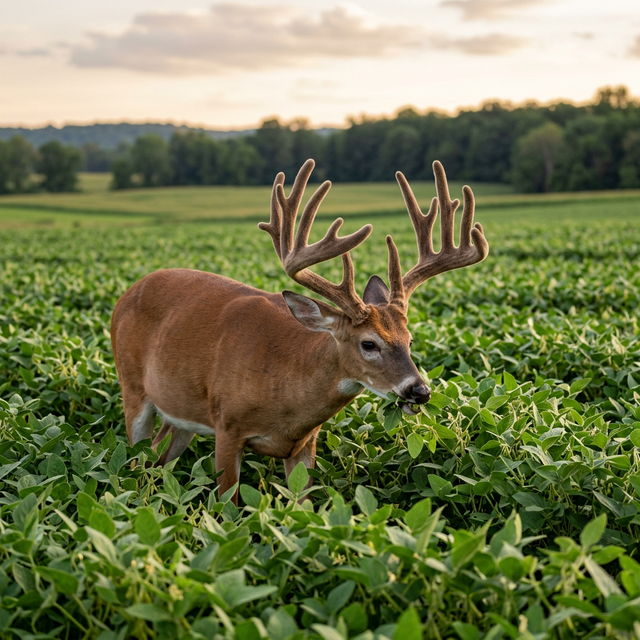
In July and August, testosterone is low. Bucks tolerate each other and feed openly on soybeans, alfalfa, and other greens.
Glassing plan:
- Sit a half-mile to a mile away with a spotting scope
- Log entry points, not just which buck is biggest
- Note wind directions when they appear
- Separate true giants from lookalikes using antler and body clues
Velvet is soft and vascular—bucks avoid shredding it in nasty brush, which is one reason open fields draw them. Deep dive: summer velvet buck scouting.
The Velvet Shed Pivot
Most Midwest bucks shed velvet roughly September 1–10 (timing shifts by region). Testosterone climbs, bachelor groups fracture, and the social, visible buck becomes solitary and nocturnal faster than most hunters expect.
Shelf life rule:
- A pattern locked September 1 may last only 5–7 days after shed
- Hunt him at opener if legal and wind allows
- Do not “save him for October” unless cameras prove the pattern held
Staging Areas Beat Field Edges
The classic mistake is hanging on the bean edge where you glassed all summer. Mature bucks often let does enter first and stage 50–80 yards inside timber until dark.
Staging features:
- Soft mast pockets (persimmons, grapes, locust pods)
- Brushy benches or logging landings
- Inside corners with a single trail flaring to the field
Soft mast tactics: how to hunt persimmons and soft mast. Field-edge nuance: how to hunt standing corn fringes.
Zero-Impact Entry in Dry Leaves
Early woods are leafed, dry, and acoustic. A snapped branch carries forever in still 80°F air.
Access options:
- Creek beds with soft bottoms
- Paths raked to dirt in July
- Cattle lanes or mowed strips that already exist
- Legal bike approaches that cut sweat—e-bikes and stealth access
Never walk the feeding edge to “save steps.” You will bump the daylight buck you came for.
Cameras Without Burning the Pattern
Use observation cams on field entries and cellular units on staging trails. Check as little as possible. If you must pull cards, do it midday in high heat when deer are bedded deep—and still go rarely.
Camera ethics and setup: cellular trail cameras for deer hunting and ethics of smart hunting.
Shot Windows and Warm-Weather Blood Trails
Early season shots often happen in thick green cover at 18–30 yards. Pass on animals buried in brush with no exit angle. Heat accelerates spoilage if recovery drags—know meat spoilage limits and trail with a plan.
Broadhead choice still matters when lungs are covered by leaves—fixed vs mechanical broadheads.
Heat, Hydration, and Ticks
85°F sits in a harness are medical risks, not badges of toughness.
- Carry 2+ liters of water plus electrolytes
- Climb down if dizzy or nauseated
- Permethrin-treat outer layers for ticks
- Nightly tick checks on scalp, beltline, and behind knees
Lyme and alpha-gal are season-ending in the worst way. A velvet buck is not worth either.
Water, Shade Trails, and Hot-Weather Beds
In drought years, isolated water becomes a staging feature almost as strong as soft mast. Creeks, ponds, and shaded seeps near ag edges deserve pins. Bucks often bed on the first thick ridge off the field that offers shade and a wind advantage—not always the deepest timber on the property.
Scout for chewed grape vines, dropped locust pods, and dusty trails with edge tracks pointing fieldward at last light. Hang stands for the wind that dominates your opener forecast, and have a backup tree for the opposite wind so you are not forced into a bad sit because you only prepared one option.
Opening Week Decision Tree
Use a simple decision tree the night before each sit:
- Is the target buck still on camera in daylight within 72 hours? If no, observe, do not invade.
- Is wind perfect for the staging tree? If no, hunt the backup or stay out.
- Can you enter without crossing the feed? If no, pick another day.
- Is a heat advisory in effect? Shorten sits, hydrate, and prioritize evenings only.
Early season punishes stubbornness. The hunters who kill opening week are usually the ones willing to stay home on a bad wind.
Doe Family Groups as Pattern Anchors
Early bucks often shadow or stage near doe family groups heading to fields. Glass which fence corner the does use, then backtrack 60 yards into cover for the buck’s pause point. Killing a random doe on that corner the first evening can educate the whole pattern—including your target buck—so manage harvest carefully if pattern integrity matters more than freezer space that week.
Trail cameras on doe entry trails provide soft intel without hovering on the buck’s exact bed. When does arrive 25 minutes earlier than last week, expect the buck’s staging window to shift too.
Keep stands simple. One primary staging tree and one opposite-wind backup beat five noisy hang-ons. Early season is a scalpel hunt. The less metal you leave shining in the woods, the longer the pattern lasts.
Quiet Clothing and Scent in Heat
Early season sweat destroys scent systems. Hunt in the lightest quiet layers you can, change at the truck, and store hunt clothes in a clean tote. Avoid the classic mistake of hiking in in the same fleece you will sit in for three hours of humidity.
Use scent-free deodorant and skip fragrant truck stops before evening sits. Play wind ruthlessly; heat makes thermals fickle at the field edge. Milkweed tests every 20 minutes are not overkill in September.
If mosquitoes force you into constant movement, you will get picked off. A quality bug net and Thermacell-type tools (where legal and scent-conscious) can keep you still—the real camouflage of early season.
After the Pattern Breaks
When bachelor groups split and cameras go quiet, do not panic-invade bedding. Shift to:
- Fresh soft mast ranking
- Water in drought
- Shade staging closer to cover
- Observation from afar for 2–3 evenings
Often the buck only moved 150 yards to a tighter bed. Find the new staging snack rather than busting the bedroom. If he truly went nocturnal, wait for the first cool front and hunt the same trail family with fresher patience.
Early season tags are won by hunters who update maps weekly, not hunters who marry one August fence corner until November.
Opening week is perishable. If wind, heat, or access is wrong, stay out and protect the pattern. The mature buck you want is far more likely to forgive a missed evening than a noisy, swirling disaster on the staging trail.
Protect staging trails like sanctuaries. One careless midday stroll under the field edge can delete a week of summer glassing and push your buck nocturnal overnight. Patience on bad winds is part of patterning—not a wasted evening.
These details sound small, but stacked together they separate hunters who adapt weekly from hunters who repeat empty sits. Build the habit of updating pins, winds, and food ranks every time you leave the truck.
Frequently Asked Questions
Should I hunt mornings early season?
Evenings usually win because patterns center on food arrival. Mornings can work on trails from field to bed if you can enter without bumping fielded deer—hard on small properties.
How long do bachelor groups stay together after opener?
They often fragment quickly after velvet shed and rising testosterone. Do not assume August glassing groups still exist October 1.
Can I rattle or call early?
Light contact can work near staging as testosterone rises, but overcalling educates. Food and wind beat gadgets in week one.
What if my target buck goes nocturnal?
Shift tighter to cover on staging trails, reduce pressure, or wait for a cool front. Do not invade the bed.
Is early season only for ag country?
No. Timber soft mast and clover plots create the same staging math—just swap beans for fruit and micro-plots (poor man food plots).
Glass from afar, hang on the staging line, and enter like smoke. Early season rewards hunters who treat a pattern as fragile—and hunt it before the woods change the schedule.
Confirm seasonal patterns from your cameras
Find patterns and time your hunts right when your camera history tells you what happened — and when.
No credit card
Wildsnap • Open beta
Confirm seasonal patterns from your cameras
Find patterns and time your hunts right when your camera history tells you what happened — and when.
No credit card